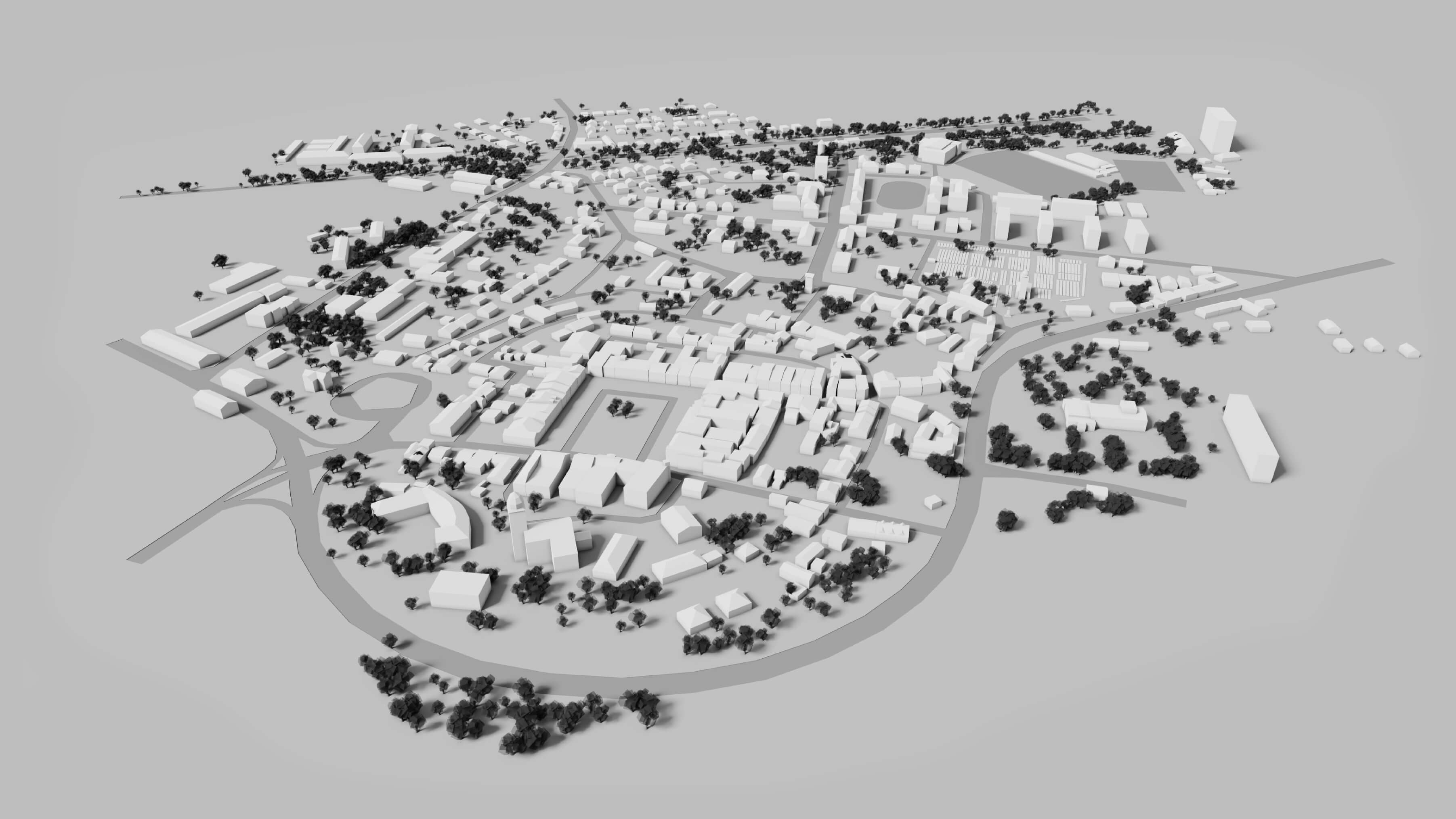
Map of Hlučín

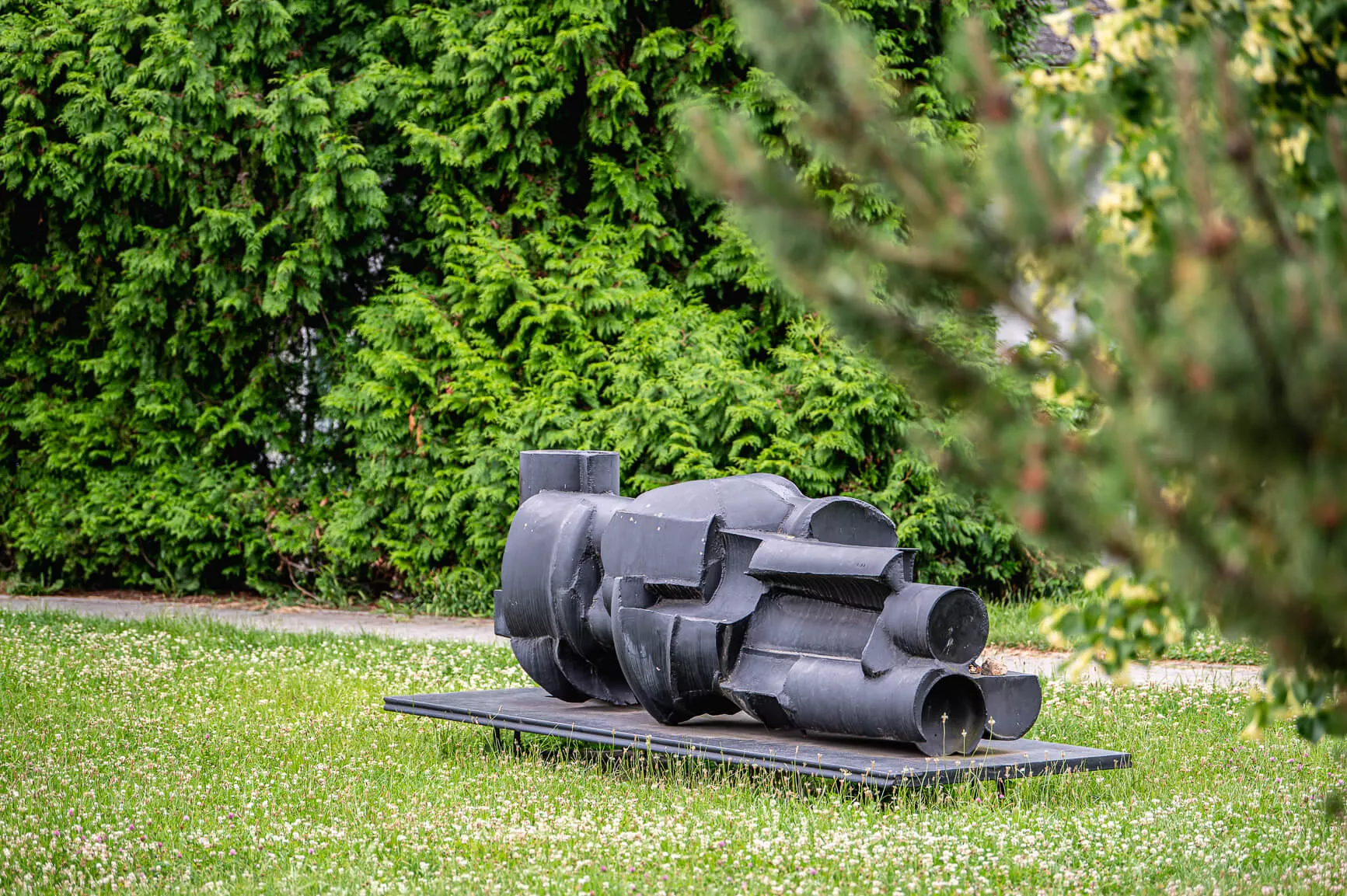
Anthropomorphic sculpture (by the bastion)

The sculpture, created during the International Symposium of Spatial Forms in Ostrava, faced destruction during the period of normalisation.
More

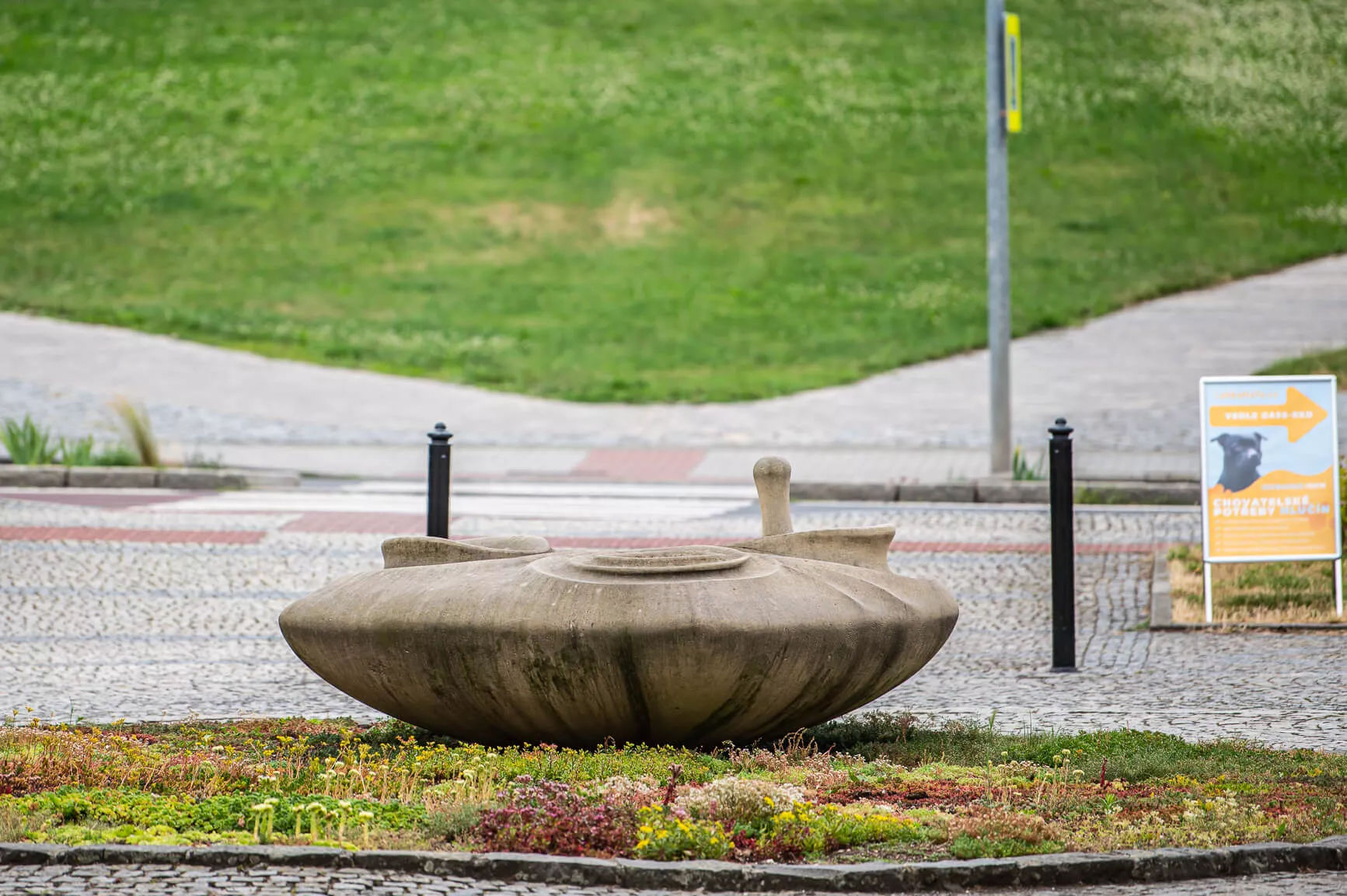
Rain

The first post-revolution sculpture for a public space in Hlučín captures the instant when a raindrop meets the water’s surface.
More

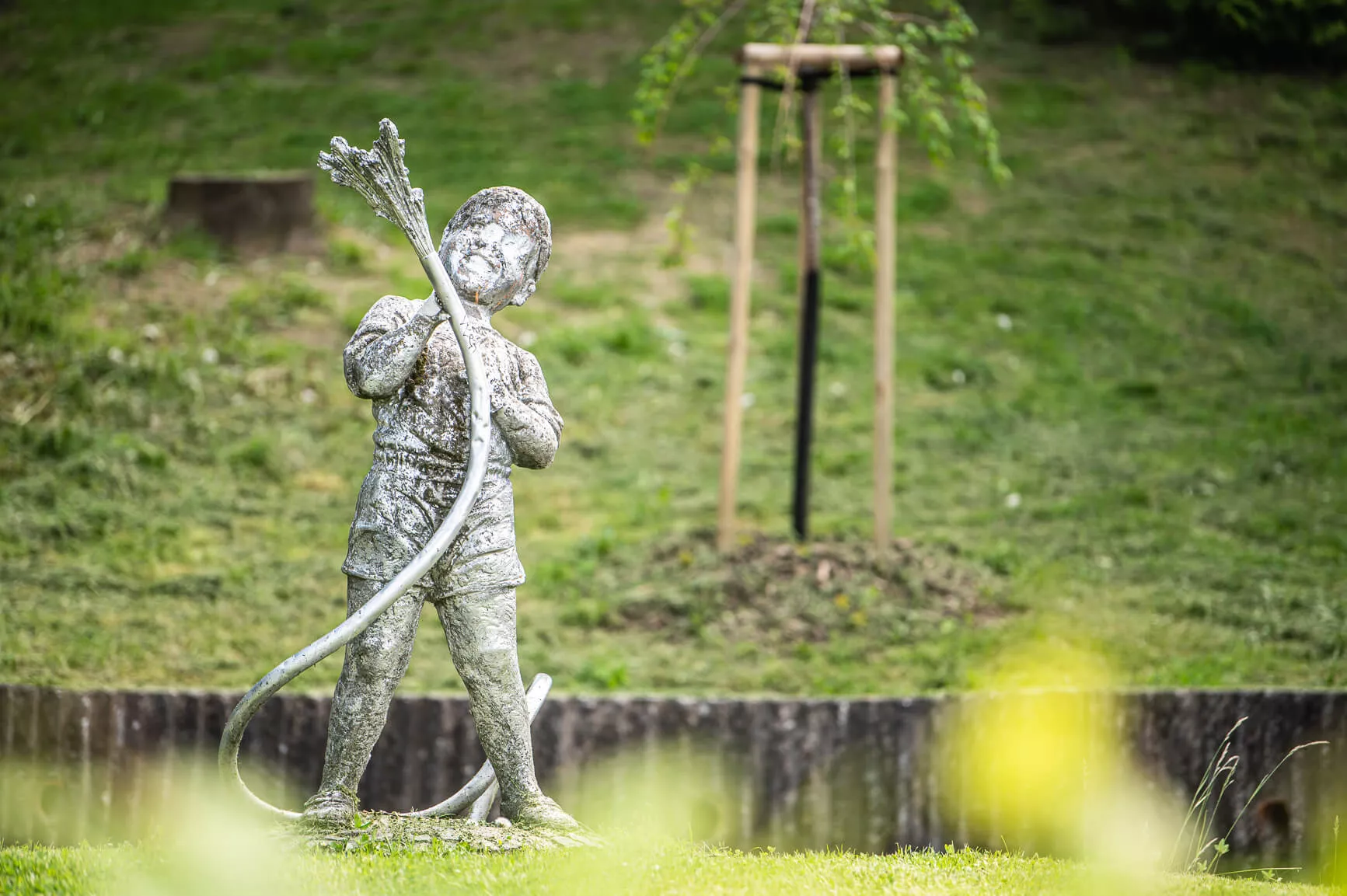
Jakub the Gardener

A playful, optimistic sculpture portraying the artist’s son Jakub.
More

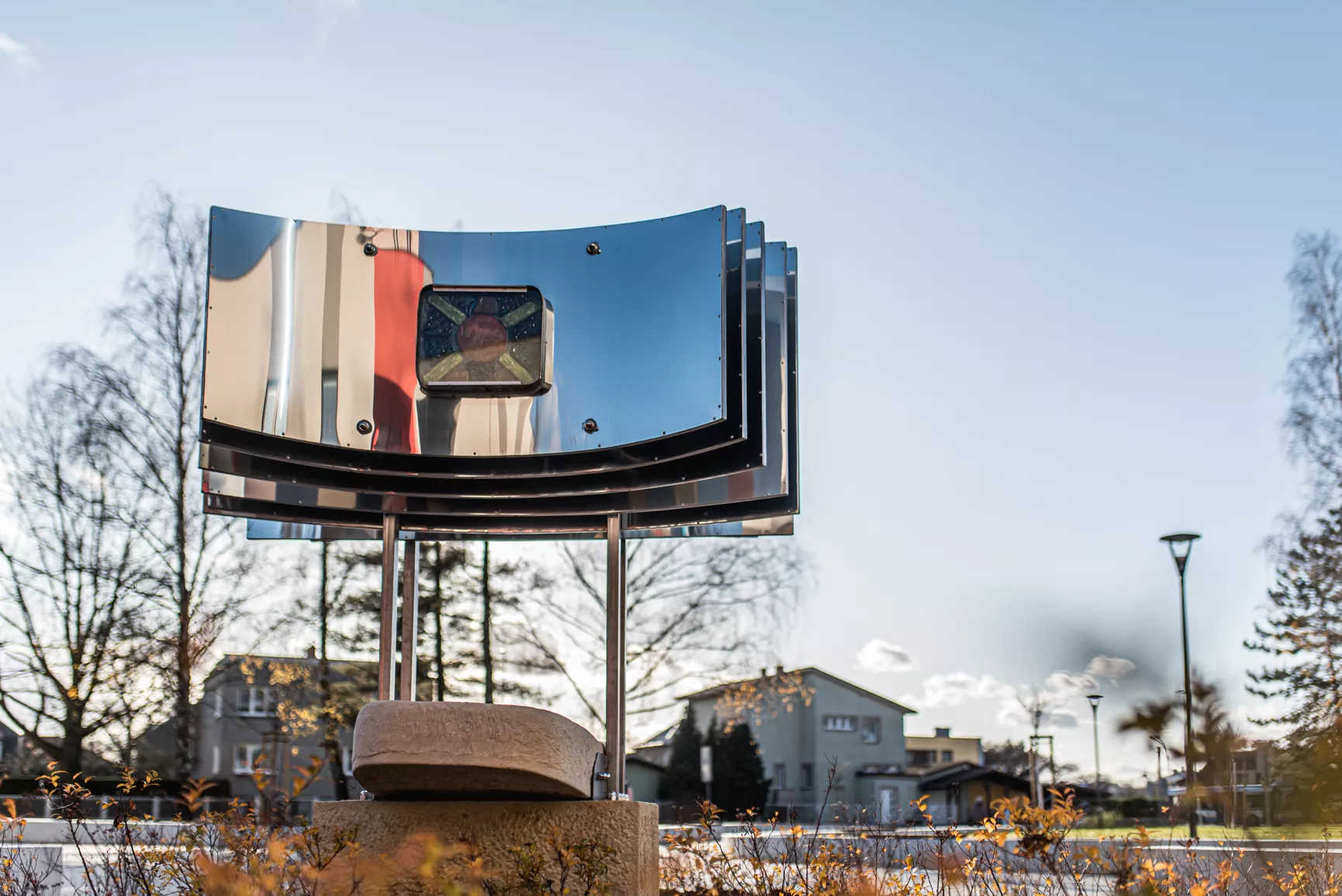
Sculpture on the OKD housing estate

Abstract sculpture of metal lamellae, originally part of a fountain.
More

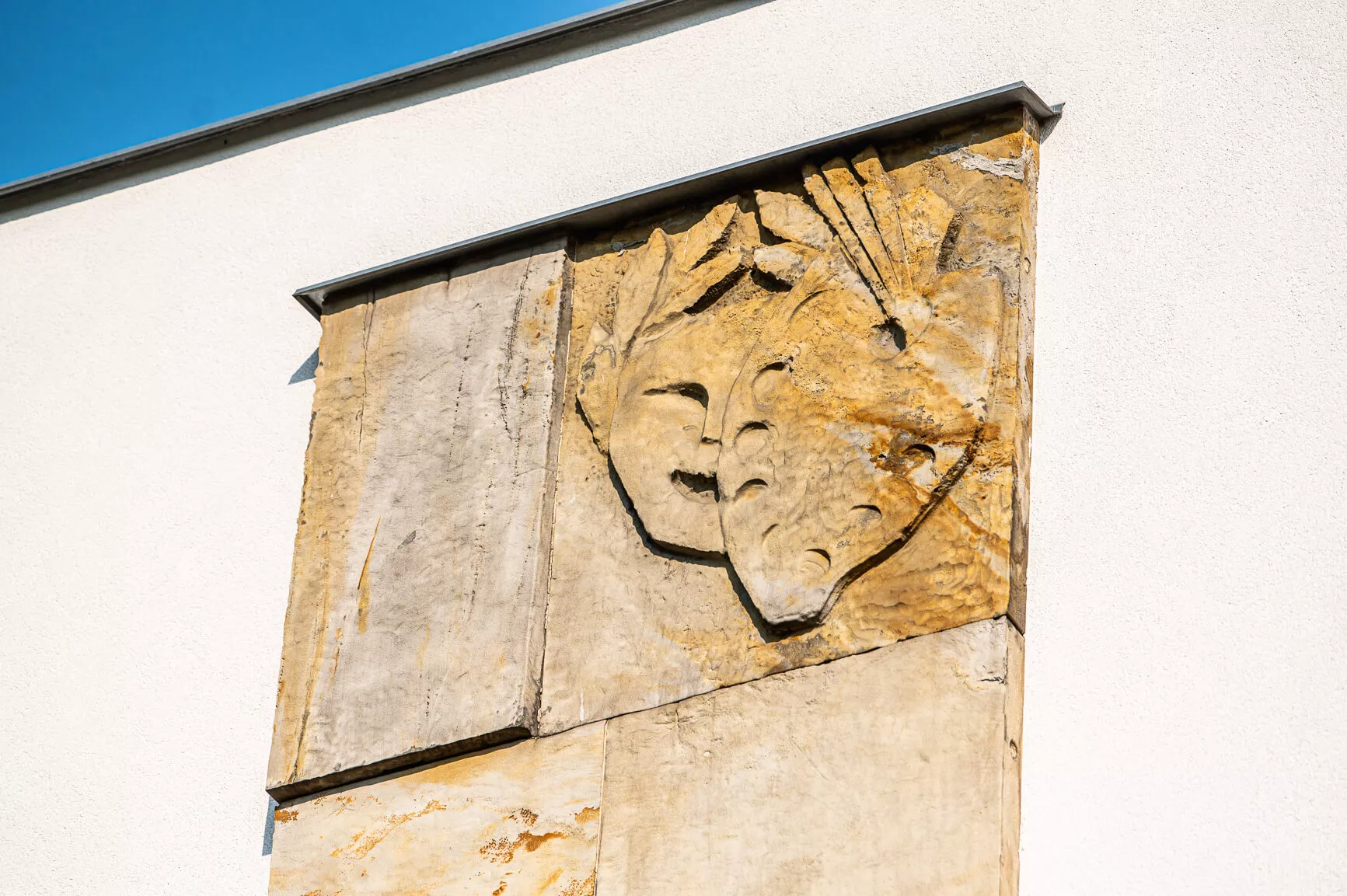
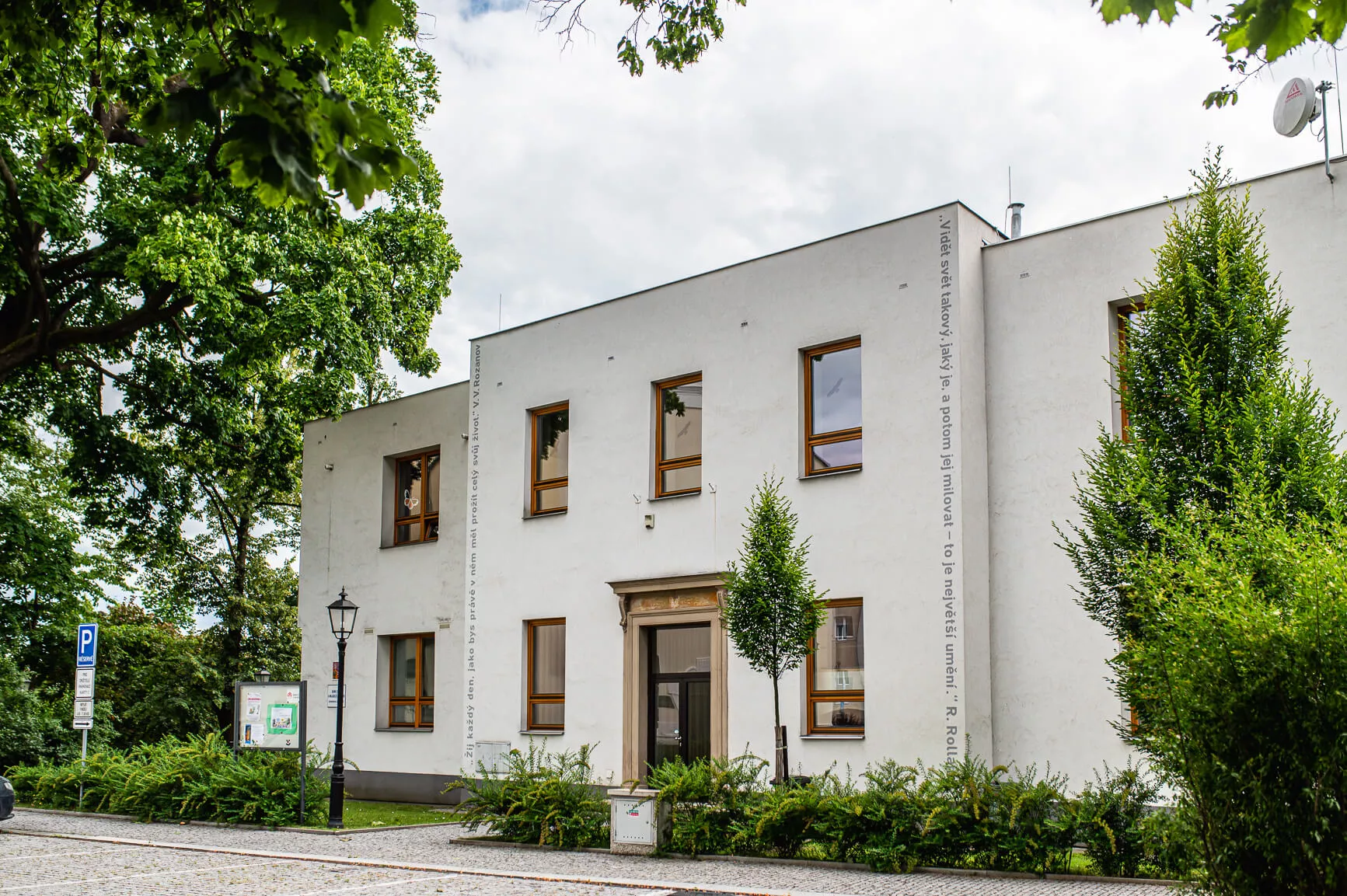
Reliefs on the façade of the Cultural Centre

Reliefs with motifs of labour complemented by verses by Vilém Závada.
More

Statue of Saint John of Nepomuk

A finely executed sculpture, fully restored in 2021.
More

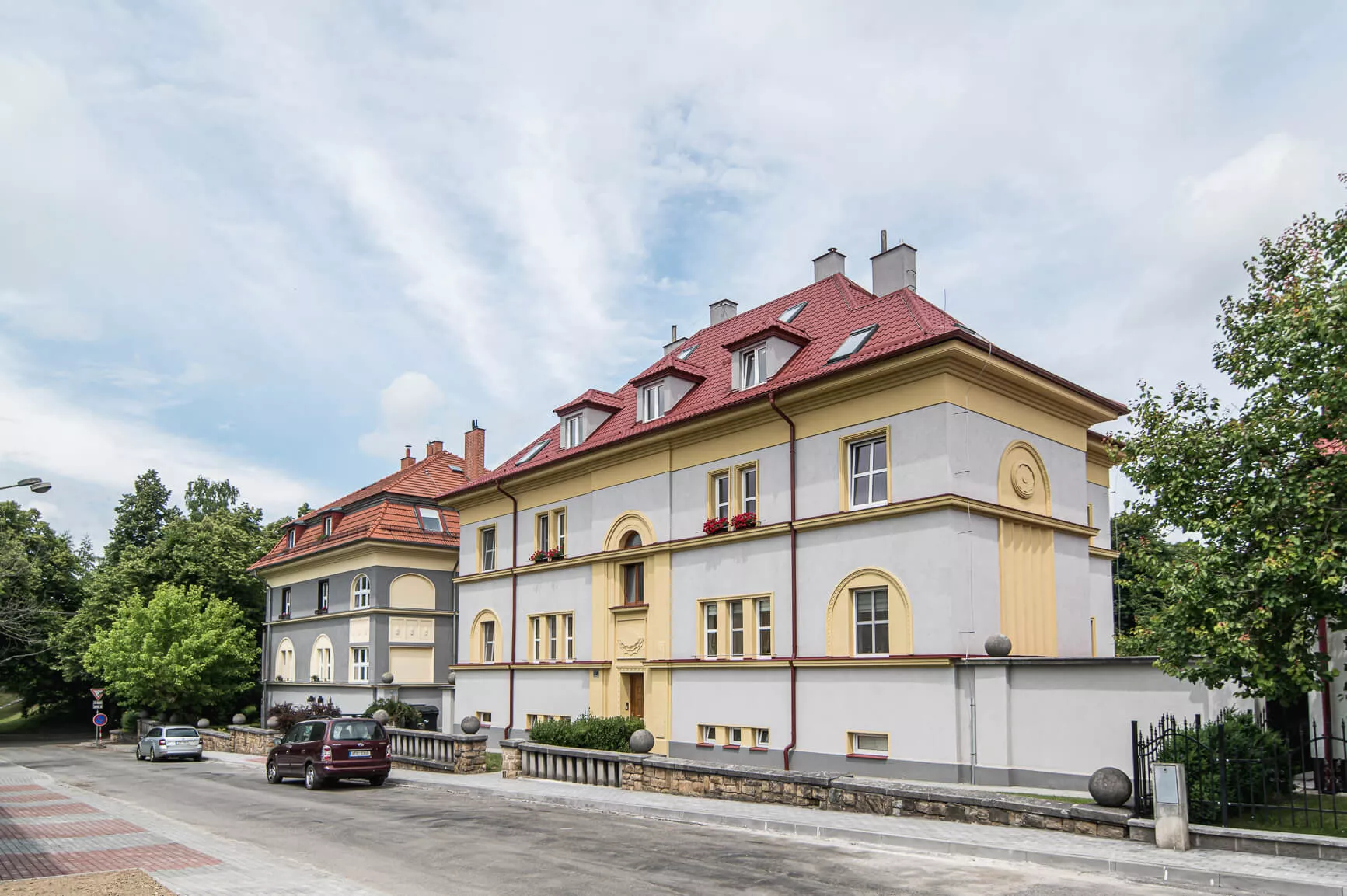
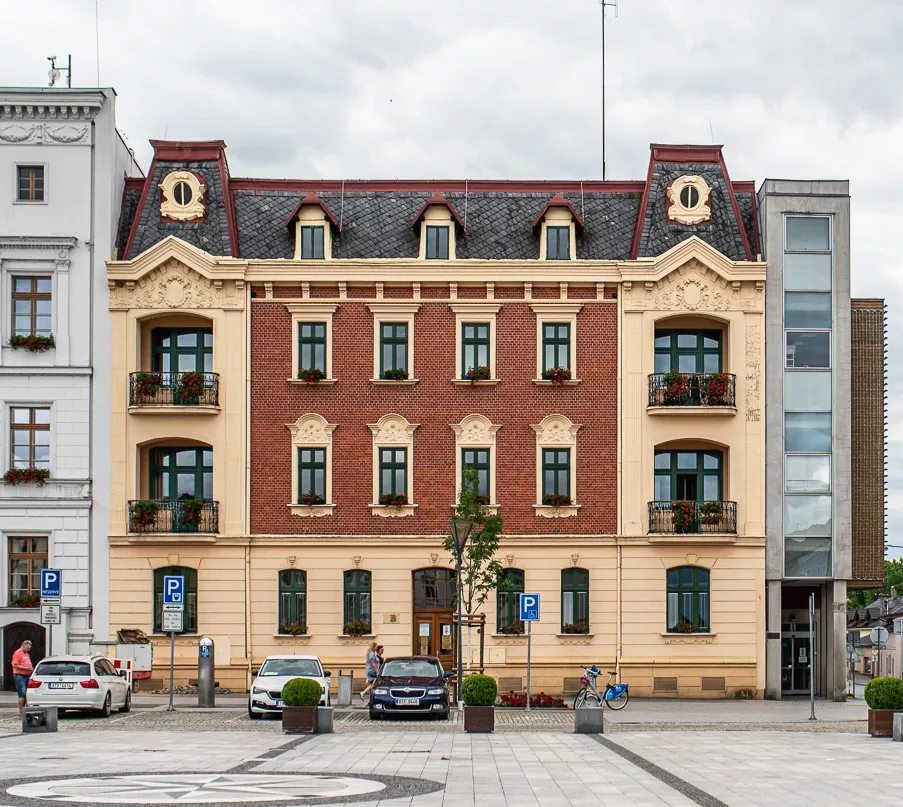
Housing for state employees

A group of three blocks of flats for civil servants and teachers was built following the incorporation of the Hlučín region into Czechoslovakia. The Opava architect Hans Kalitta designed them in a traditionalist Heimatstil style.
More

Czerny House

At the time, this was the most prestigious rental housing in Hlučín. During the interwar years, it hosted the Silesian Trading Cooperative and the Moravian Agrarian and Industrial Bank, and was home to directors of the miners’ hospital.
More

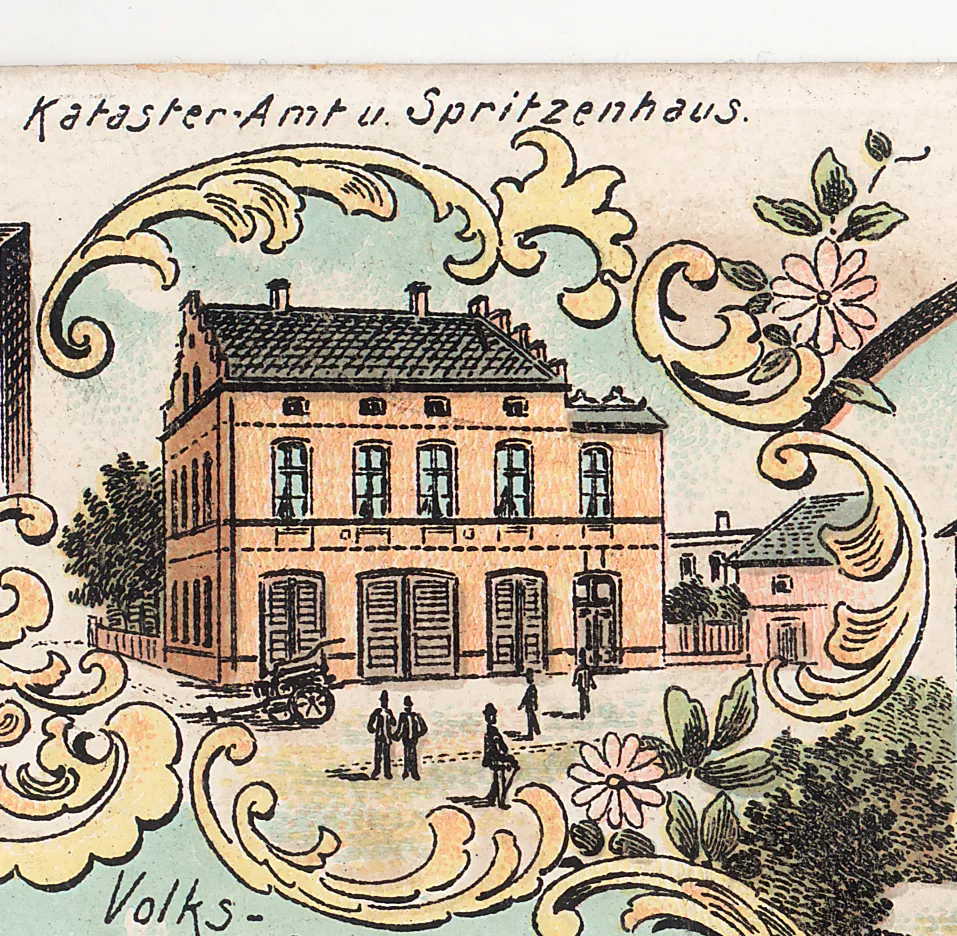
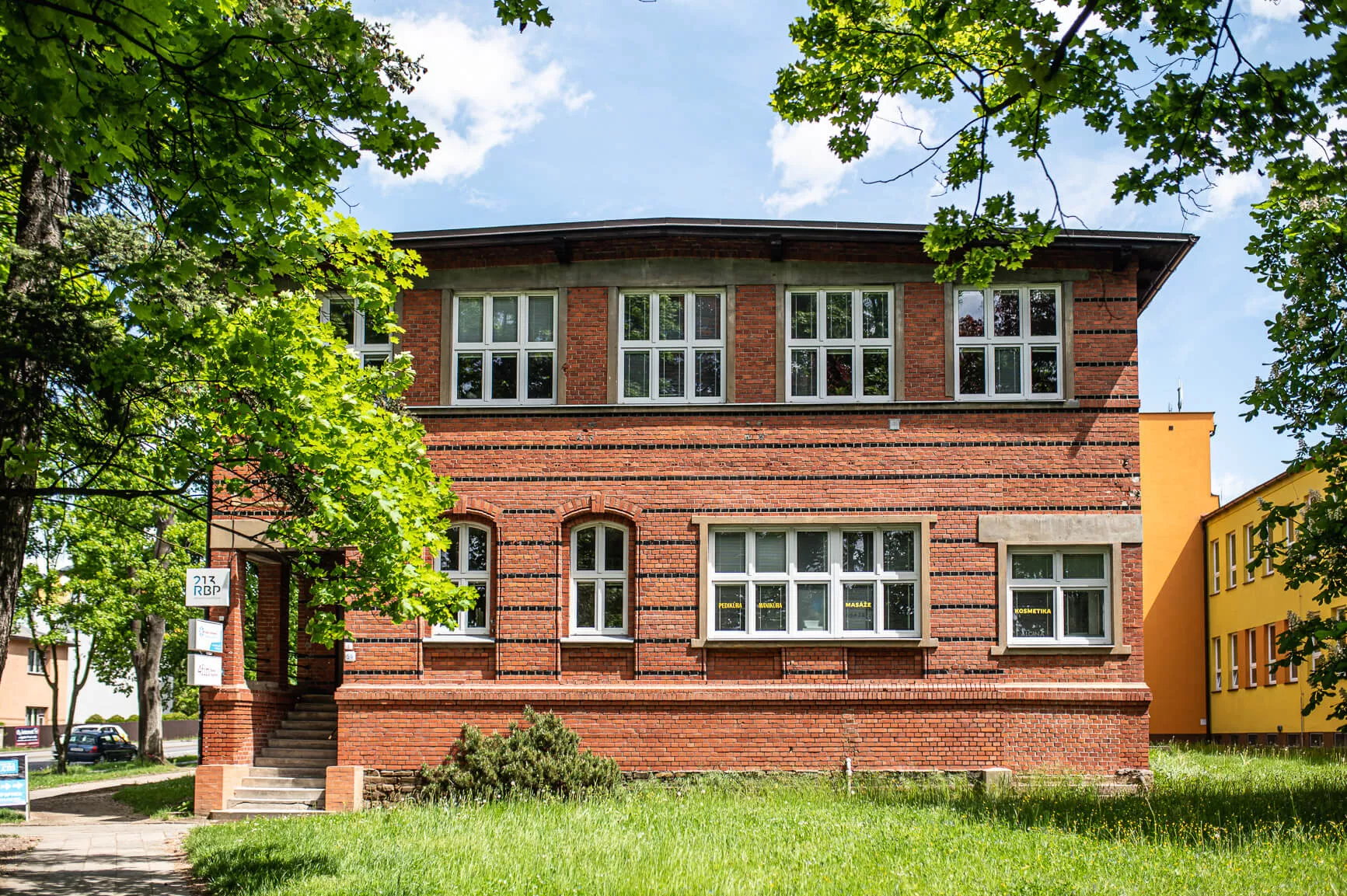
Fire station

Designed by Mayor Stanislav Woytych – an enthusiast and founder of the Hlučín fire brigade – the building is a notable example of Prussian brick architecture. It served as a fire station until the end of the twentieth century.
More

Miners’ hospital

Intended for miners injured in the Anselm and Oskar coal mines in Petřkovice, the hospital was later expanded several times and became part of the future polyclinic complex.
More

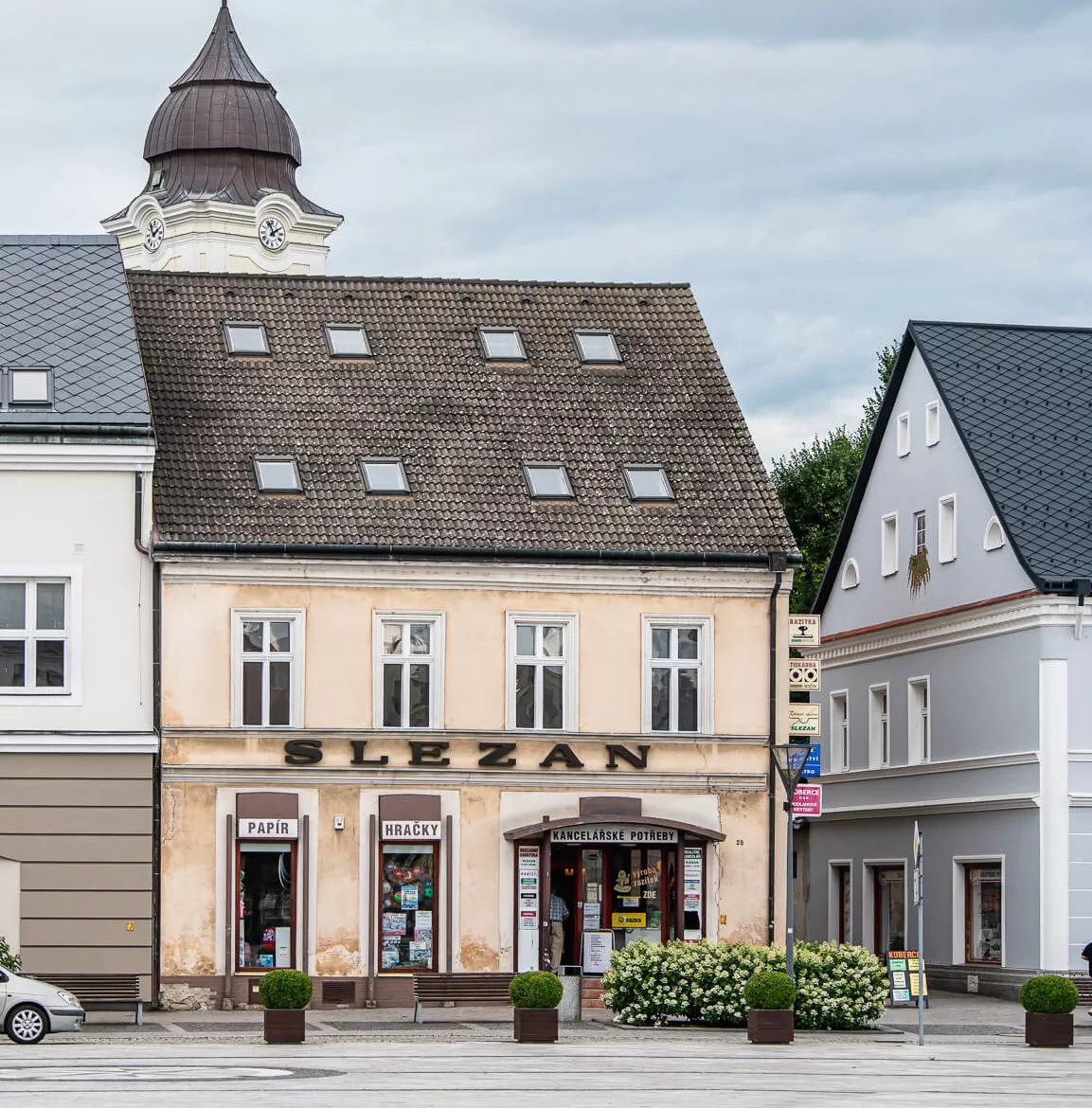
Hotel National

One of three hotels on the square dating from the second half of the nineteenth century, it was among the town’s higher-end establishments. Its original name, the National, was changed to Deutscher Hof in the late 1930s and to Slezan after the war.
More

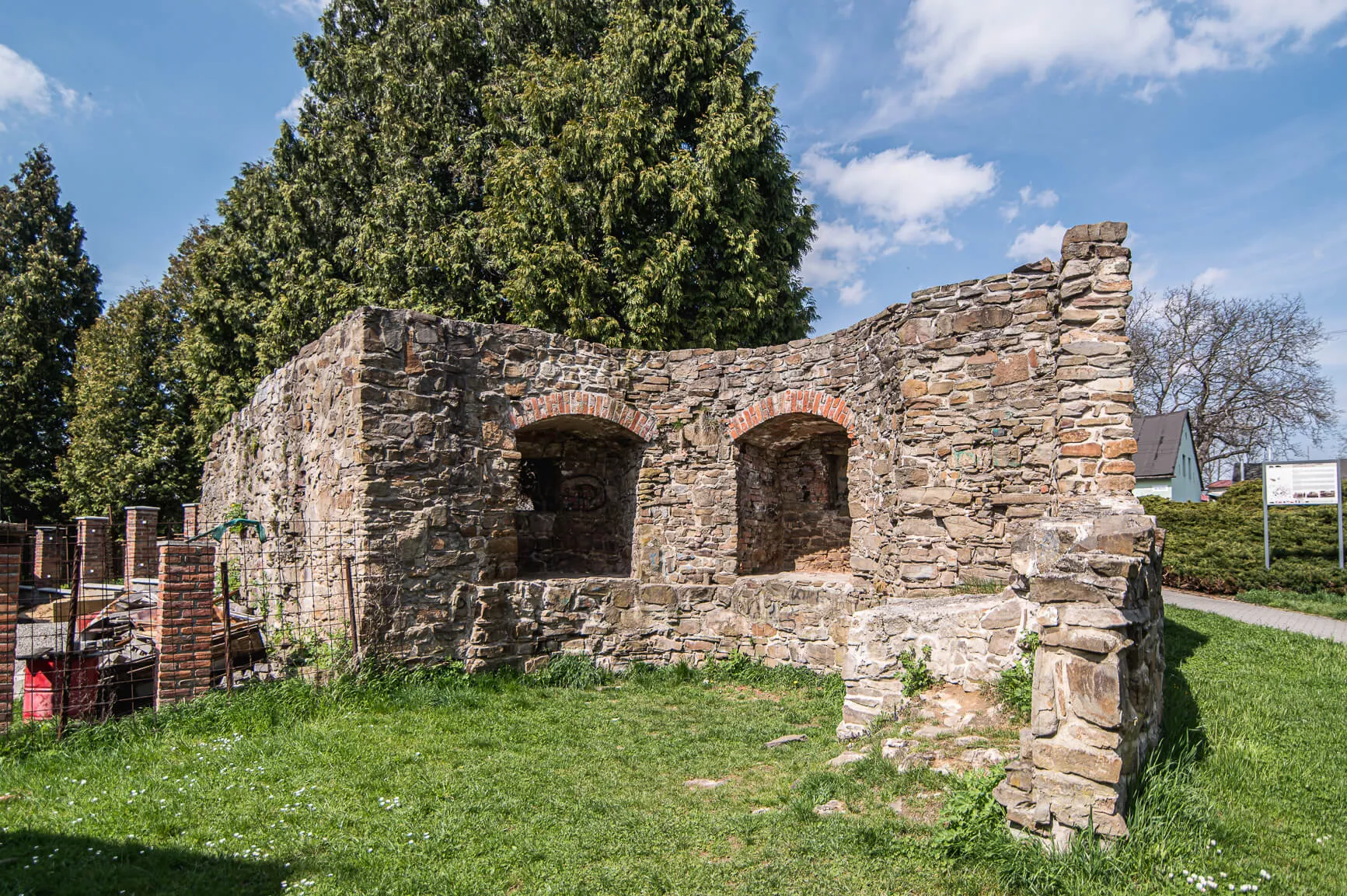
Town fortifications

Despite their fragmentary state, the remains of Hlučín’s walls are the best-preserved relics of town fortifications in Czech Silesia. Relics of seven bastions and parts of the walls survive to this day.
More

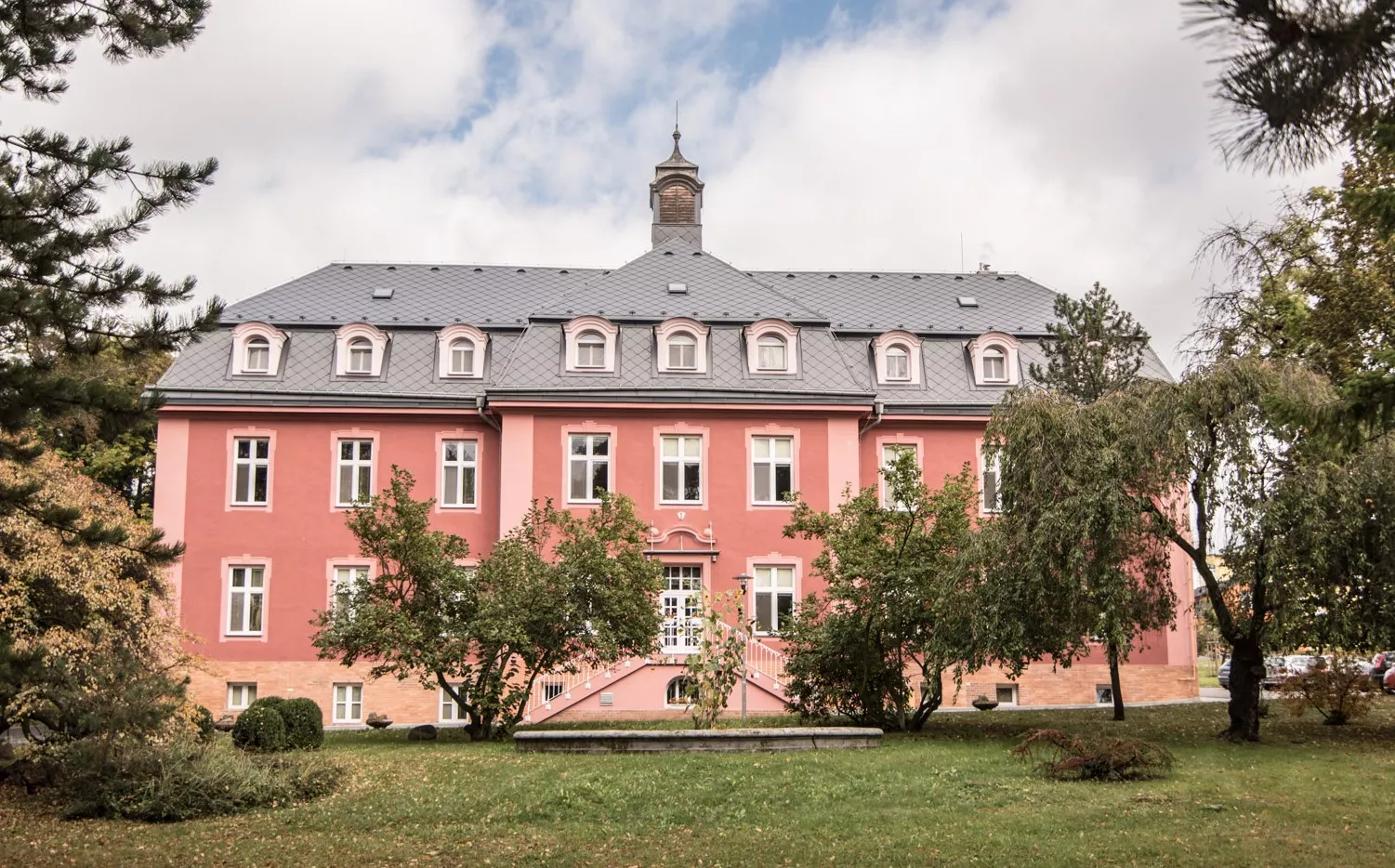
Dean Richter’s Hospital

The palace-like sanatorium was the second hospital institution founded from the endowment of Dean Richter of Hlučín. Although intended as a home for long-term patients, it was soon being used by the Redemptorists in the 1920s. After the Second World War, it housed the District National Committee.
More

Post and telegraph office

Built in the style of Prussian brick Neo-Gothic with a tall stepped gable, the building dominated the north side of the square. Owing to its German character, it was completely rebuilt in the 1960s.
More

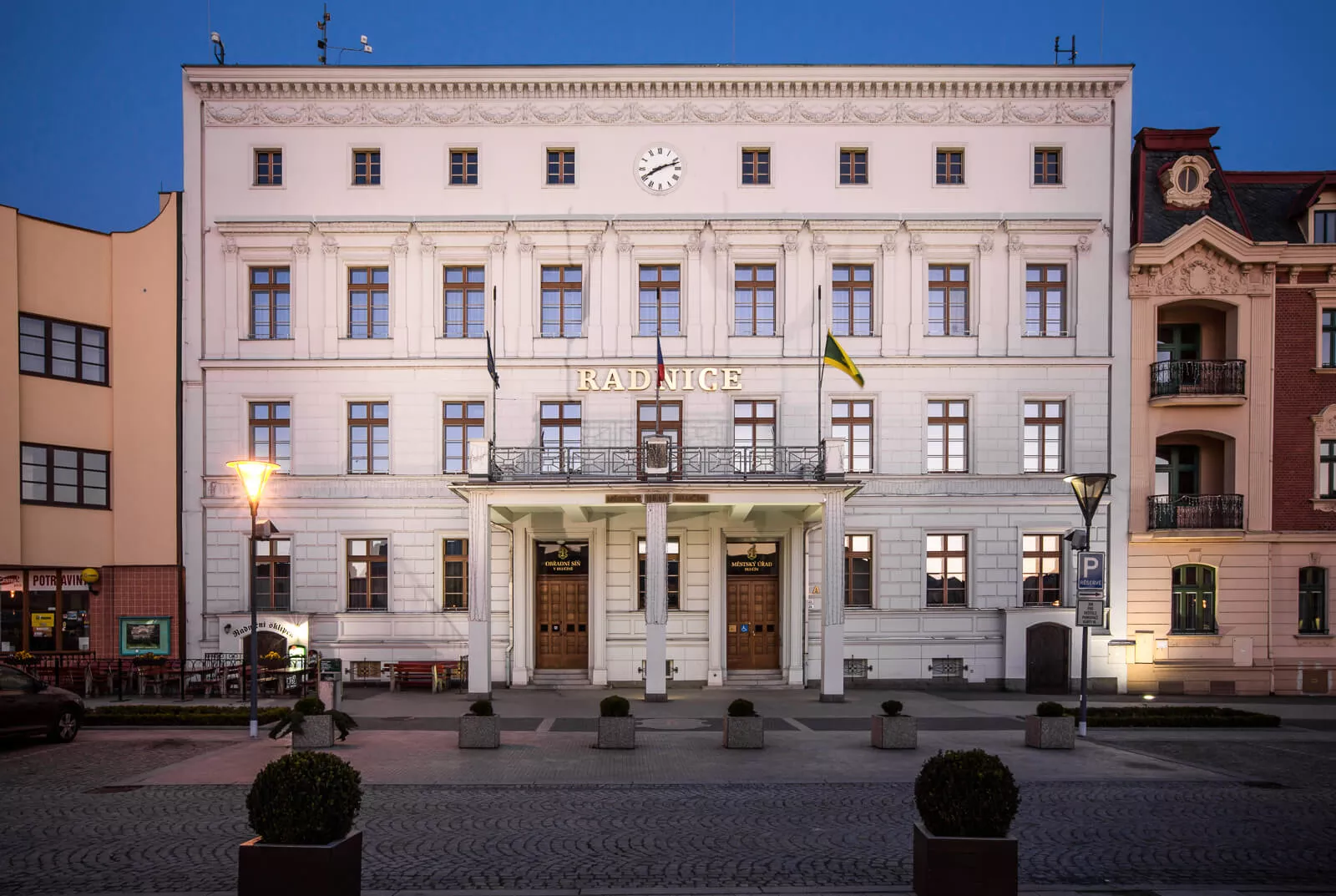
Town hall

At the time of its construction, the Hlučín town square was still surrounded by modest, mostly low-rise houses. The new town-hall building towered several times higher than the existing development. Its architecture was inspired by Italian Renaissance palaces of the fifteenth and sixteenth centuries.
More

Charlottenstift Orphanage

The elegant orphanage building in the château gardens was erected by Baron Rothschild, the estate owner, who named it after his prematurely deceased wife Charlotte. After drastic alterations, the only original detail to survive is the stone Classicist portal.
More

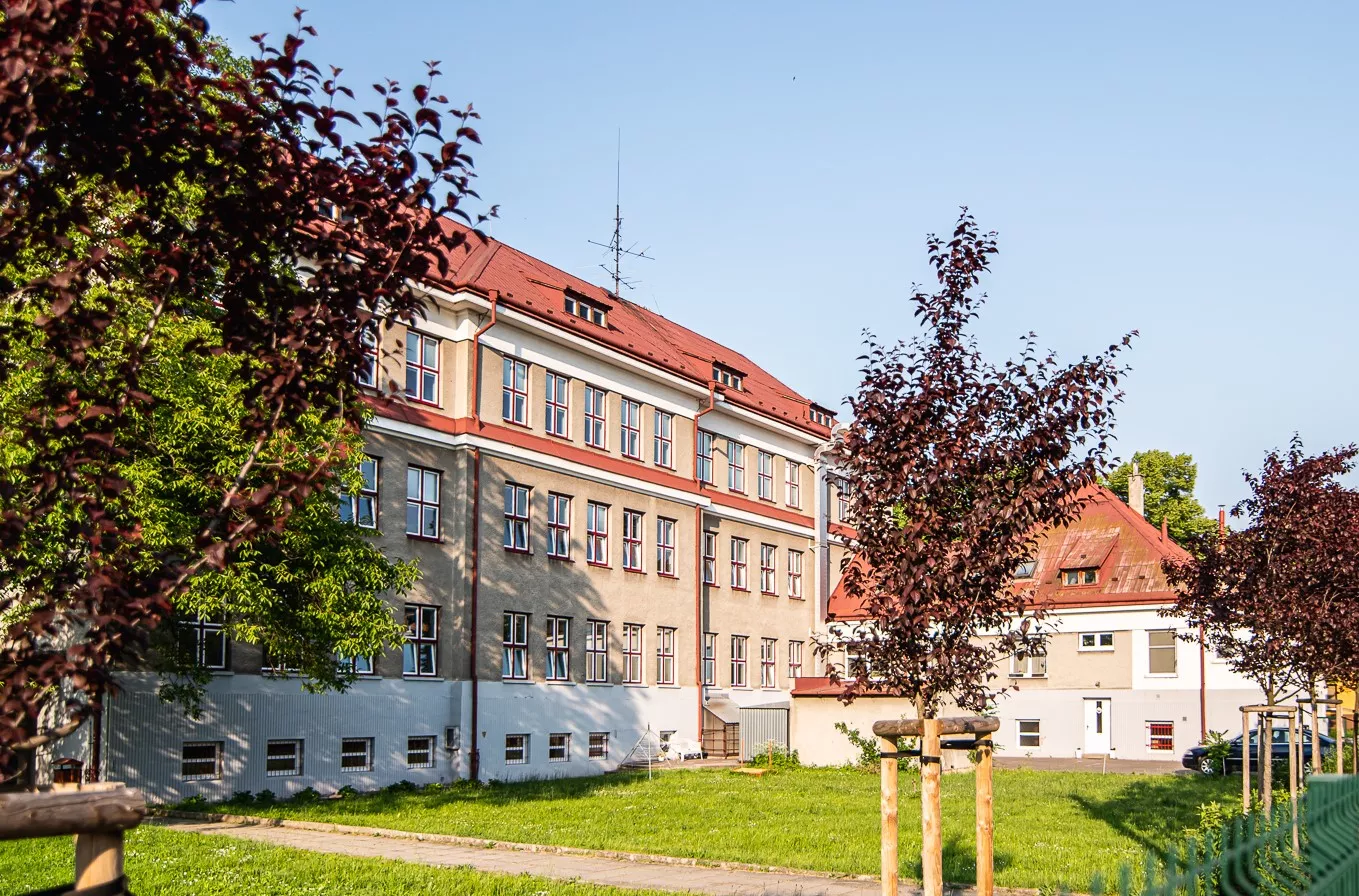
State Realgymnasium

The palatial building was designed by the same architect who created the High Court complex at Pankrác in Prague. Until the 1970s, the façades were adorned with lozenge-pattern sgraffito. Among the school’s notable alumni is Josef Kainar, after whom the grammar school now takes its name.
More

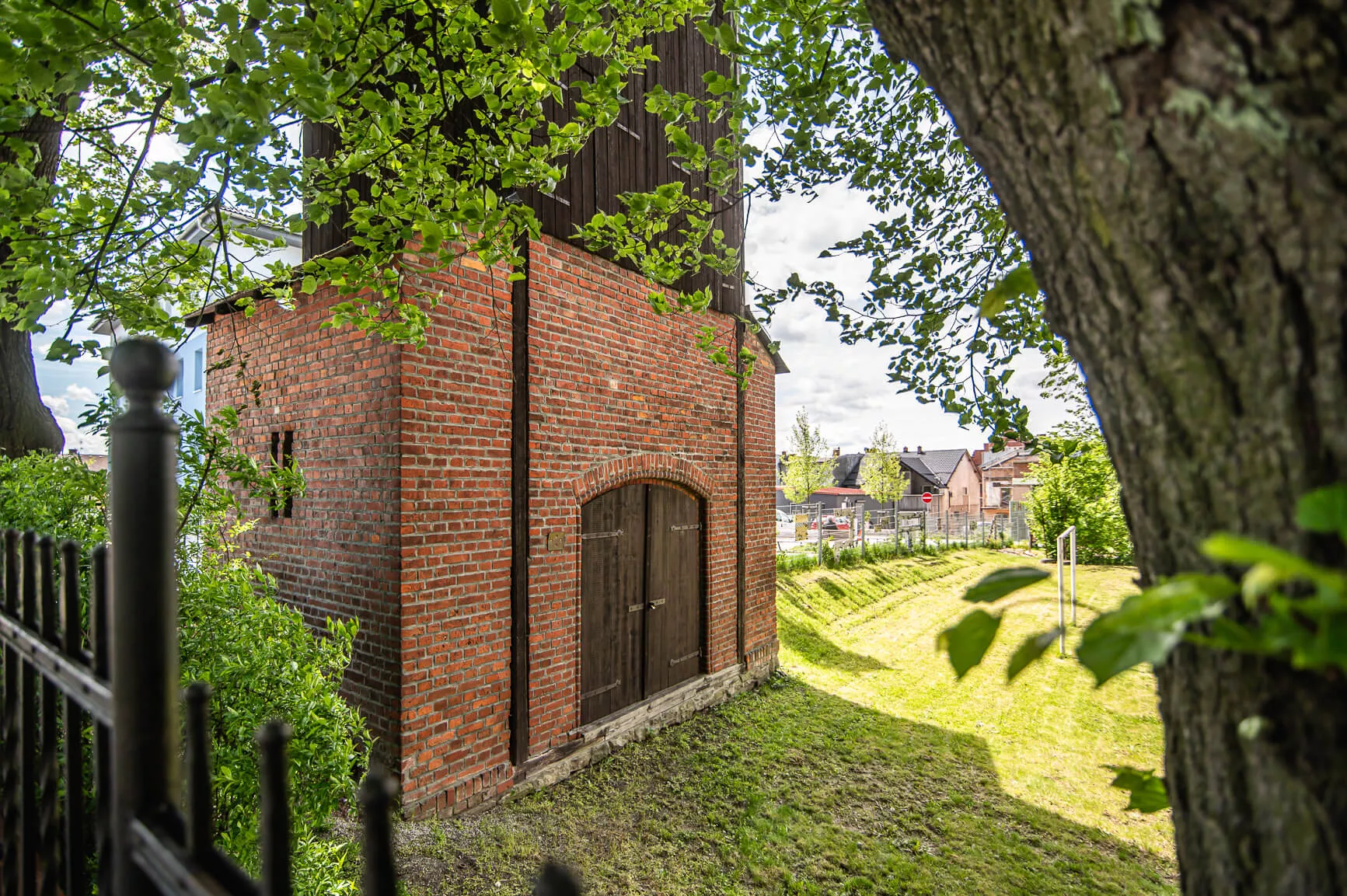
Fire-hose drying tower

What makes the Hlučín drying house unusual is that it is not directly attached to the fire station, which in Hlučín was actually built two years later.
More

Dean Richter Institute

Thanks to a financial bequest by the Hlučín dean Šimon Richter, this Classicist building was built to house a charitable institute providing hospital care. After the Hlučín region was incorporated into Czechoslovakia, it also served as government offices.
More

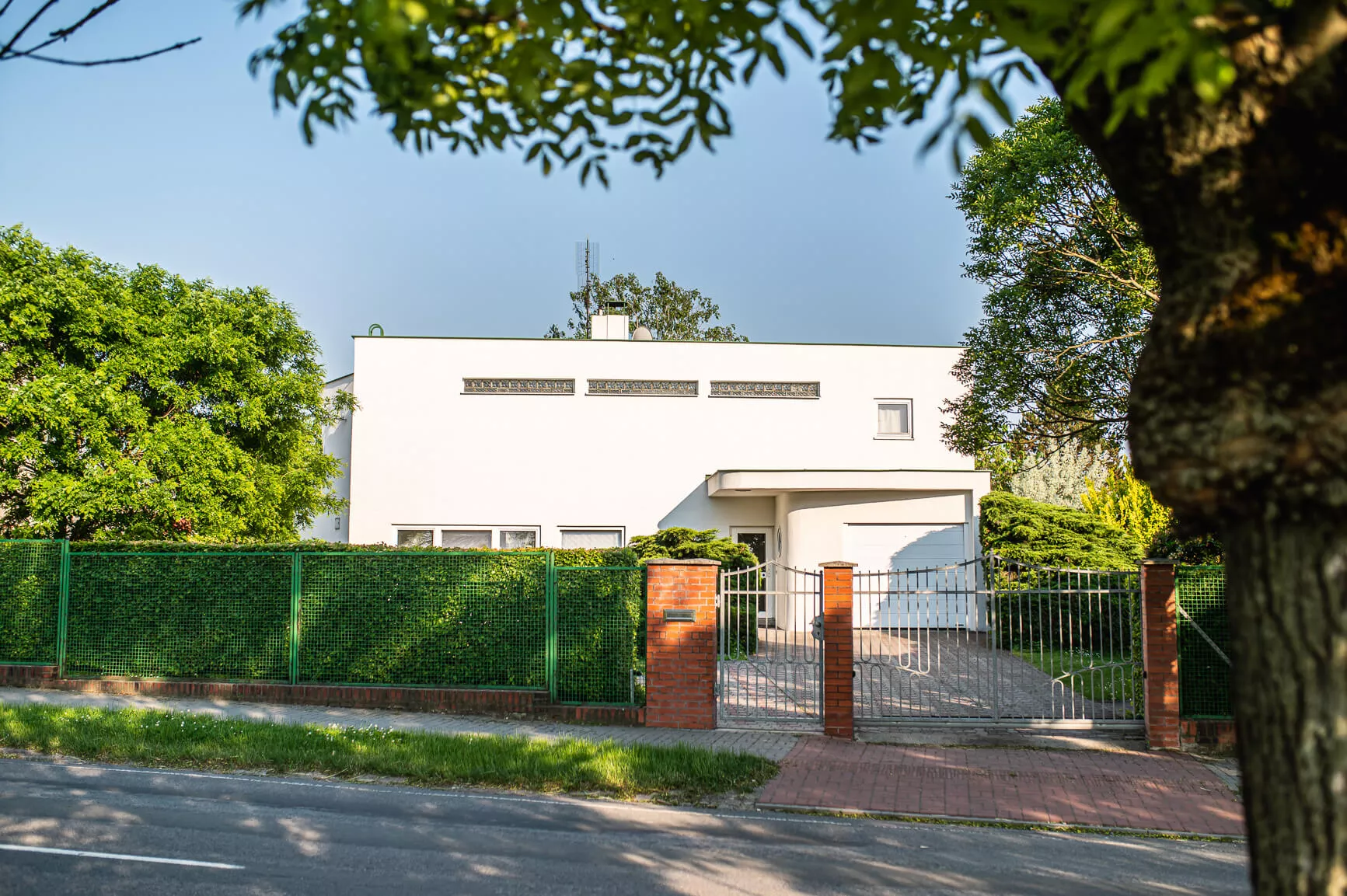
Villa of František Kremer

A home for the district veterinarian, this is the only purely Functionalist villa building in the Hlučín region. The garden front is shaped by organic curves and a terrace with a conservatory. The house is one of the masterpieces of the Moravian architect Lubomír Šlapeta.
More

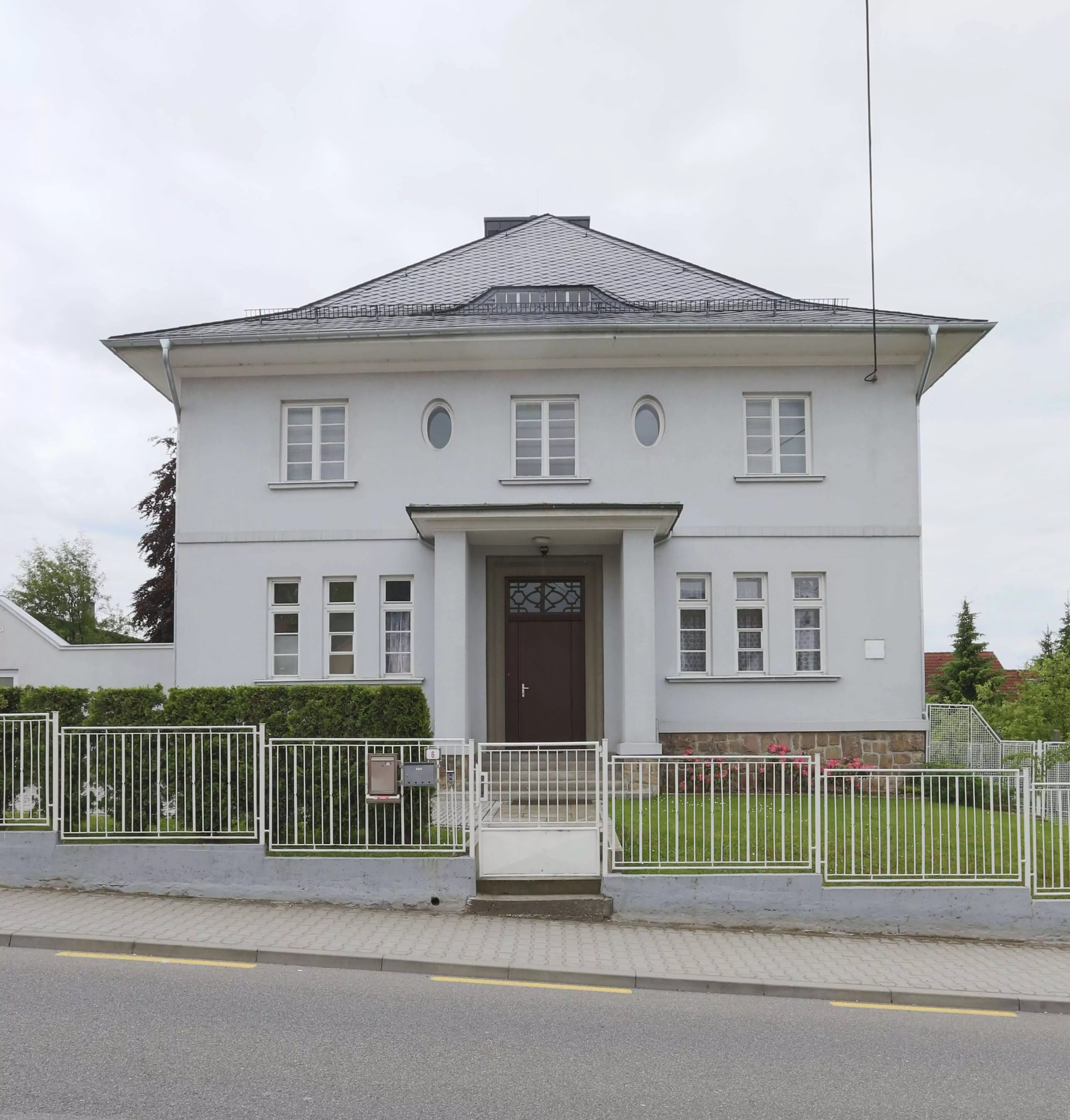
Villa of Josef Barták

A well-appointed villa influenced by the German Heimatstil. One of the first houses in Hlučín to have its own garage.
More

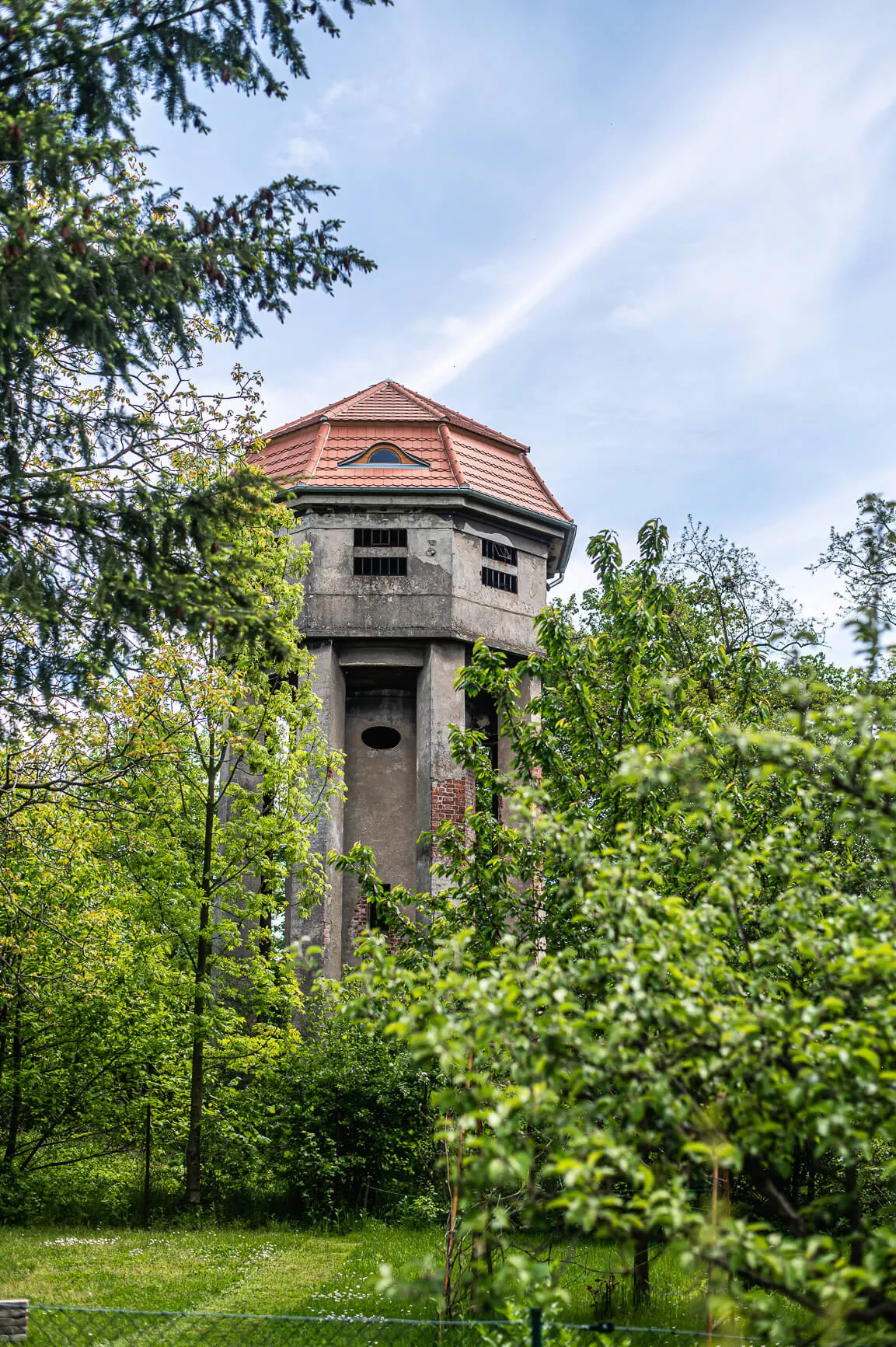
Water tower

The water tower, with the look of a belvedere, was built as part of the railway complex. What makes it distinctive is the eight separately standing reinforced-concrete supports. The water tank remains in the tower to this day.
More

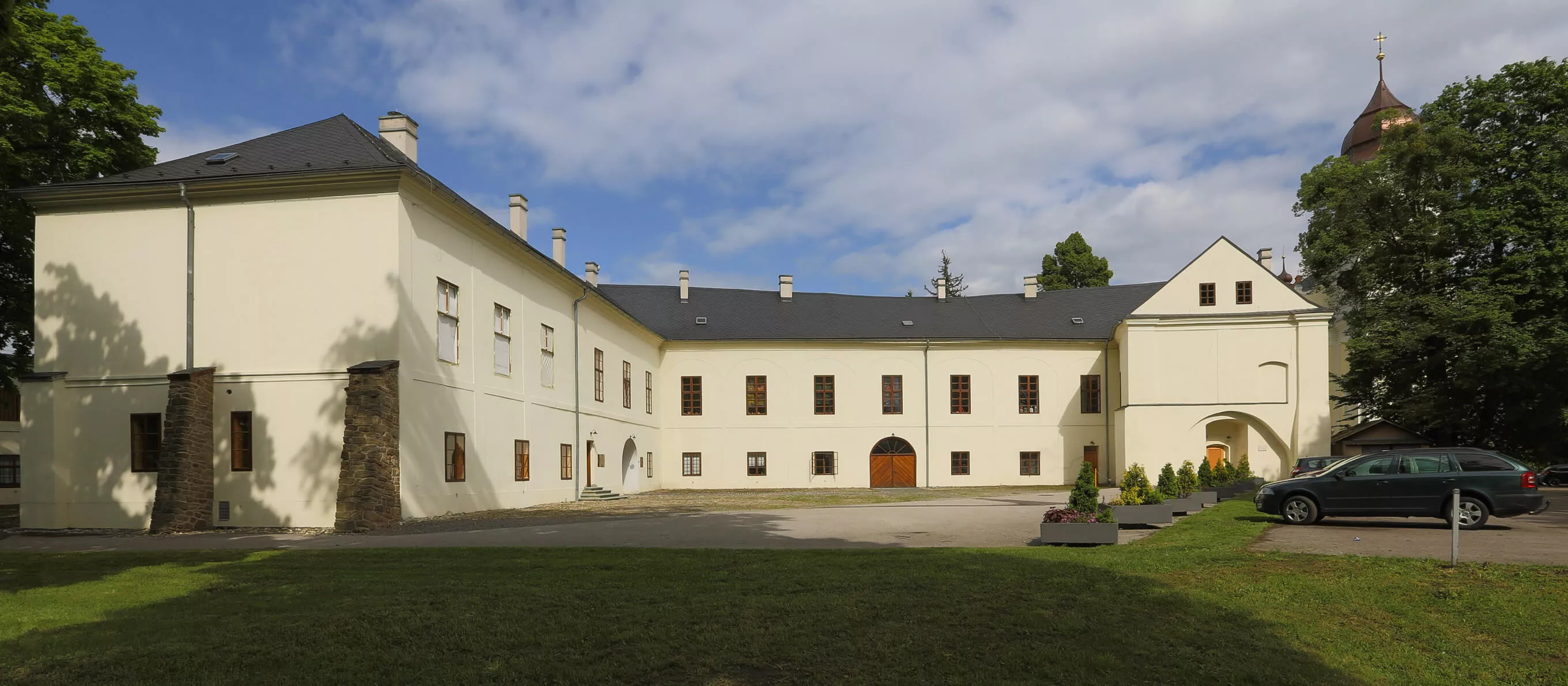
Château

Originally the château had an enclosed courtyard flanked on two sides by wings with first-floor arcades. After the demolition of the south and west wings, only the oldest part survived, with a core of Gothic masonry.
More

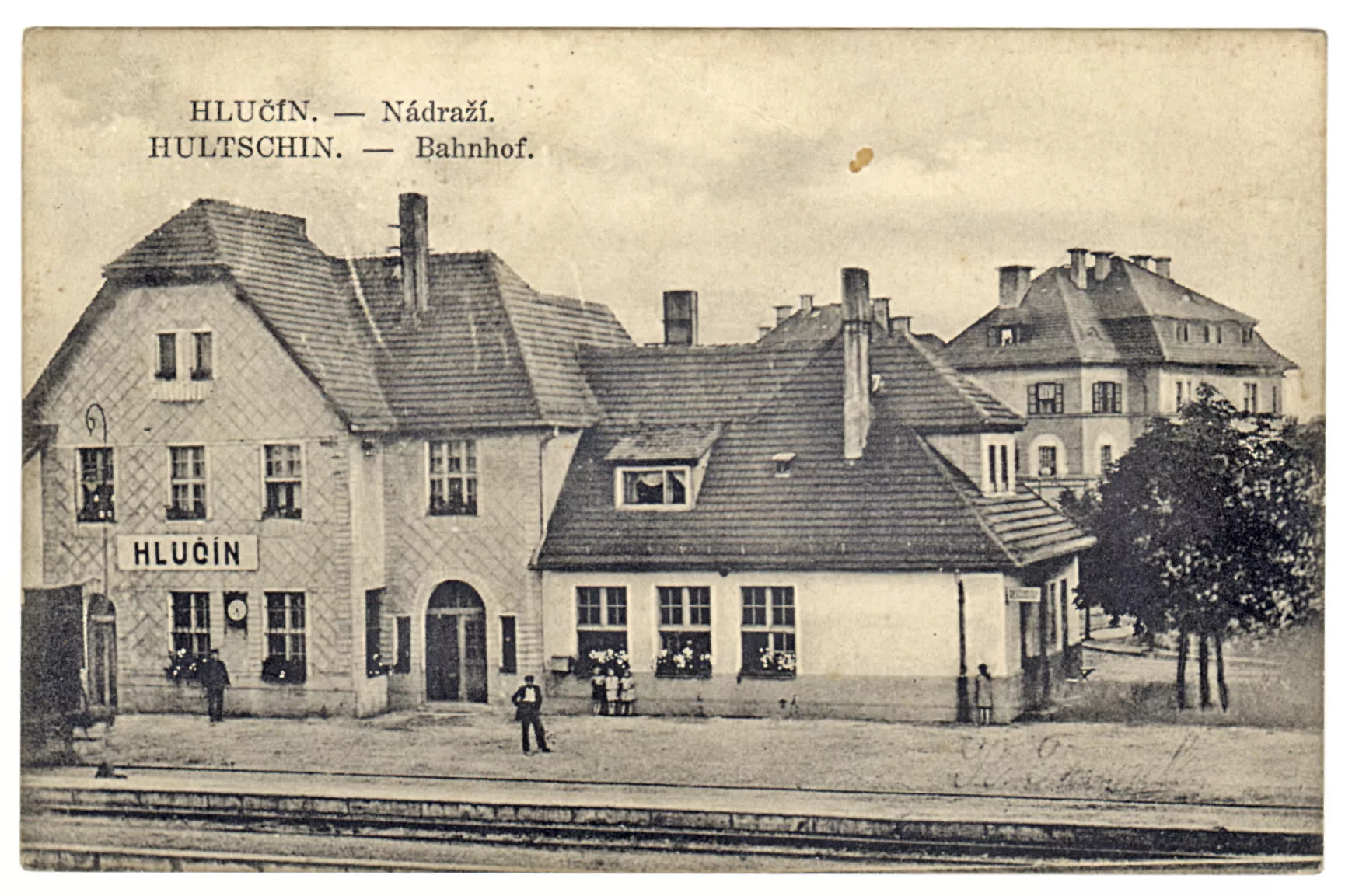
Railway station

The station was intended as a stop on a line linking Opava with the rail hub in what was then German Chałupki. After the Hlučín region joined Czechoslovakia, the ambitious project was not pursued. From 1950 to 1982, the station was the terminus of a tram line from Ostrava to Hlučín.
More

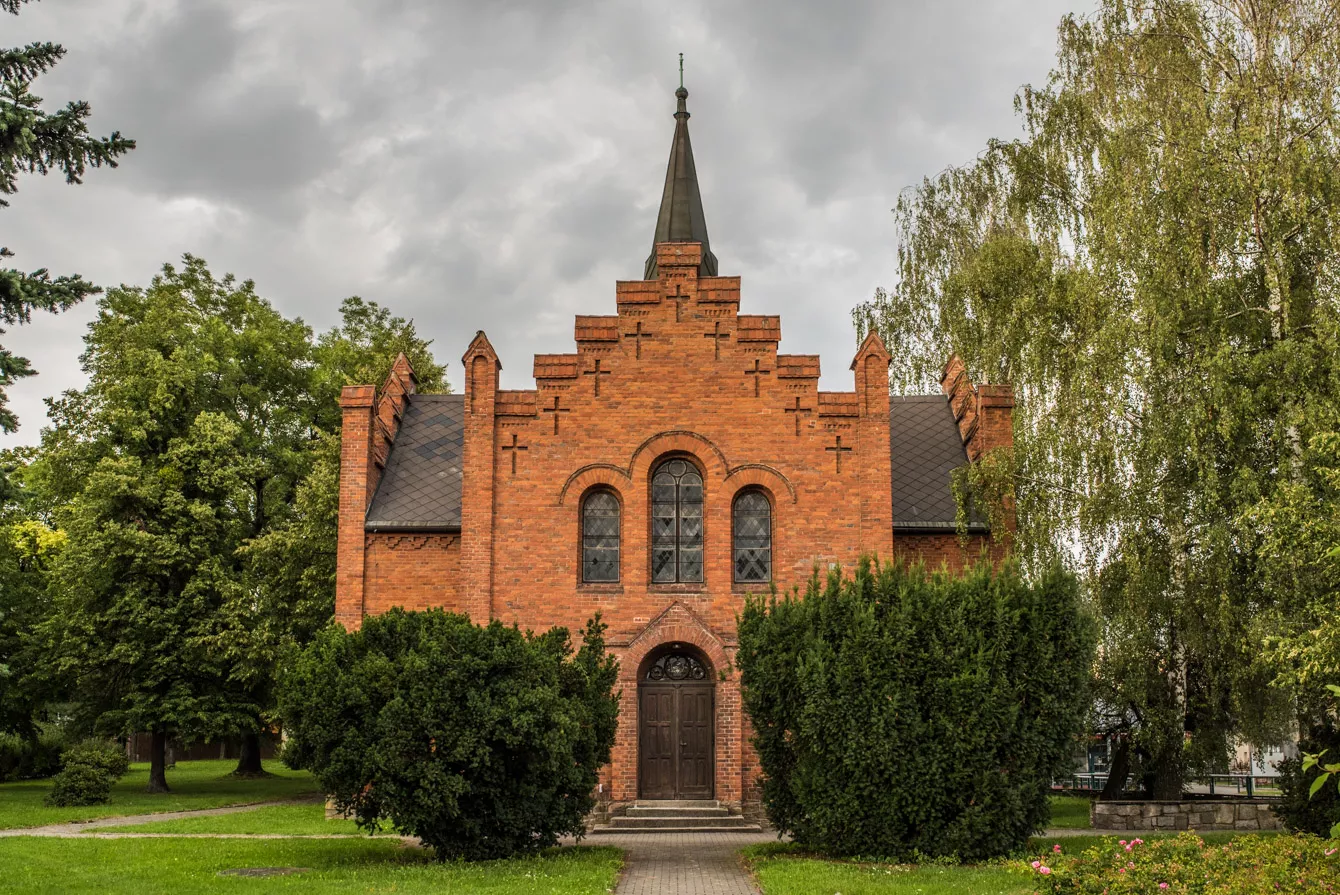
Evangelical church

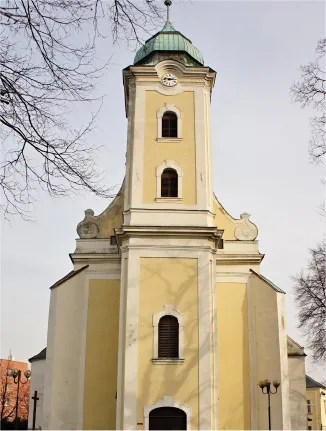
Built to the design of a Berlin architect, this was the first sacred building in the Hlučín region in the spirit of Prussian brick architecture. Its centralised plan on a Greek-cross layout is a notable feature.
More

Parish Church of St John the Baptist

This monumental Gothic church is the oldest building in Hlučín, though heavily influenced by Baroque rebuilding. Noteworthy are Salomon Steinhoffer’s carved early-Baroque altar, the group of Renaissance epitaphs, and paintings by Jan Bochenek.
More

Cemetery Church of St Margaret

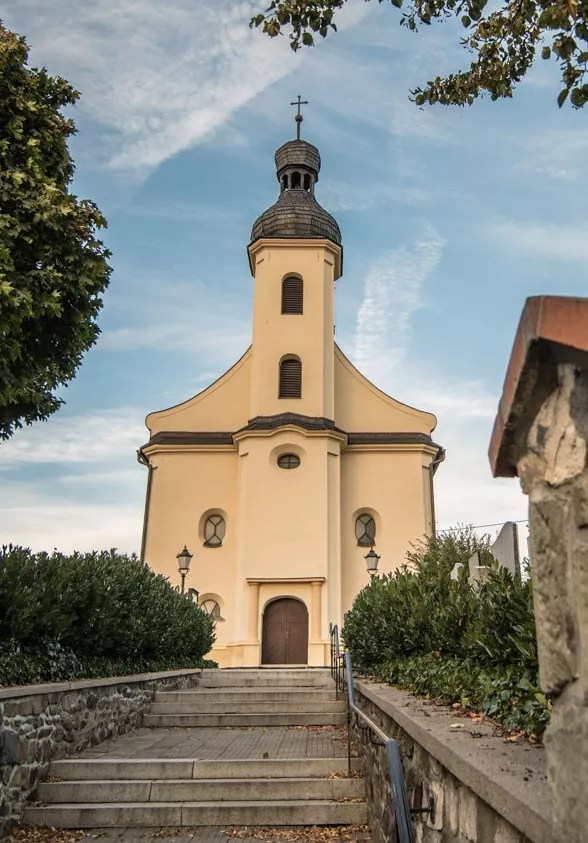
This single-nave cemetery church shows the persistence of Baroque building traditions deep into the nineteenth century. All its original furnishings, including the group of paintings by Jan Bochenek, were lost in the wartime fire.
More

Calvary

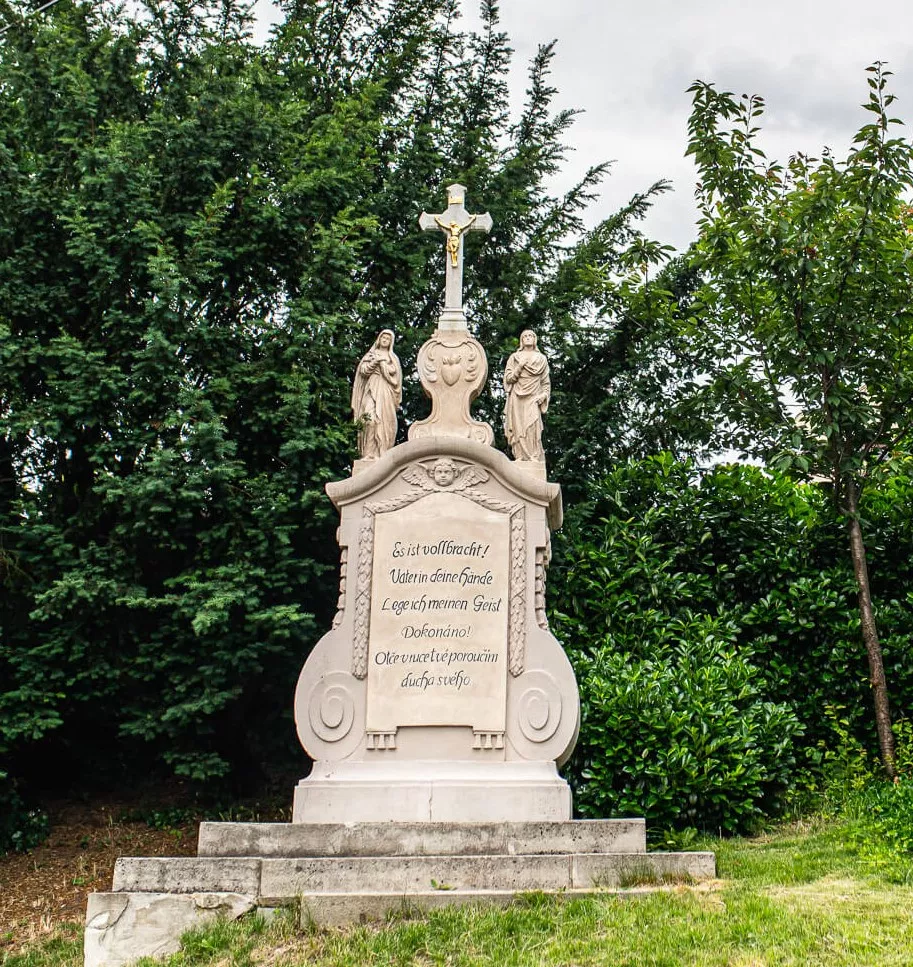
The Neo-Baroque Calvary is unusual for its technical solution: it is assembled from artificial-stone components, and the pedestal with the inscription panel is hollow.
More

Chapel of Saint John of Nepomuk

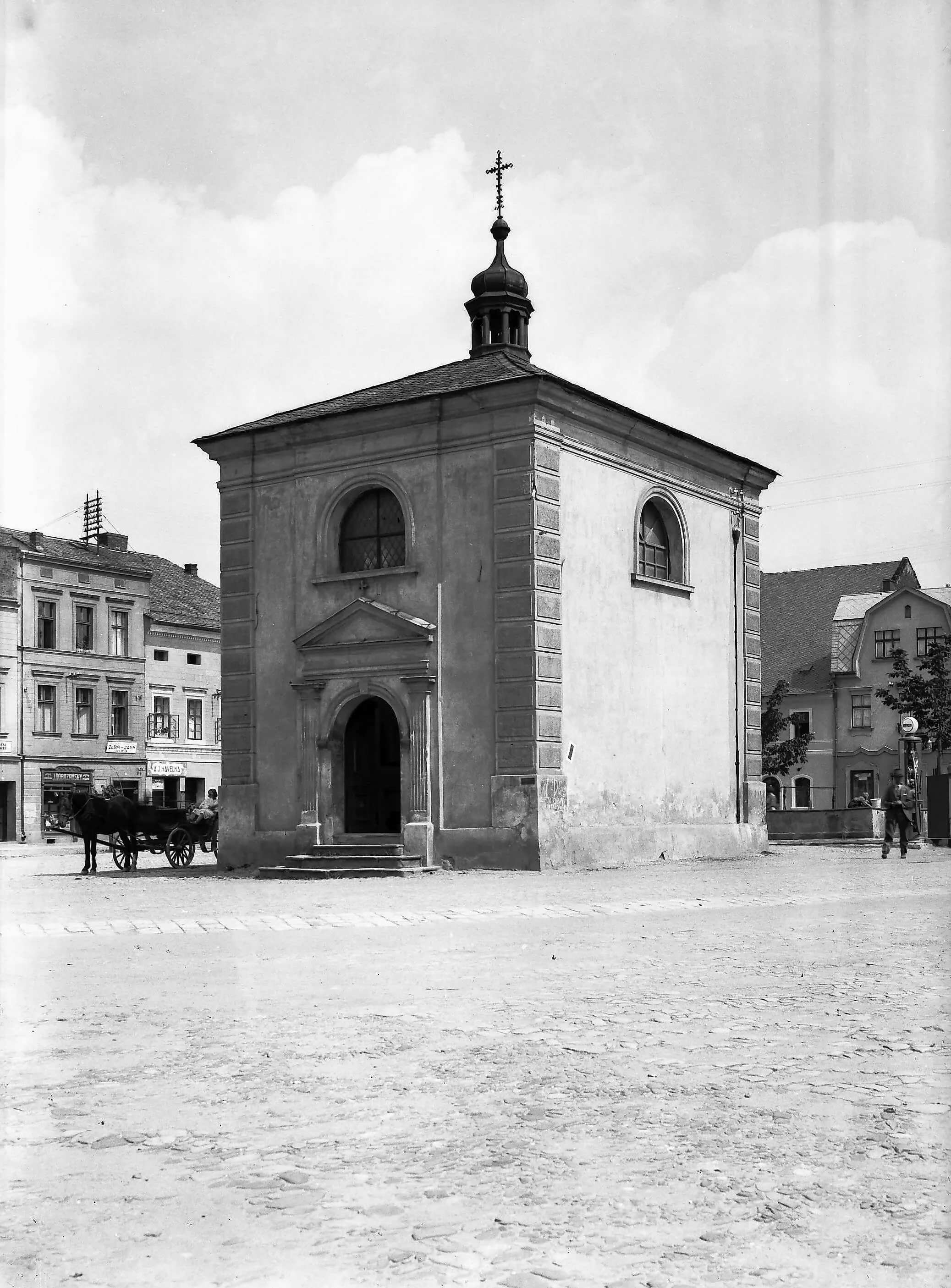
The small central Chapel of St John of Nepomuk stood on the square from 1725, built amid the rising cult following his beatification. On the orders of the Nazi town leadership, it was demolished in 1940.
More

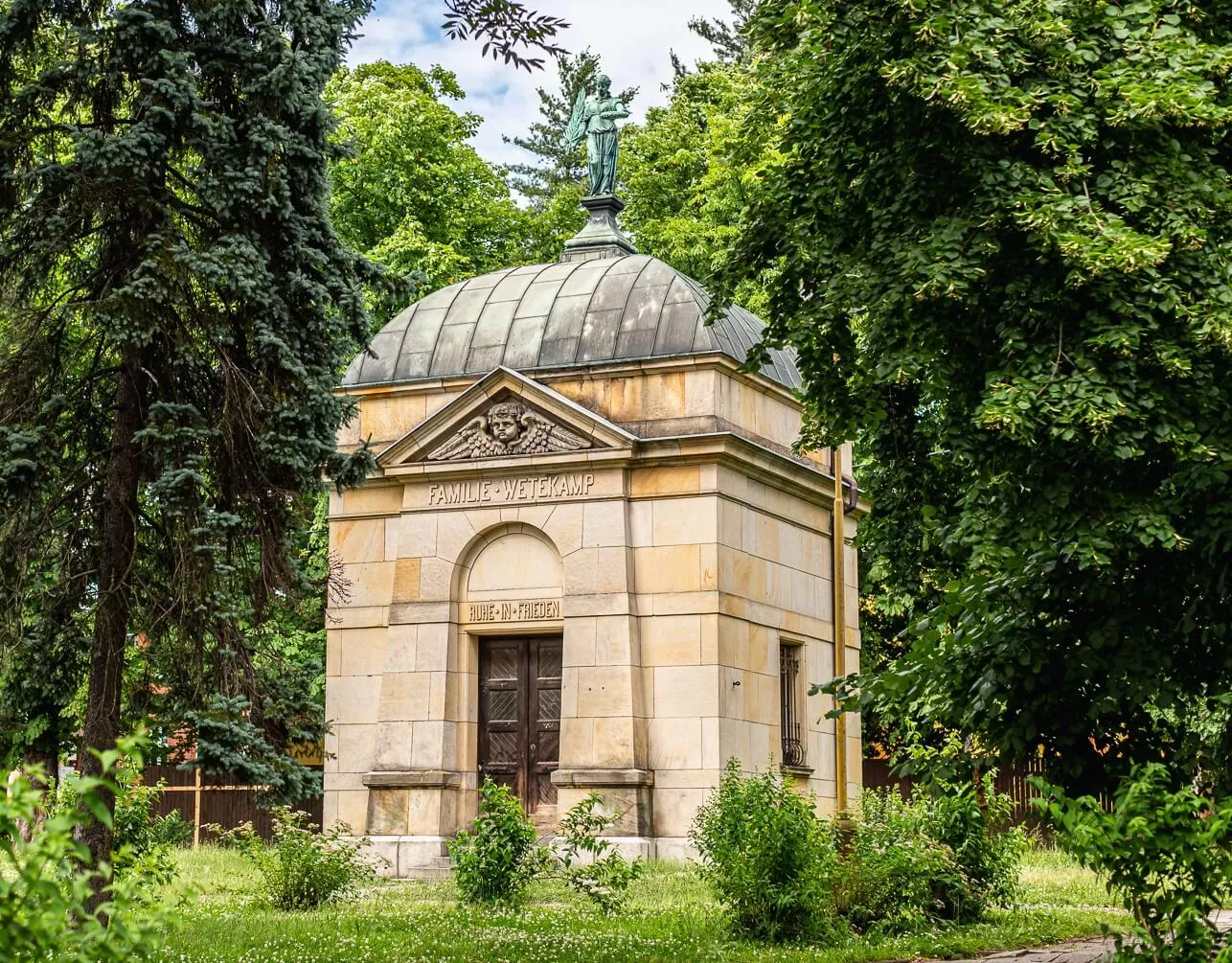
Wetekamp mausoleum

This monumental Neo-Classical sandstone tomb of the general director of the Rothschild estate is the only tangible remnant of the Evangelical cemetery.
More

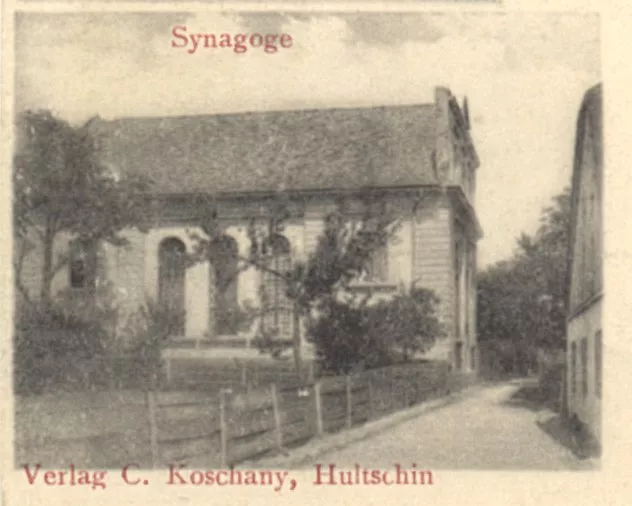
Synagogue

The Classicist synagogue was built when the Jewish population of Hlučín stood at its peak. Their gradual departure led to the community’s decline, and by the 1920s the derelict synagogue had been sold; it was subsequently demolished.
More

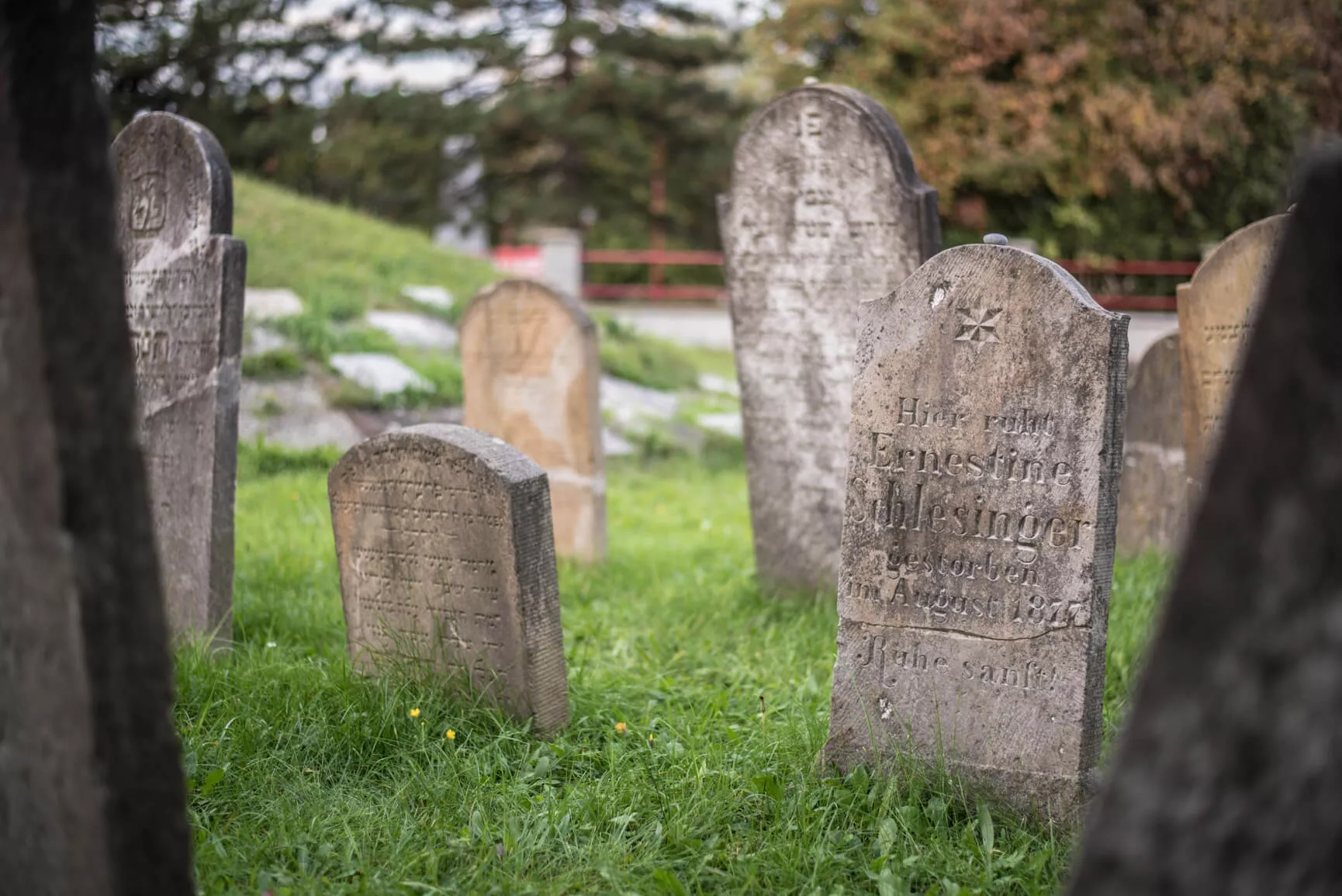
Jewish Cemetery and Cemetery of Red Army Soldiers

The Jewish cemetery was destroyed by the Nazis during the war, its gravestones were used to pave a drainage channel. After their rediscovery, the cemetery was ceremonially restored in 2009. Following the Second World War, the front part of the former Jewish cemetery became a burial ground of Red Army soldiers. Today, more than 3,360 men lie here, making the Hlučín cemetery the second-largest Soviet military burial ground in the Czech Republic.
More
The web browser you are using is no longer supported. This web presentation may not display correctly.

How to read the map

The schematic 3D model presents the town of Hlučín as it appears today. For ease of reference, it omits many existing buildings and focuses on the historic heart of the town. The highlighted structures are not limited to protected cultural monuments, but also include buildings and sites of historical and heritage value within the wider story of Hlučín. In addition to buildings, the plan marks sculptures with small dots. The model also shows landmarks that have vanished entirely or have been altered so profoundly that they have lost their original character. These places are shown in blue on the plan.

Color Coding of Monuments

Preserved Monuments
Former Monuments