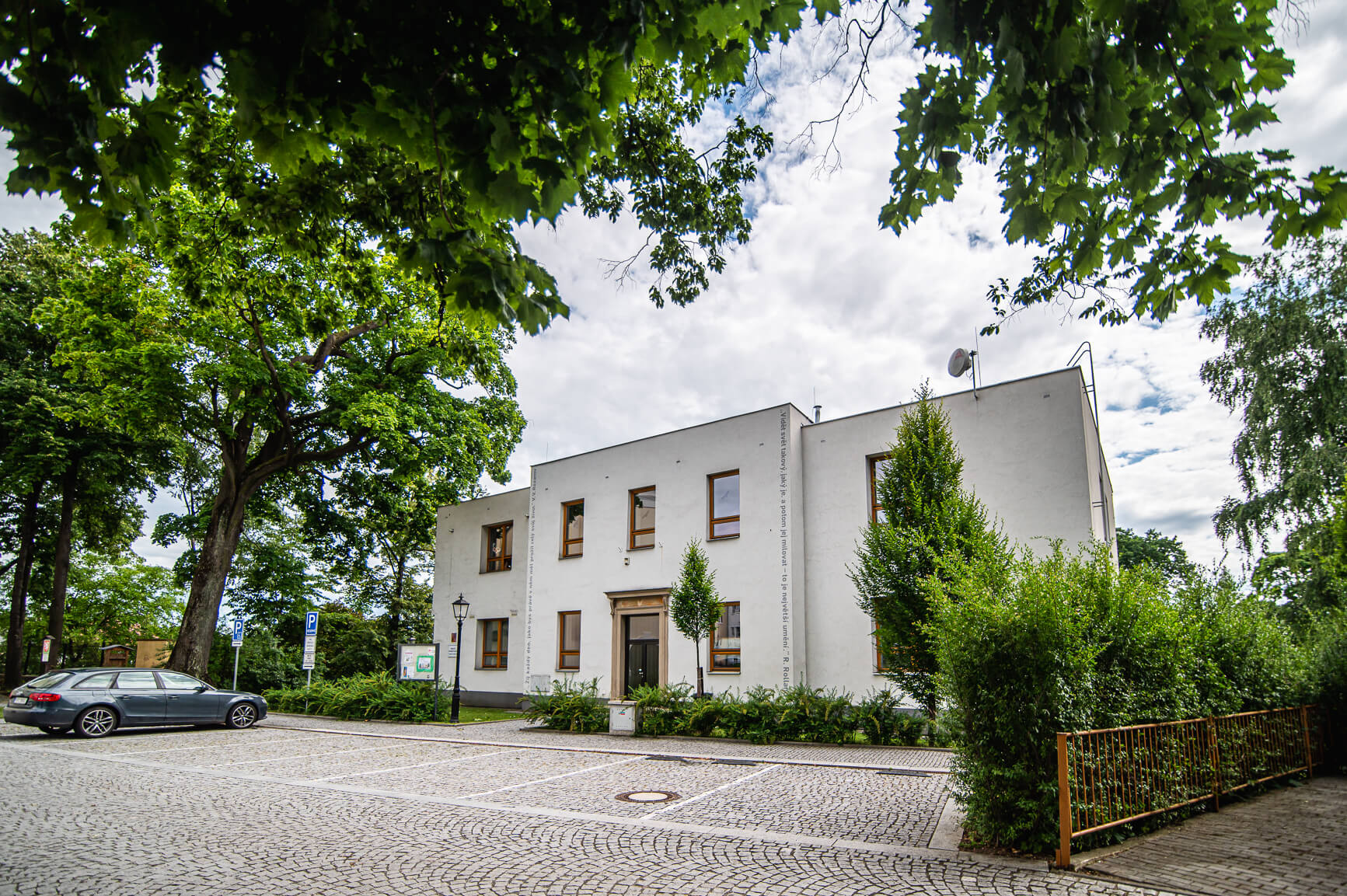
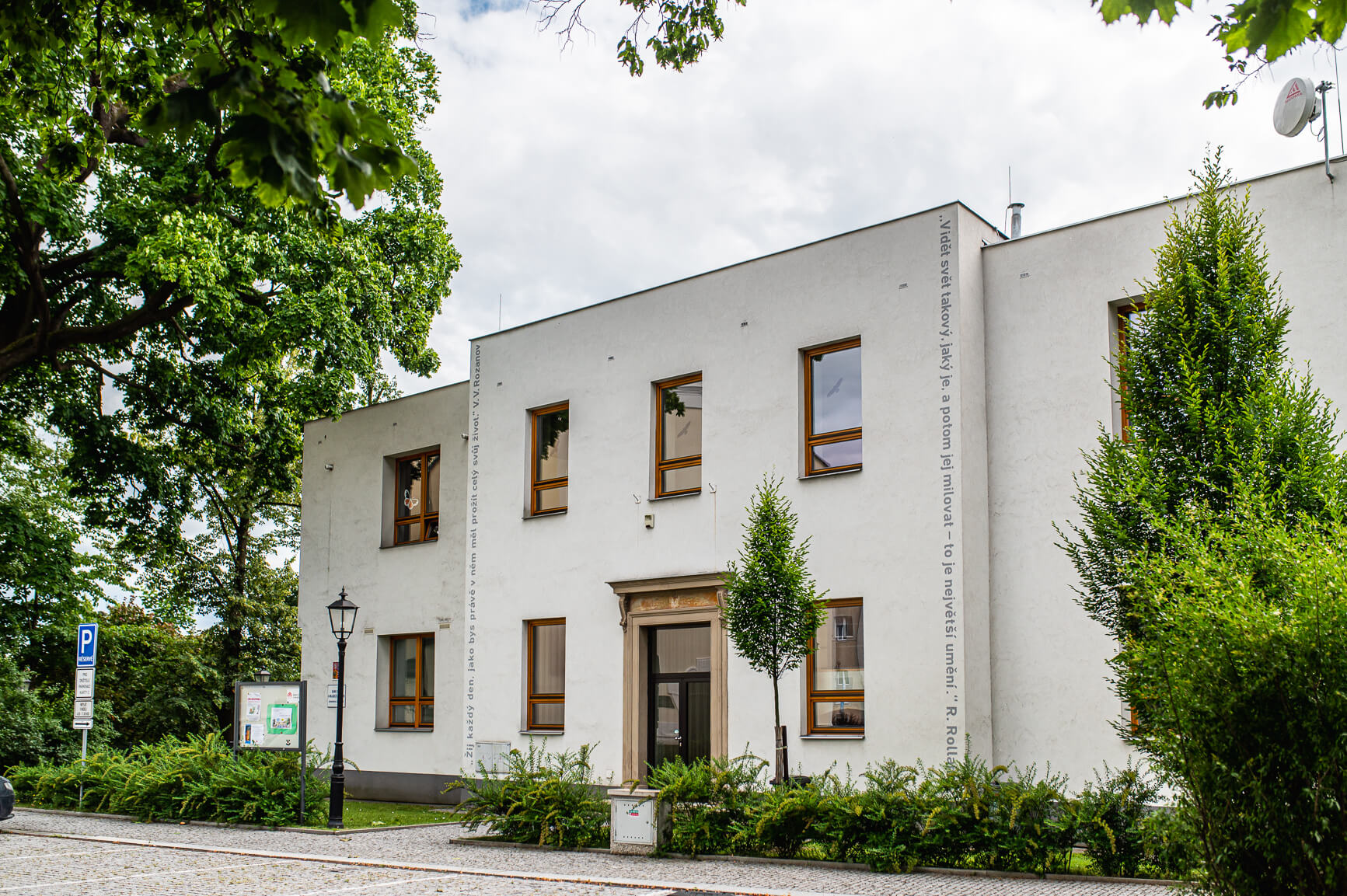
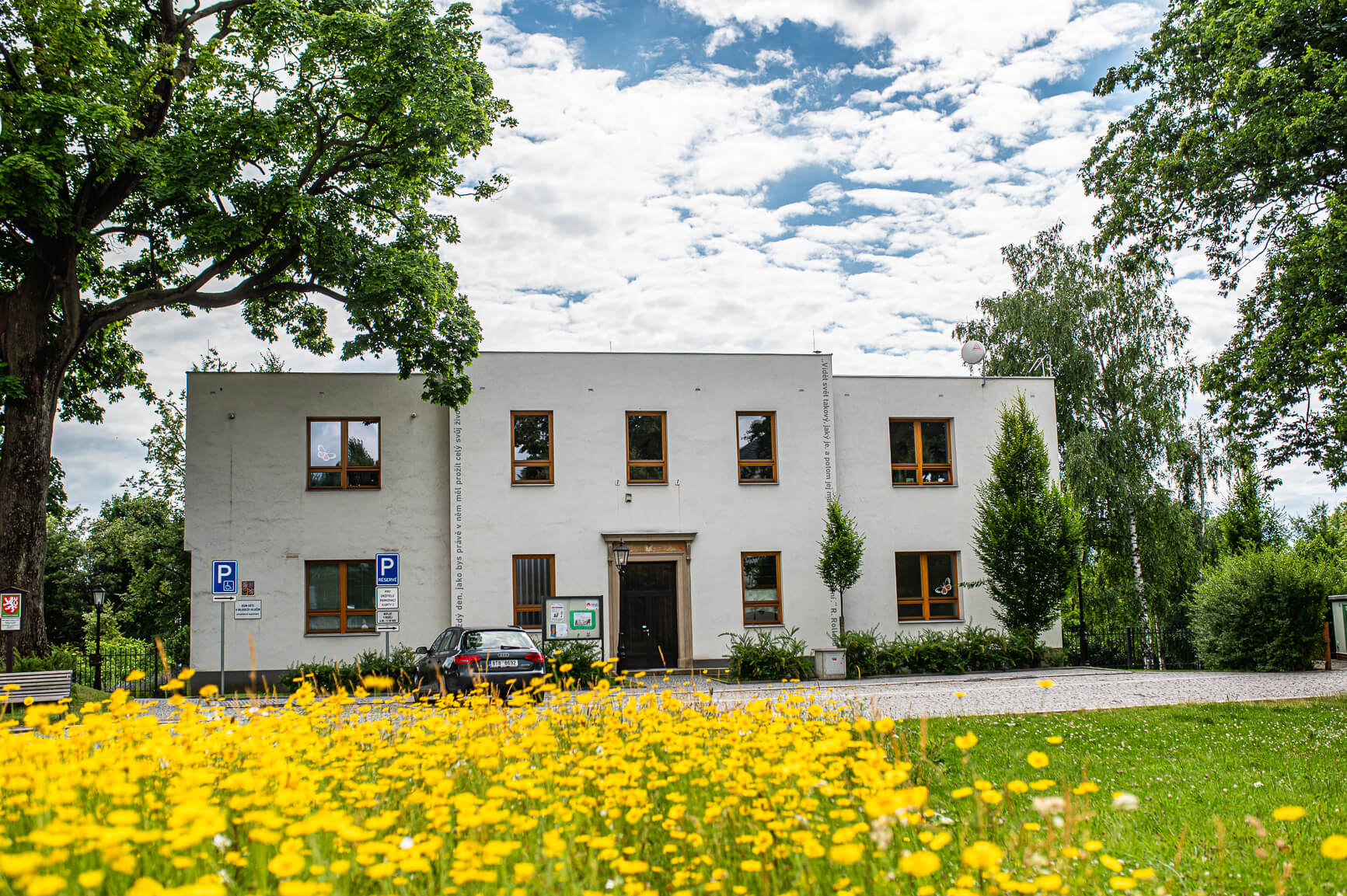

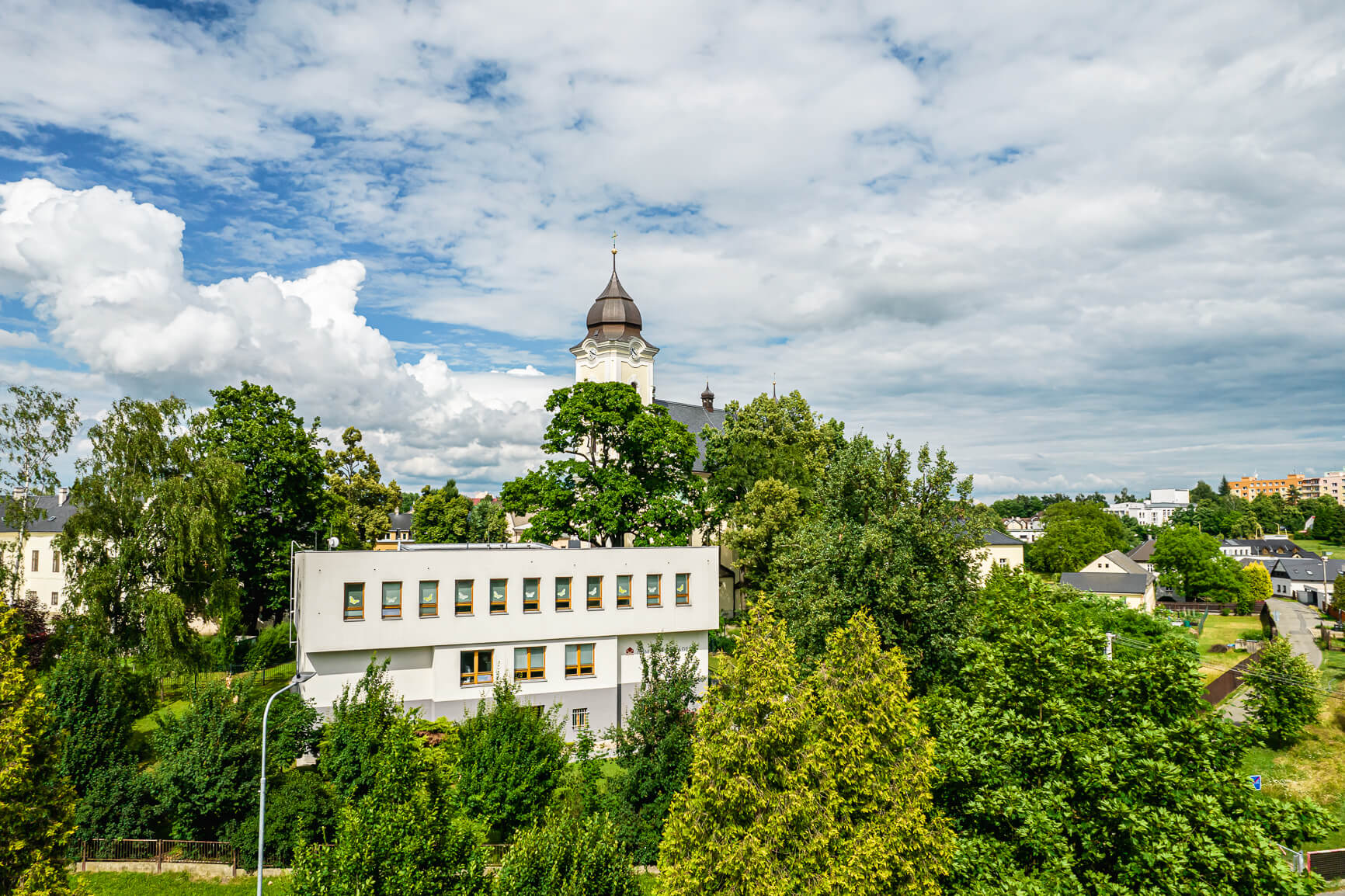
The Hlučín orphanage for boys was founded on the initiative of the three sons of Baron Anselm Salomon Rothschild (1803–1874): Nathaniel Mayer (1836–1905), Ferdinand James (1839–1898), and Salomon Albert (1844–1911). In honour of their mother Charlotte, who had died prematurely, it bore her name. Charlotte (1807–1859) was the daughter of Anselm’s uncle, Nathan Mayer of the London branch of the family. Anselm married her in September 1826.
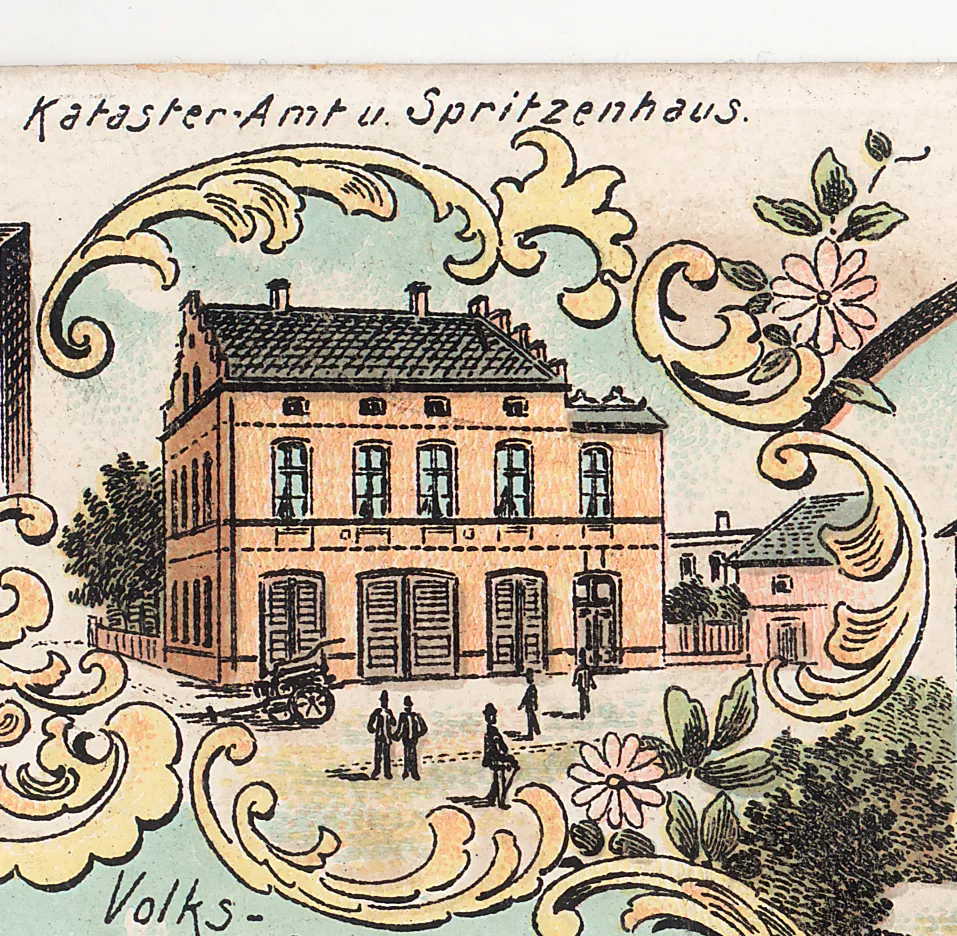
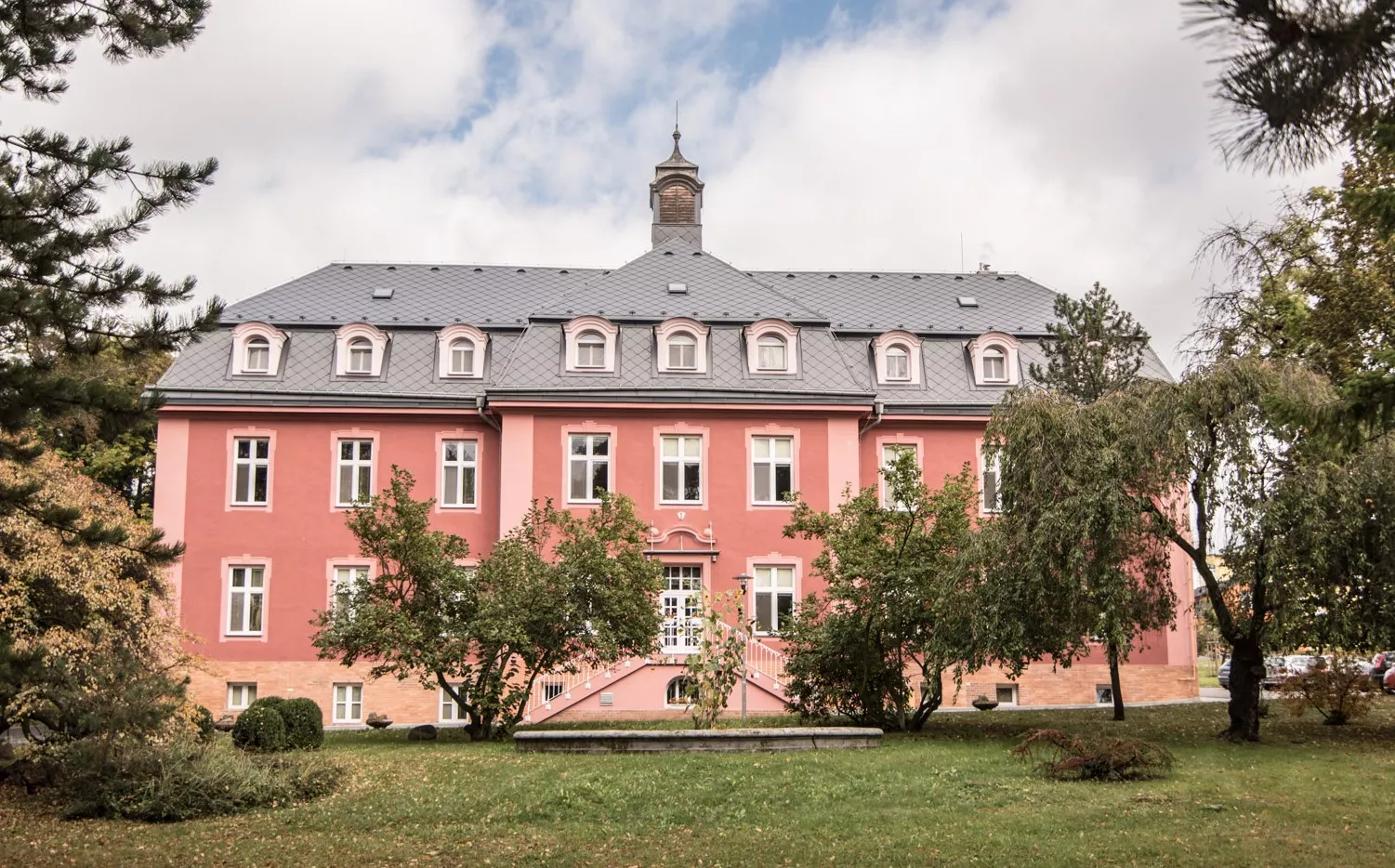
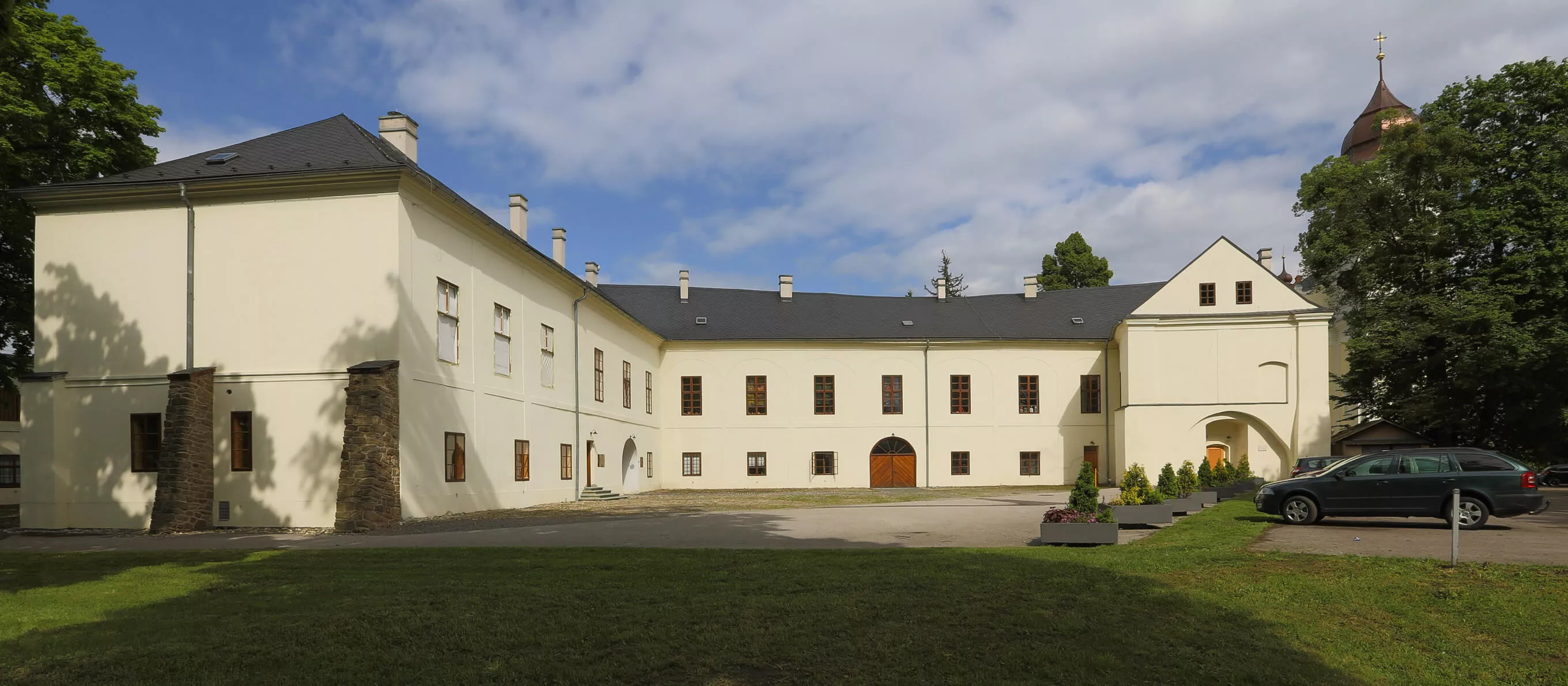
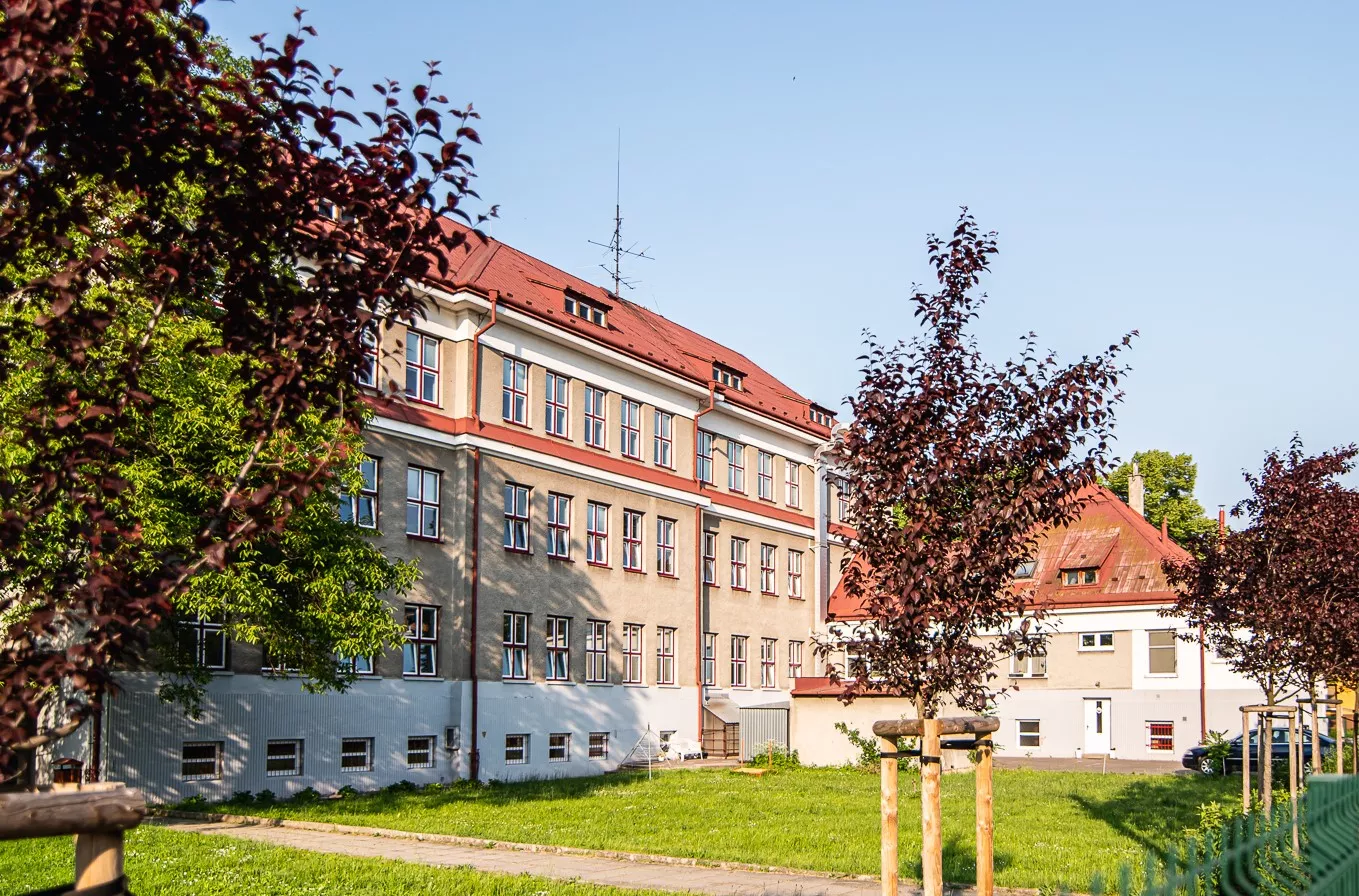
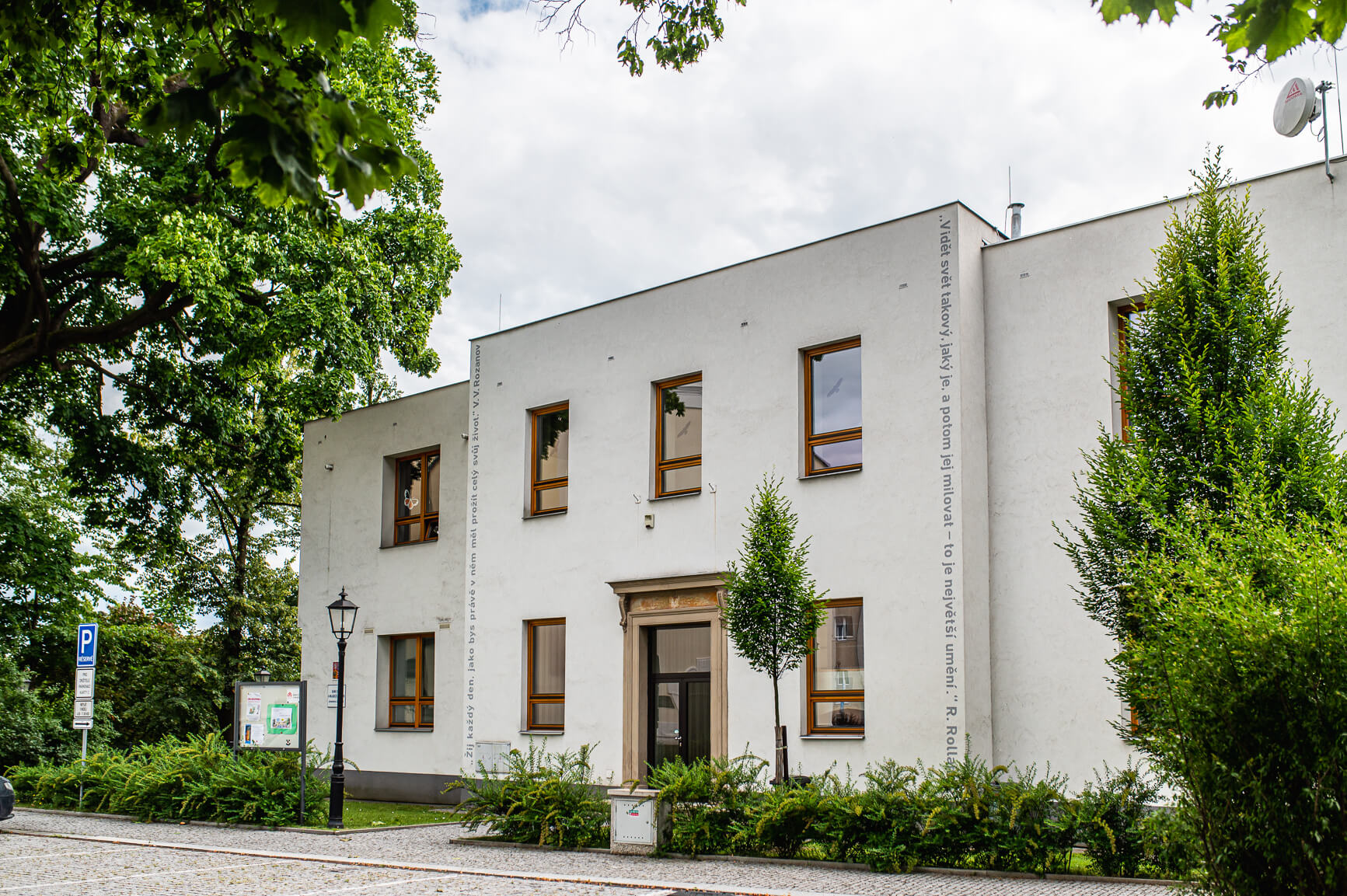
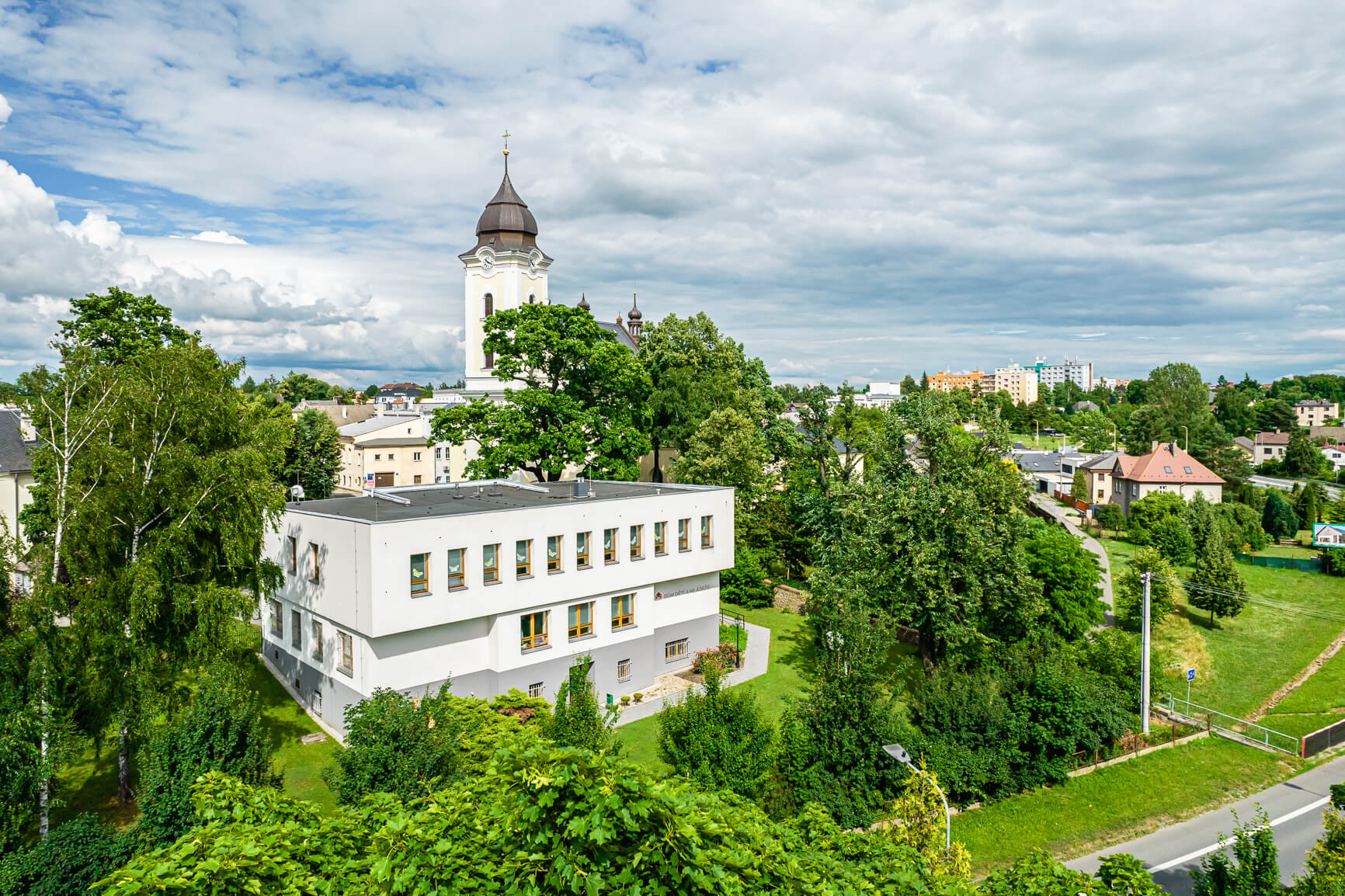
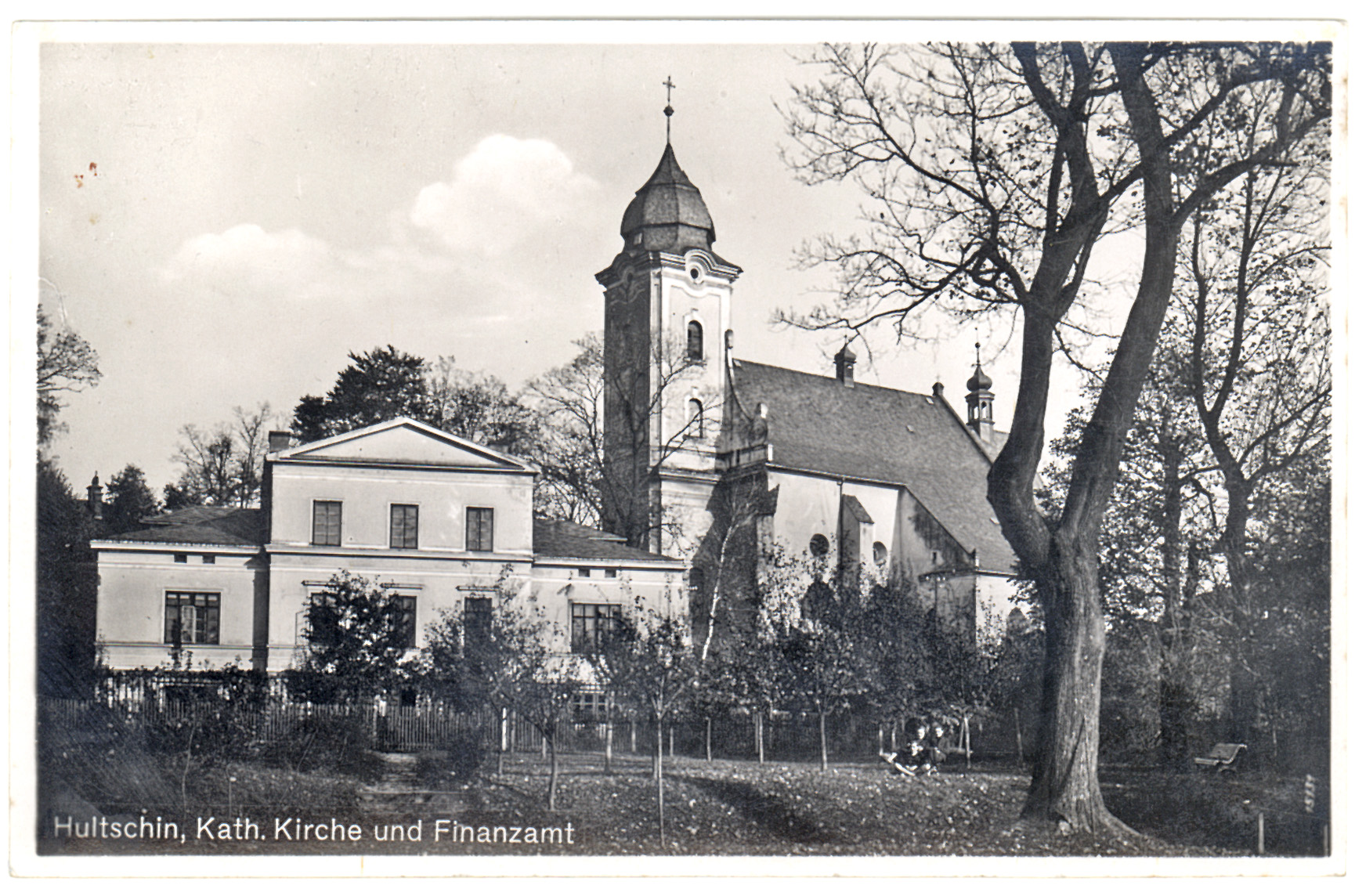
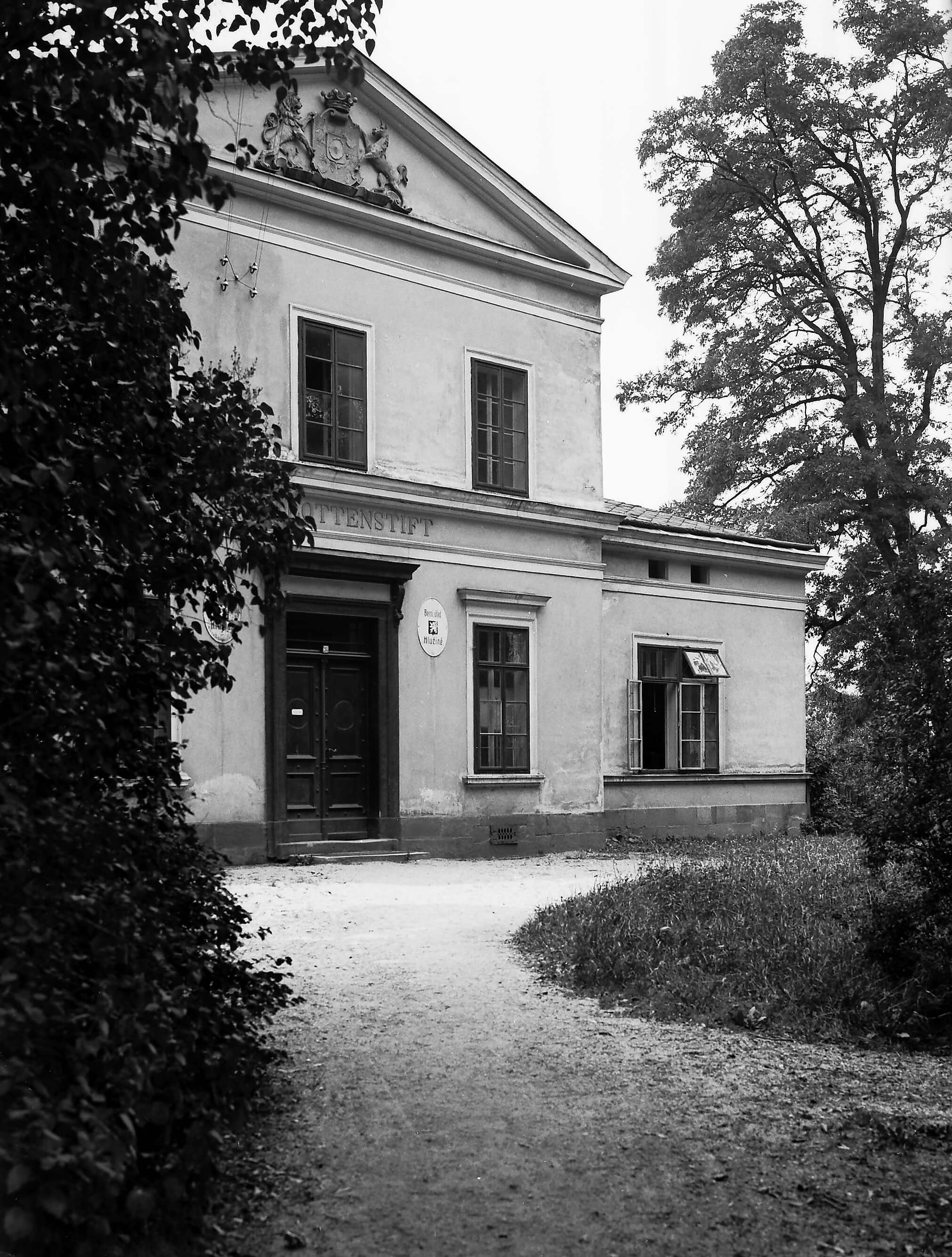
The orphanage was built south of the château, at the edge of the château park near the Church of St John the Baptist. It is a two-storey late-Classical building of symmetrical plan with a central, raised risalit crowned by a low triangular pediment. Its position on a break in the terrain shaped the layout: the main entrance from the château led visitors directly to the upper floor, while the ground floor was entered from the garden. The ground floor had banded rustication. The façades were plain, articulated horizontally only by a string course beneath the windows and a crowning cornice; the windows were framed by simple surrounds, and those in the risalit had window hoods. The entrance portal was accented by a cornice supported on a pair of consoles. The pediment carried the Rothschild coat of arms in relief with supporters, a lion and a unicorn.
The designer is unknown. He may have been one of the architects working for the Rothschilds at Vítkovice, perhaps from the builder family of the Krauses, since the building shows features similar to those of the Vítkovice château (Anton Kraus, 1847–1848).
The boys at the orphanage received nourishing food and clothing (uniforms), and care was taken of their education at the local school. After lessons they worked in the garden. In their free time, they could romp on the playground and do physical exercise. They remained at the institution until they reached the age of fourteen.
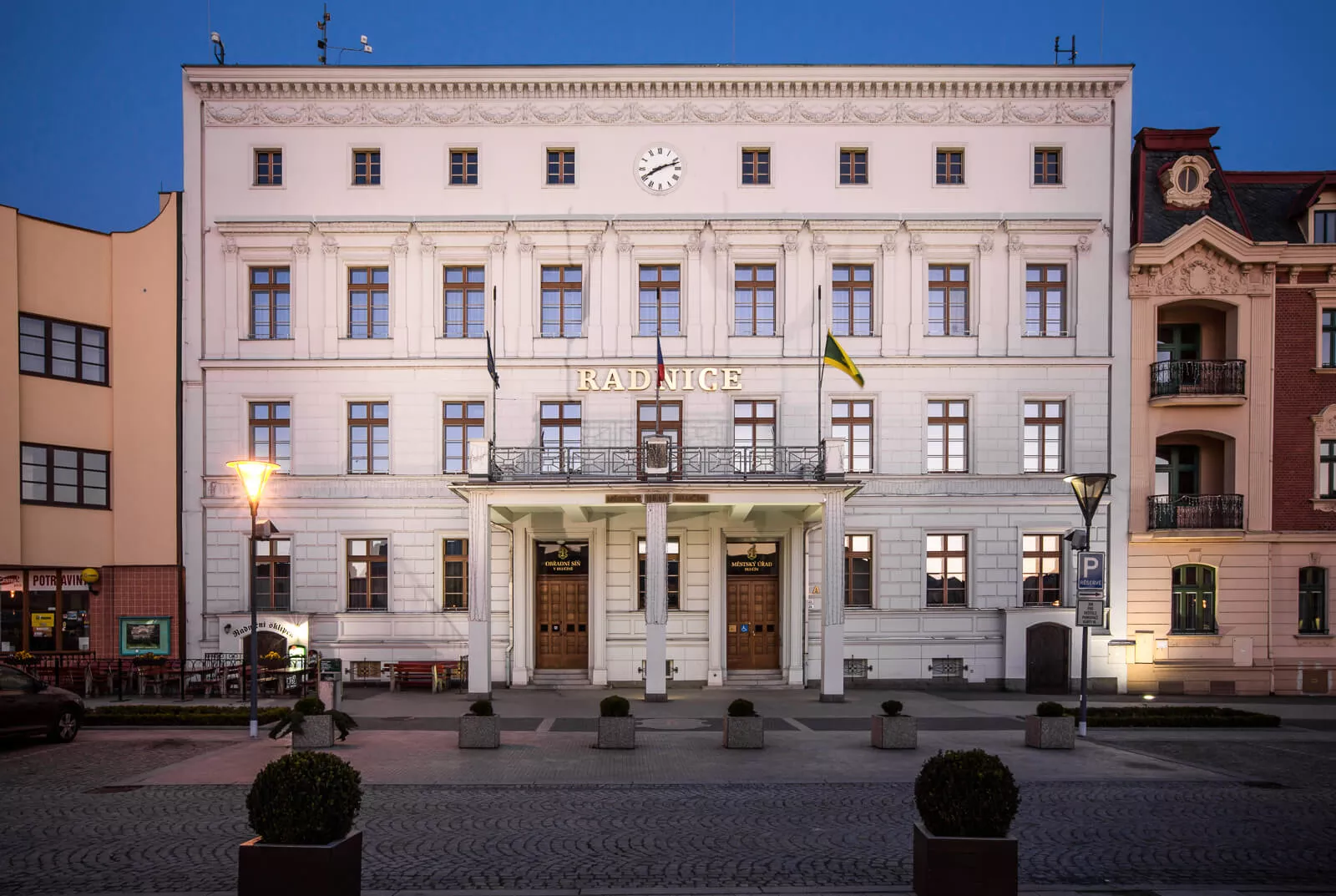
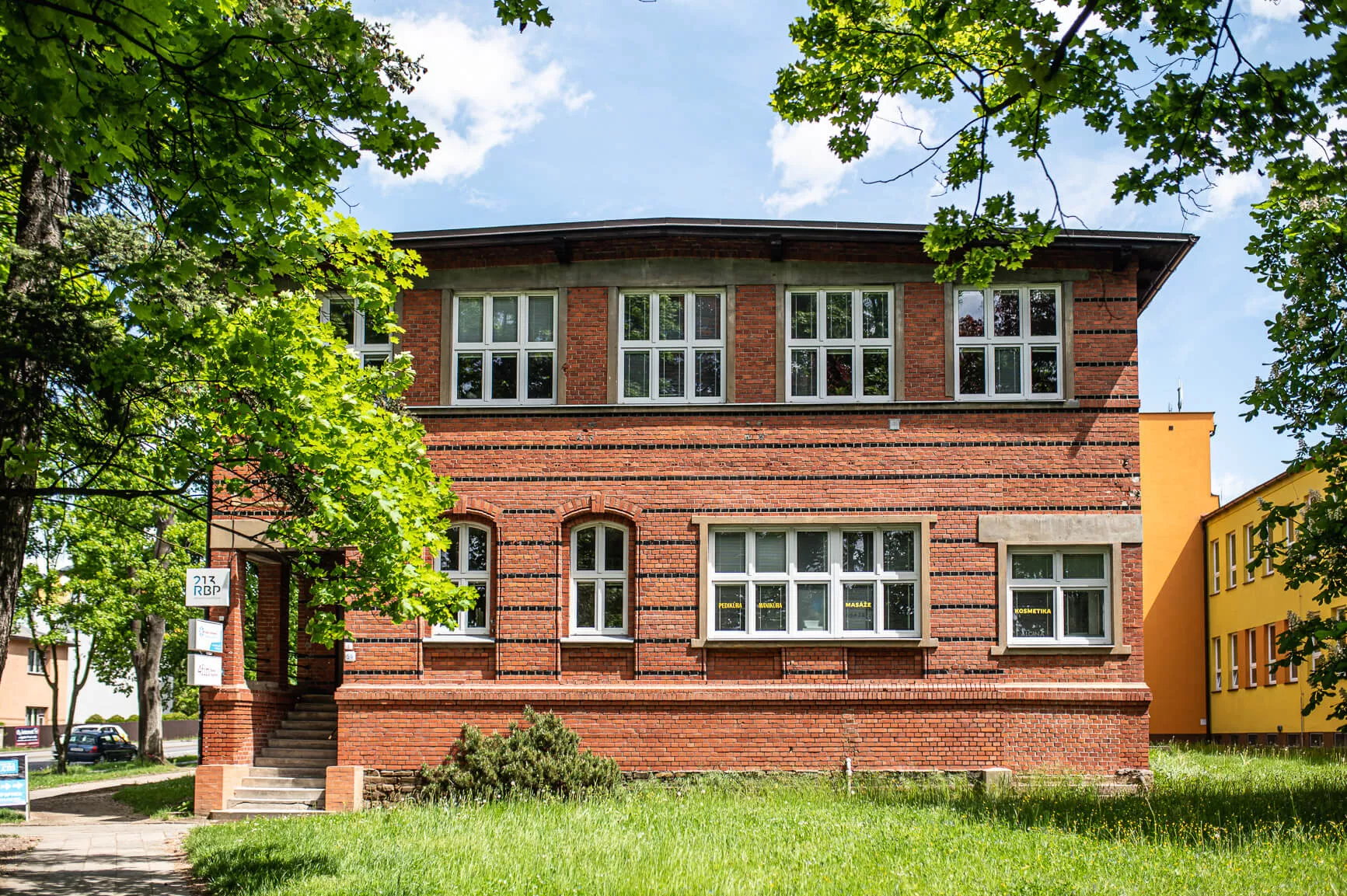
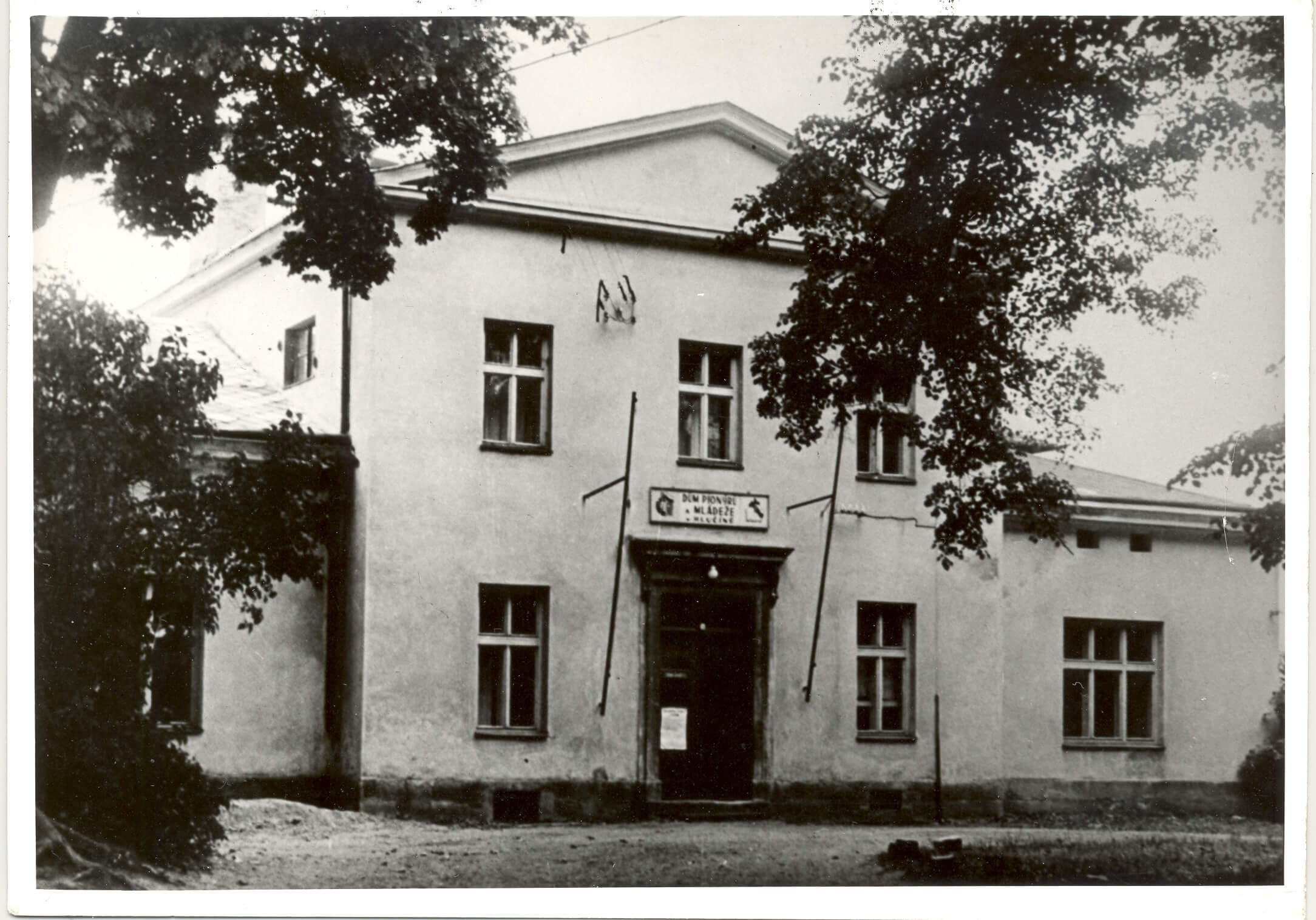
From 1920 to 1925, the building served as the temporary home of the newly established grammar school; later, it housed the tax office. From the 1950s, it operated as the House of Pioneers and Youth and, in 1973–1974, it was drastically rebuilt for that purpose. Most of the valuable architectural features and details, however, had already disappeared during adaptations in the 1950s.