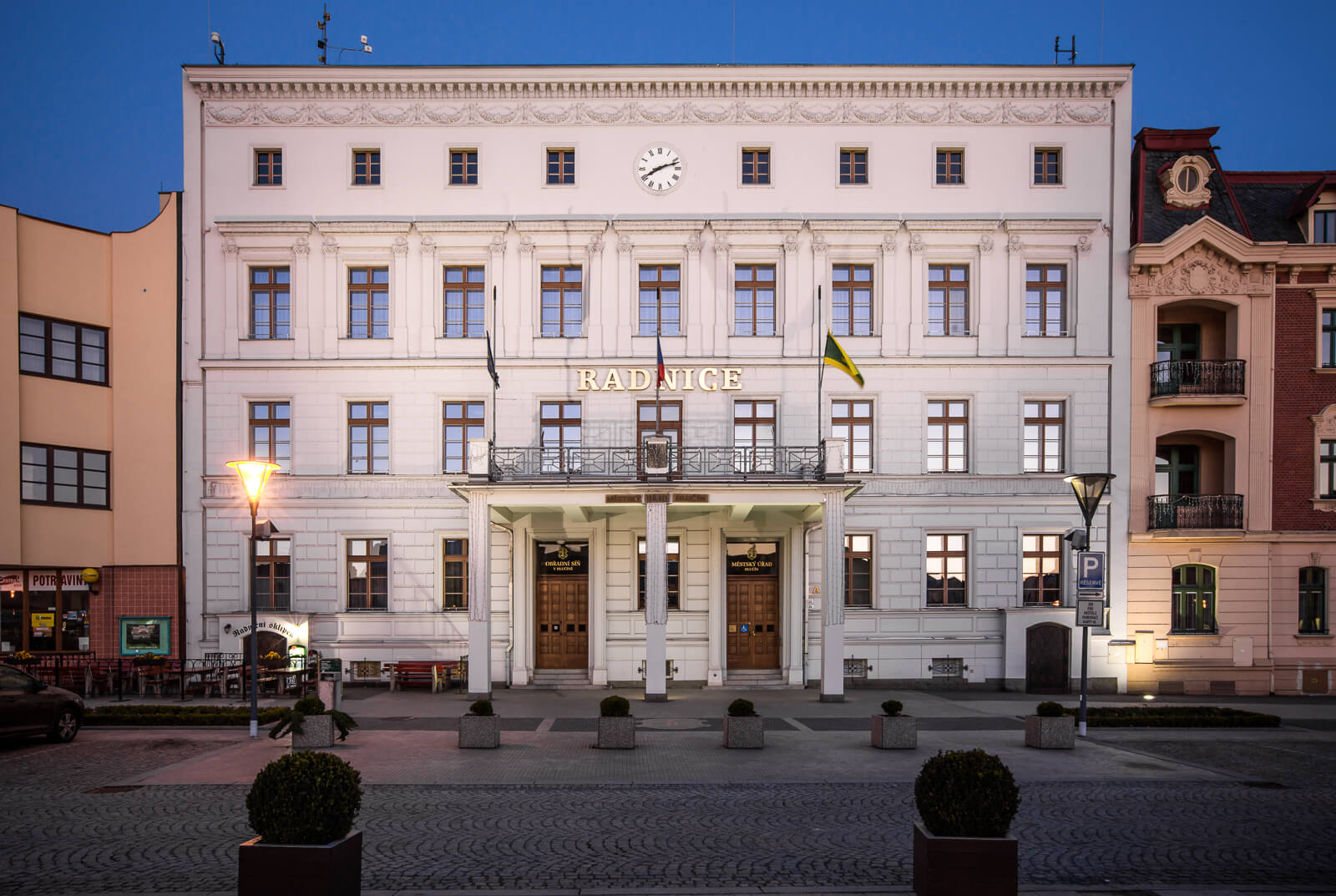
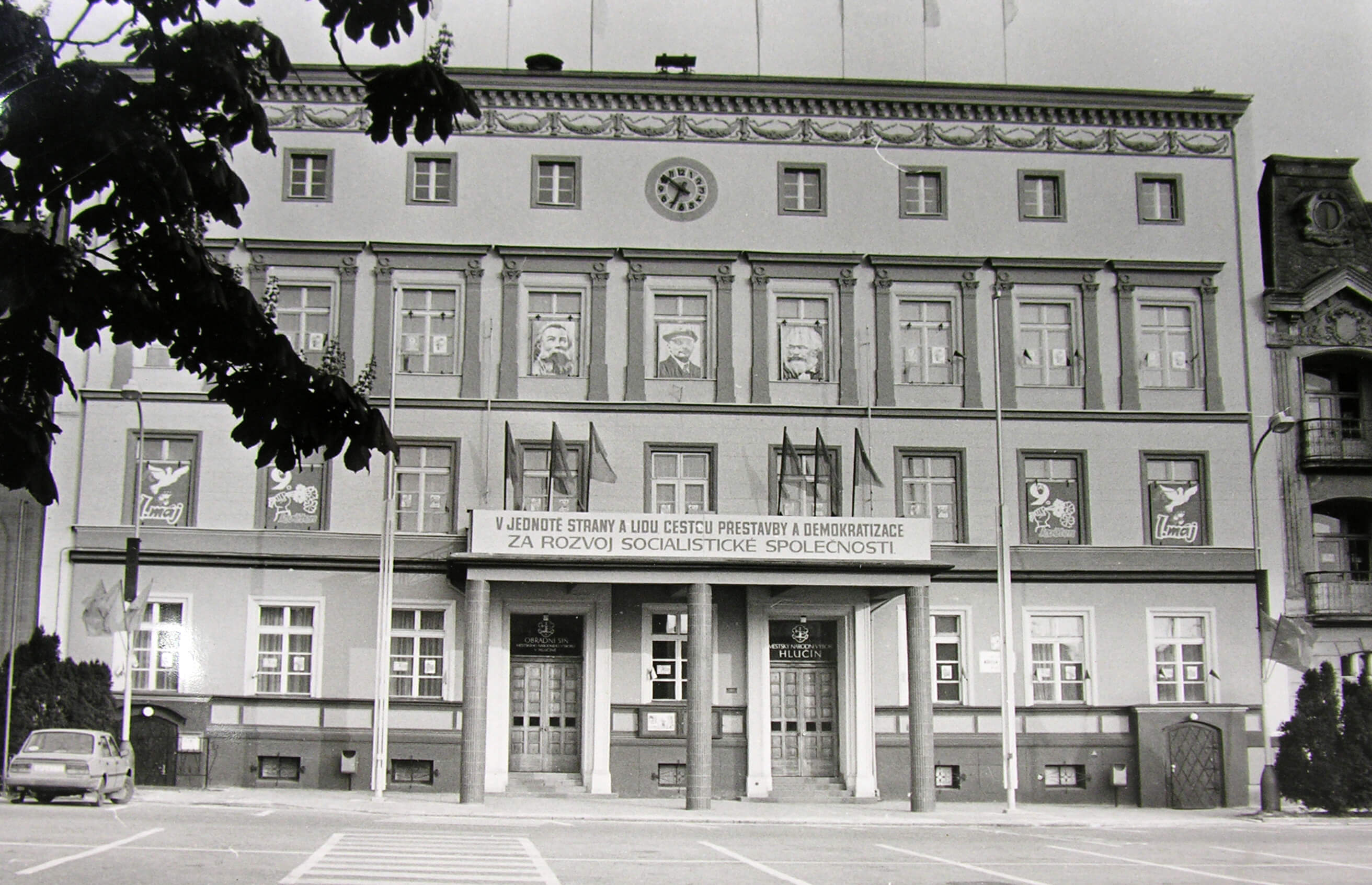
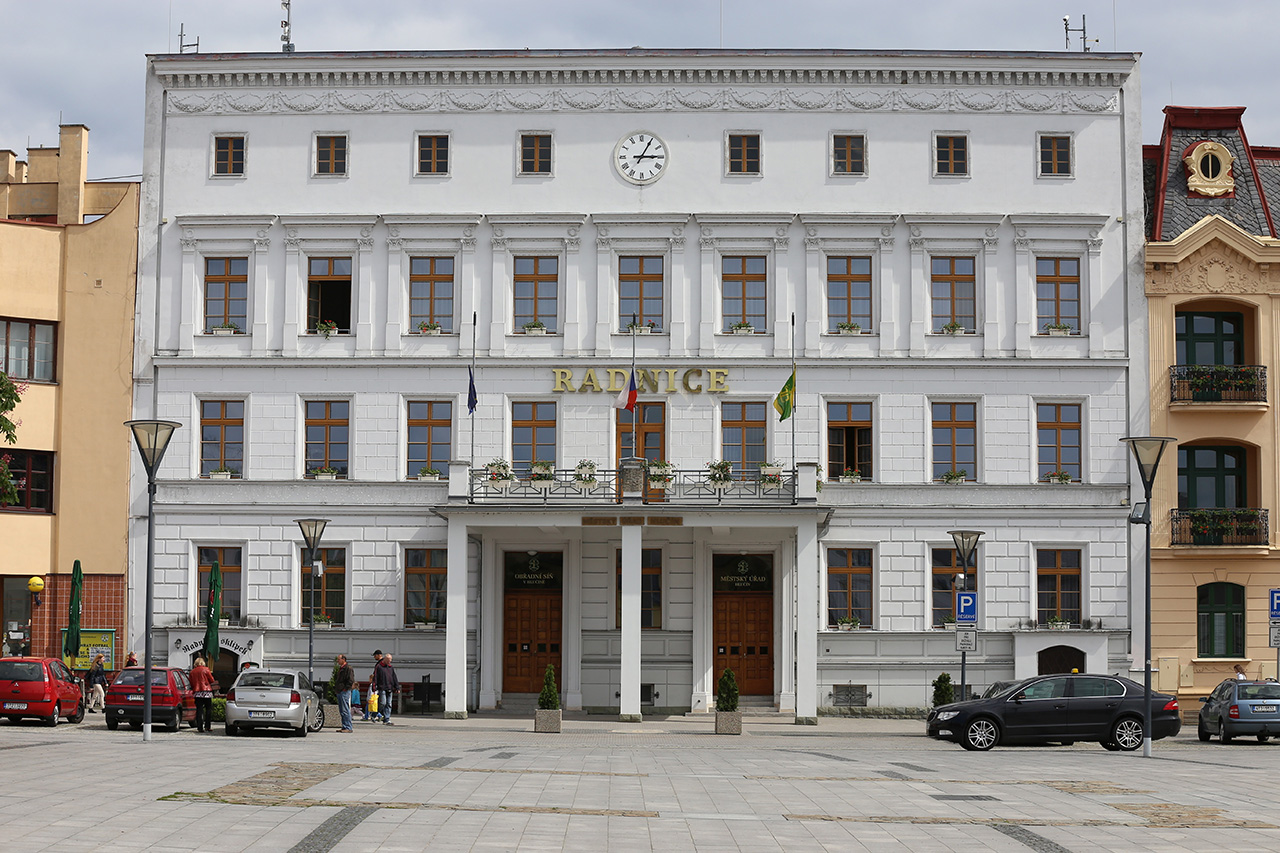
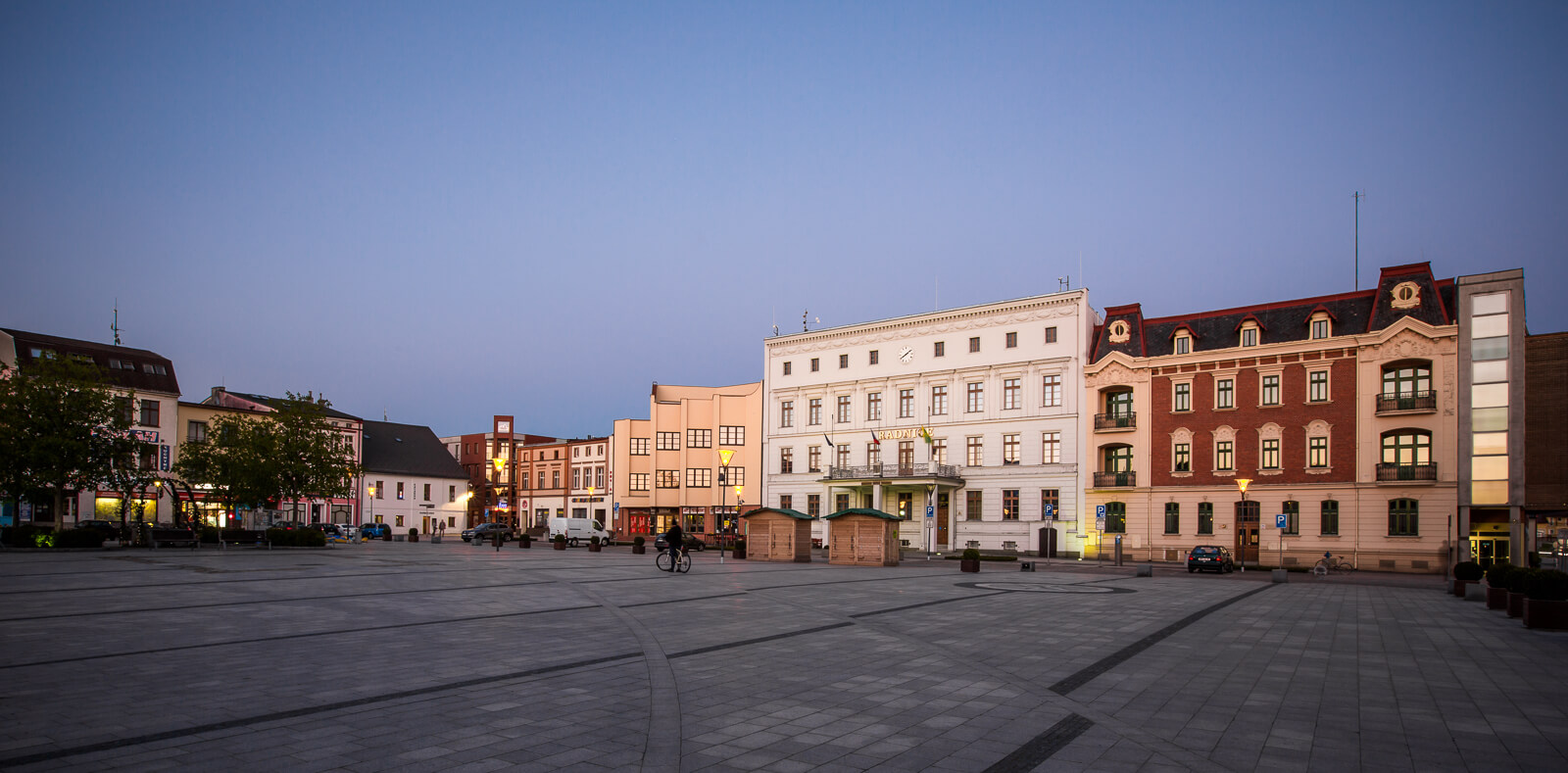
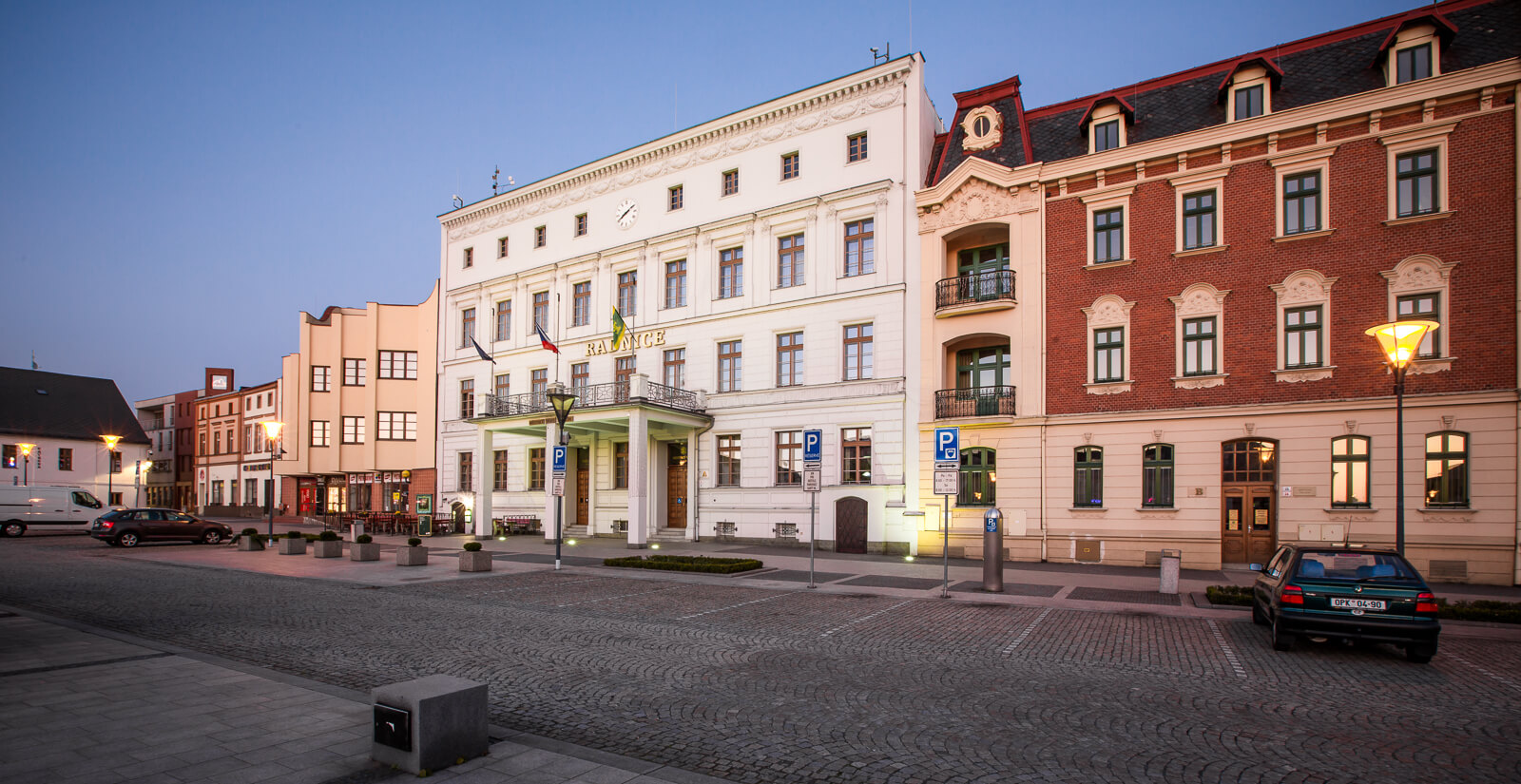
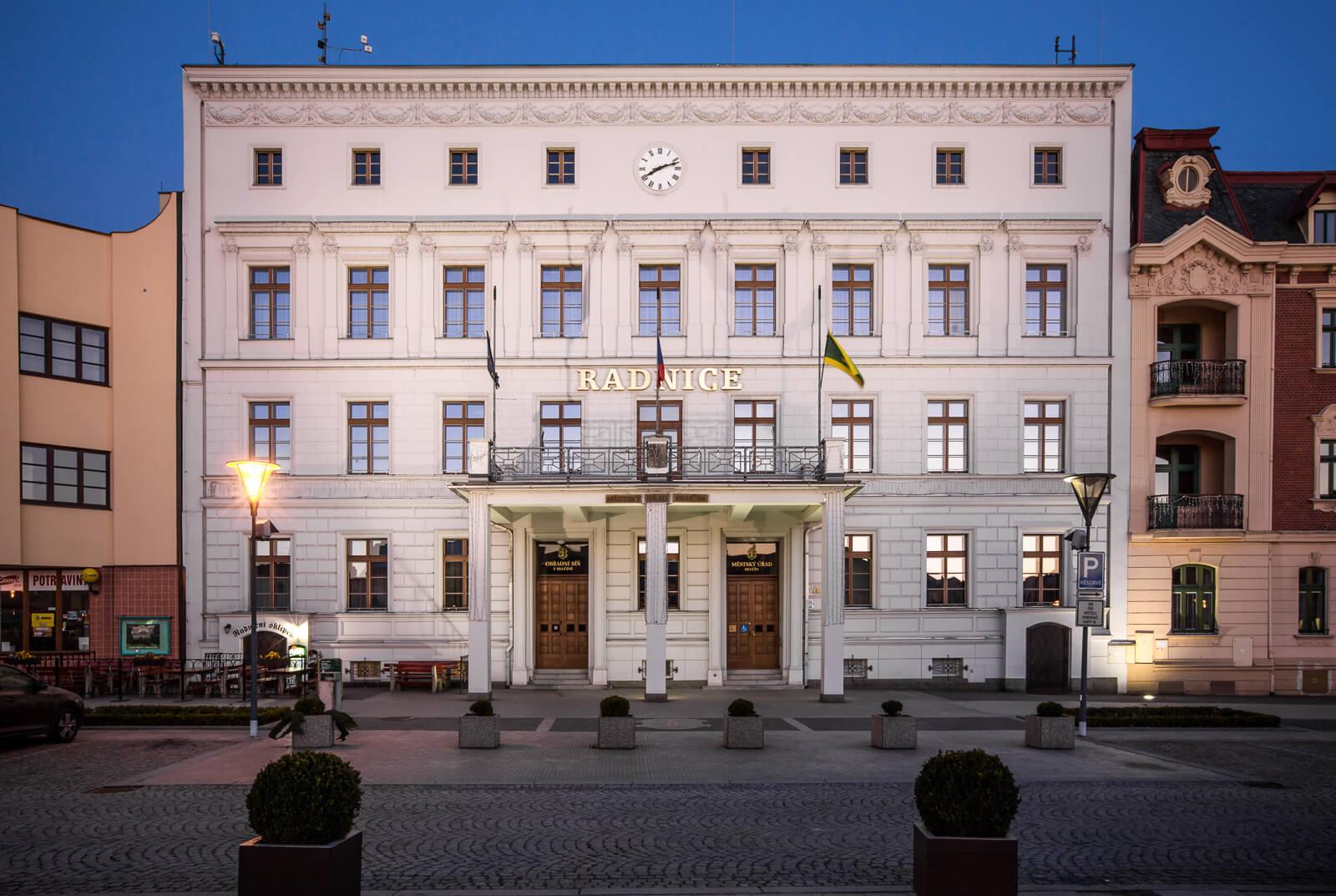
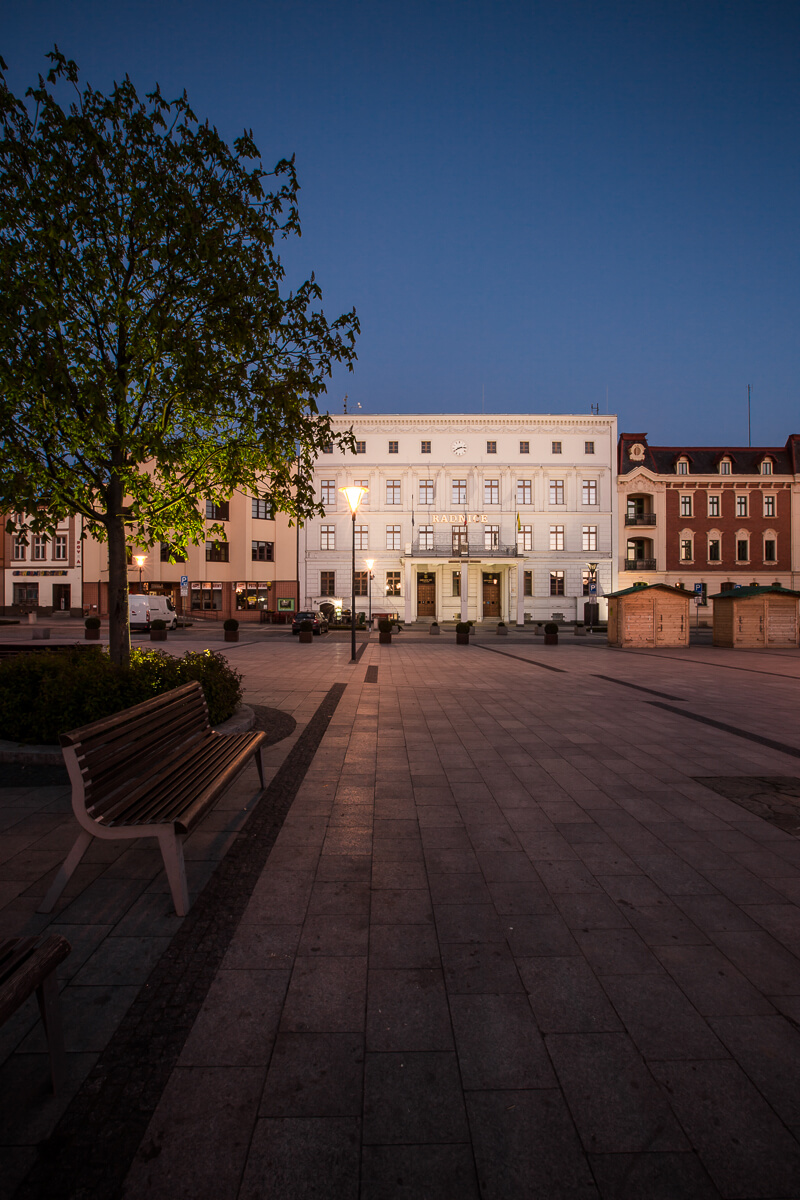
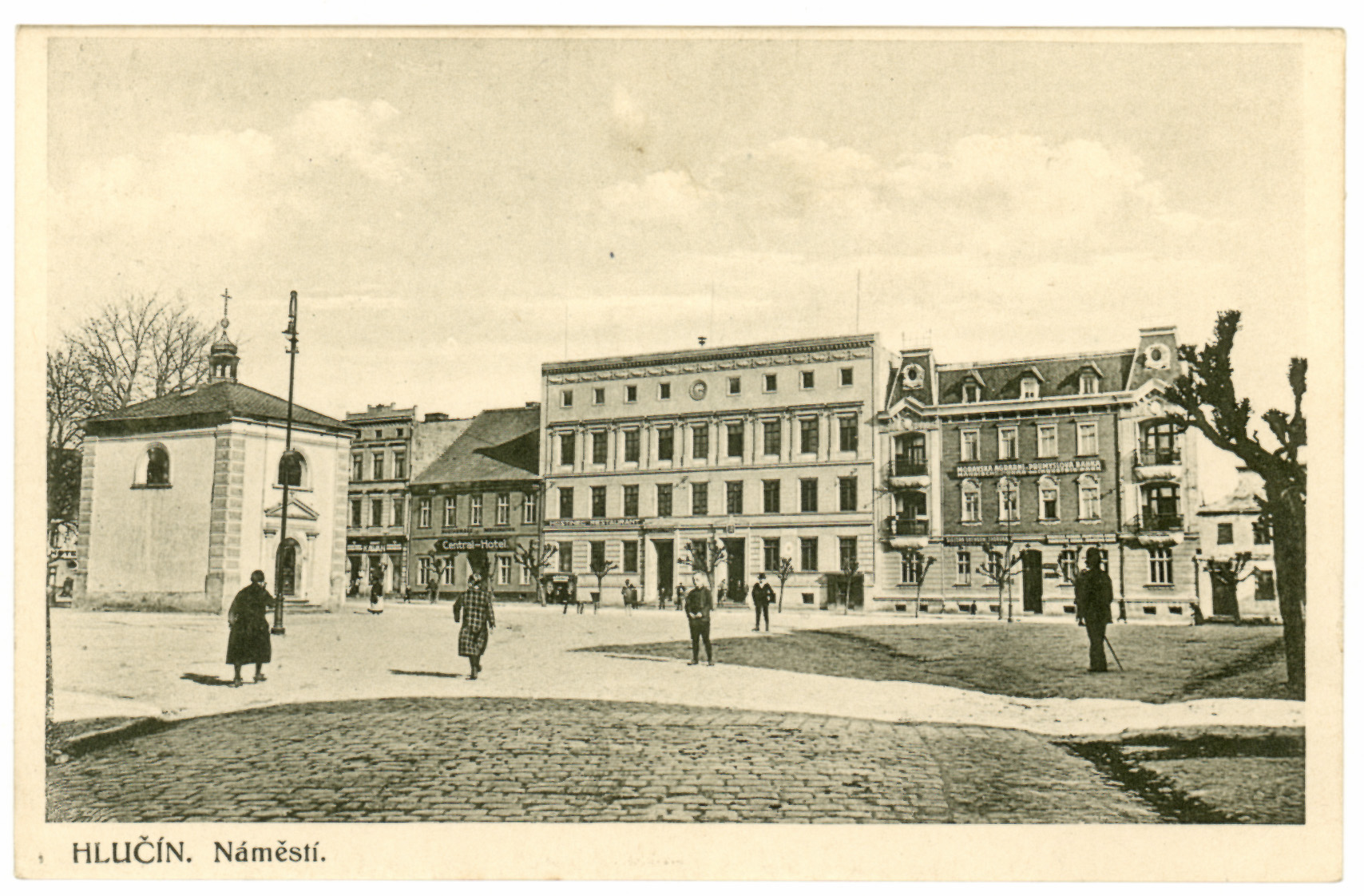
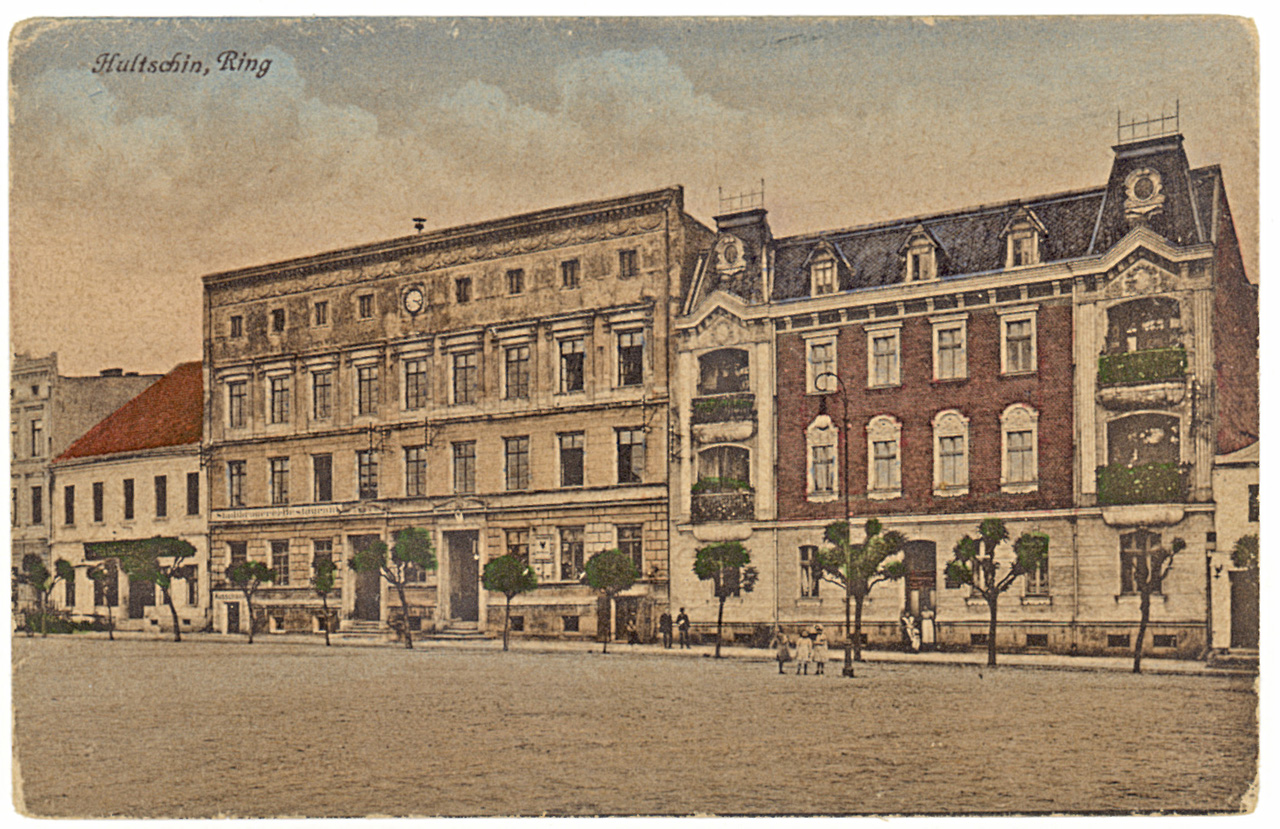
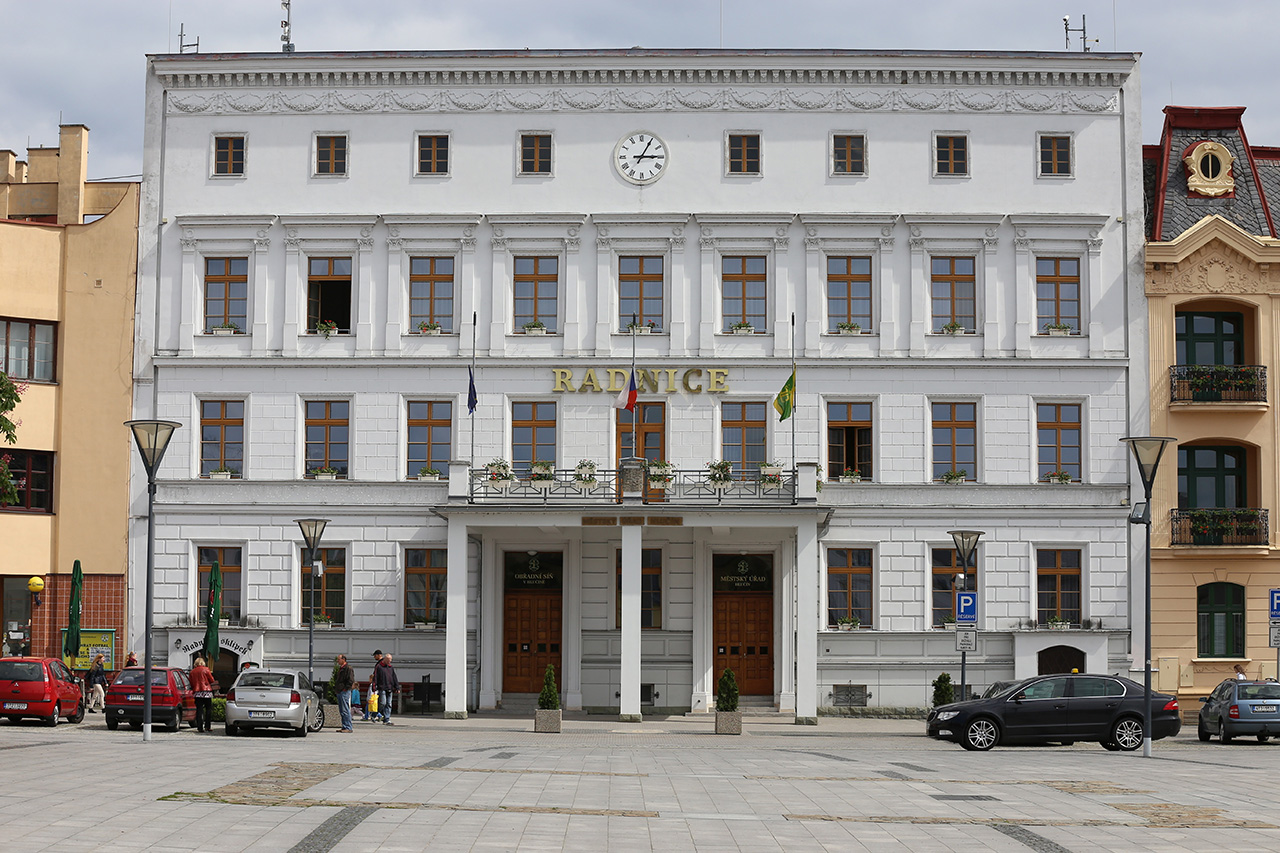
The Neo-Renaissance town hall was designed by builder Paul Jackisch (1825–1912) of Bytom, following the model of Italian Renaissance palaces of the fifteenth and sixteenth centuries. The three-storey building with a broad façade was the first in the town to disregard the original medieval plot layout. It also set a new height level for the development of the square, which was then still surrounded mainly by single-storey or two-storey houses.
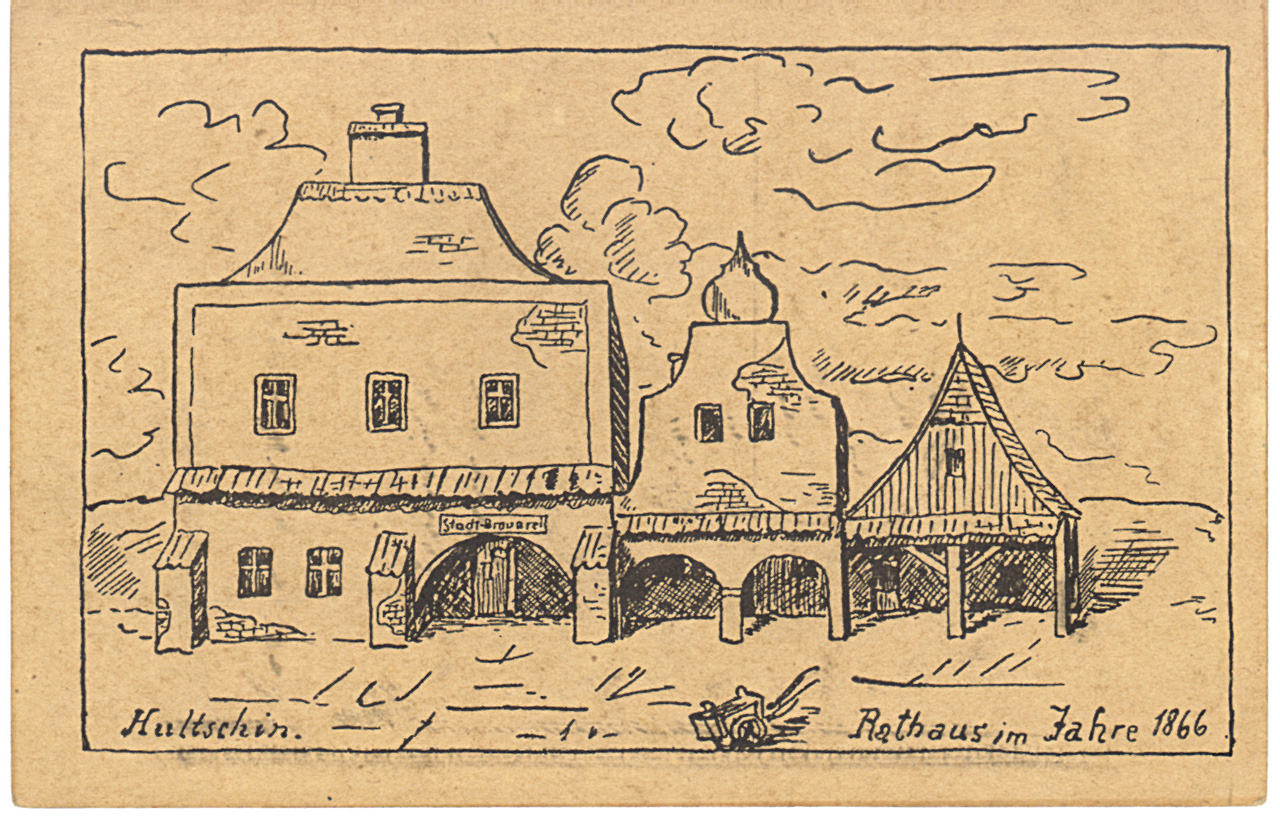
The original town hall burned down on 12 March 1761 in a town-wide fire. As early as 1765, a new single-storey brick building with a simple rectangular gable and hipped roof was completed, but it was architecturally unremarkable. The construction of a new landmark town hall dates from the tenure of Mayor Arnošt Lorenz (1858–1876), and was preceded by the purchase of two adjoining houses. In March 1867, the old hall and the neighbouring buildings were demolished, and on 24 April the foundation stone of the new structure was laid. It was completed the following year.
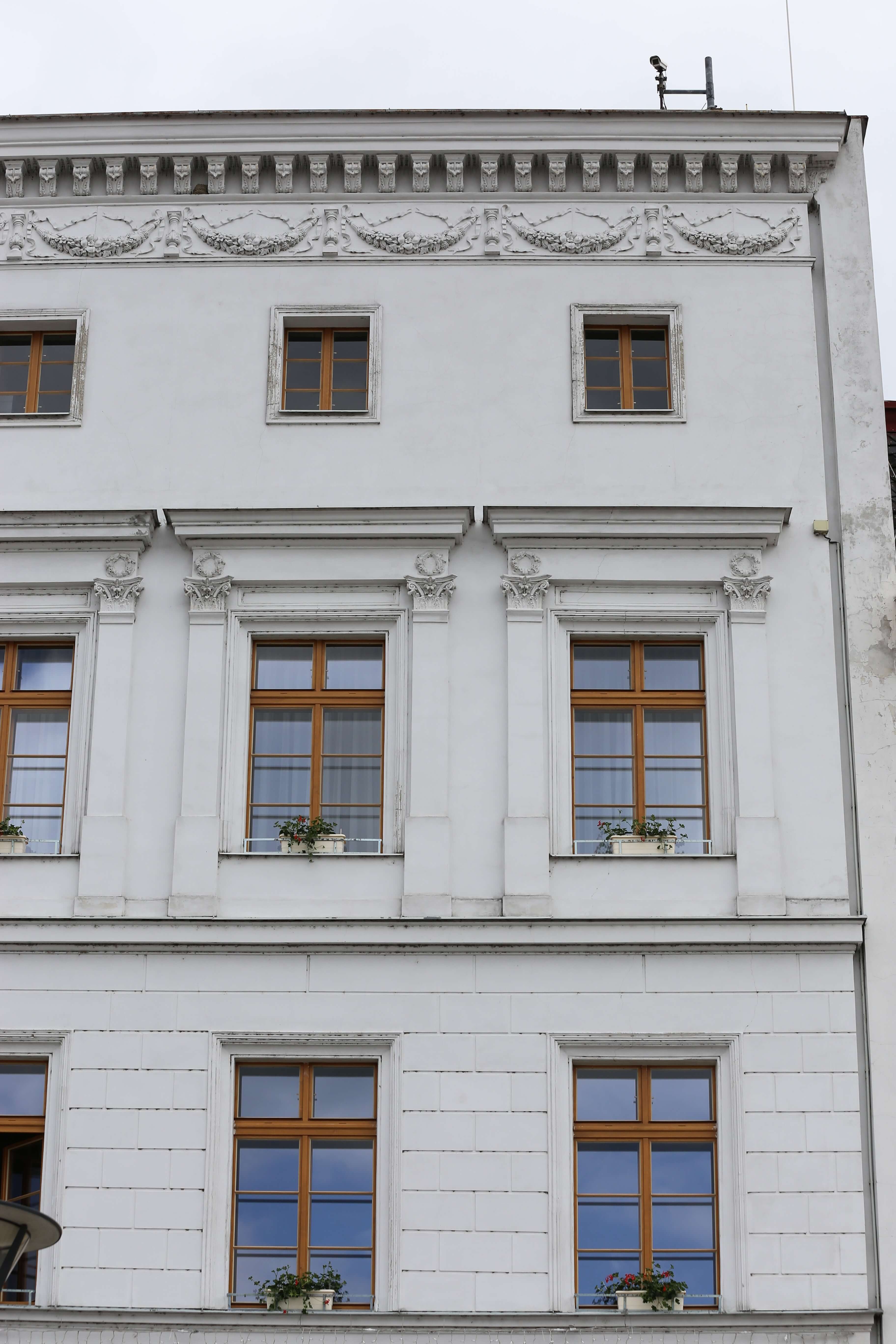
The relief decoration of the façade, in keeping with Renaissance tradition, is based on a gradual refinement of ornamentation on each successive floor: the rusticated ashlar of the ground floor becomes finer on the first floor, and on the next is replaced by smooth plaster. The windows on this level are framed by decorative pilasters with Corinthian capitals supporting an entablature adorned with laurel wreaths. In the centre of the façade, beneath the crowning cornice with hanging garlands, is a circular clock. Its regular chime has long formed part of the town’s soundscape. The balcony portico above the entrances was added in the early 1950s.
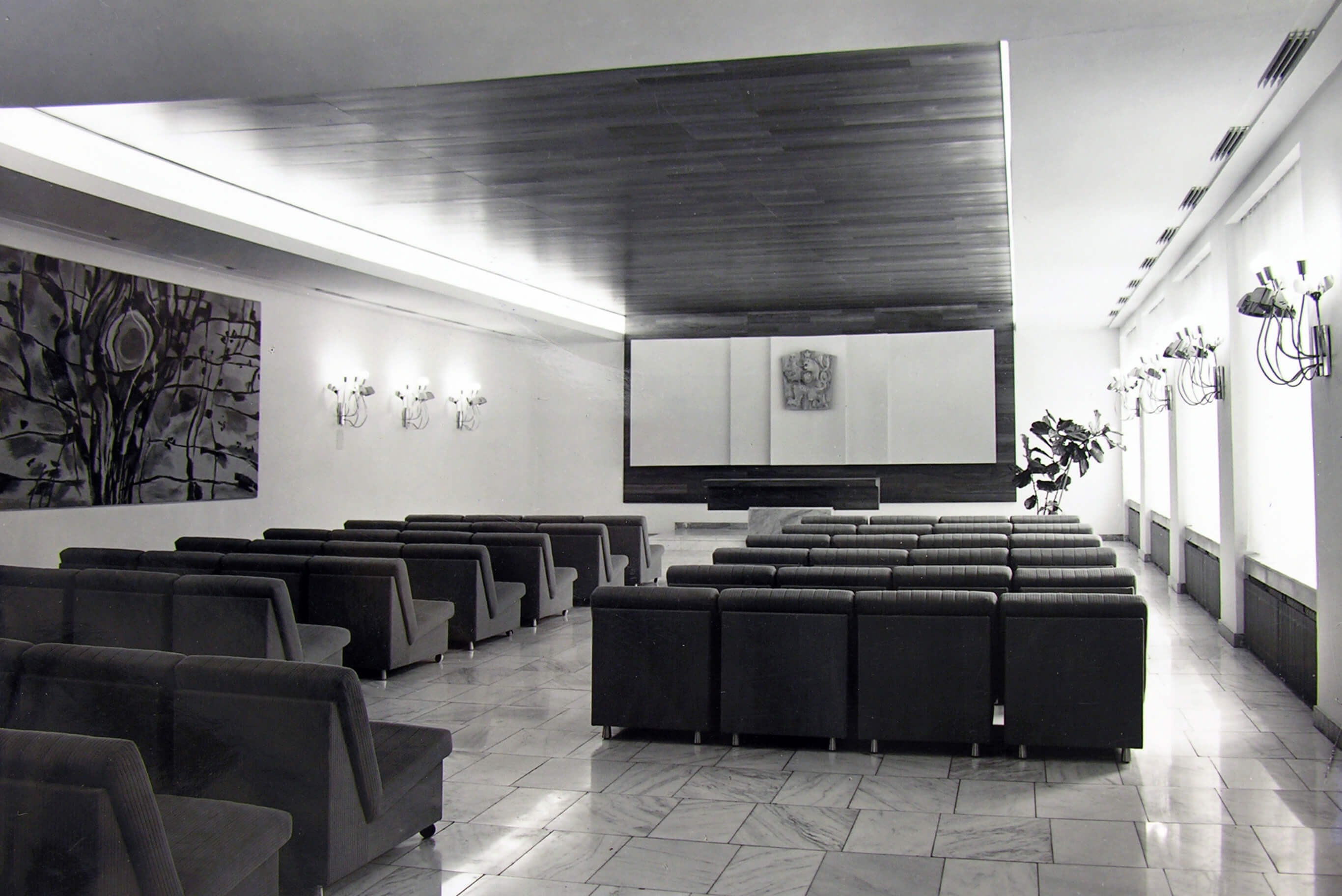
Inside, the entrance hall with a vaulted ceiling supported by two cast-iron columns is particularly notable. Set into the vestibule wall is the heraldic plaque of Bernard of Zvole, dating from around 1530 and removed from the demolished Opavská Gate. In 1959, a ceremonial hall was inserted, and then elegantly refurbished in 1975 according to a design by the architect Josef Barták (b. 1942). Its interior was complemented by Pavel Herynek’s (b. 1943) tapestry Tree of Life (1975) and, in the adjoining room, by Vincenc Havel’s (1906–1992) marble sculpture Female Torso (1973).