


If we were to visit Hlučín in the second half of the eighteenth century, the town would scarcely leave a lasting impression. For several decades following the Treaty of Wrocław in 1742, it had formed part of the Kingdom of Prussia and was only slowly coming to terms with the fact that the trade route from Opava via Moravská Ostrava to Těšín no longer passed through it. Roughly a thousand inhabitants, almost all Catholics, lived in some 165 houses.
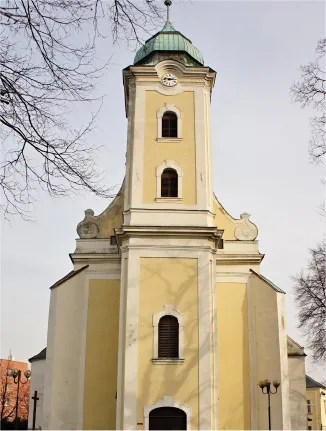
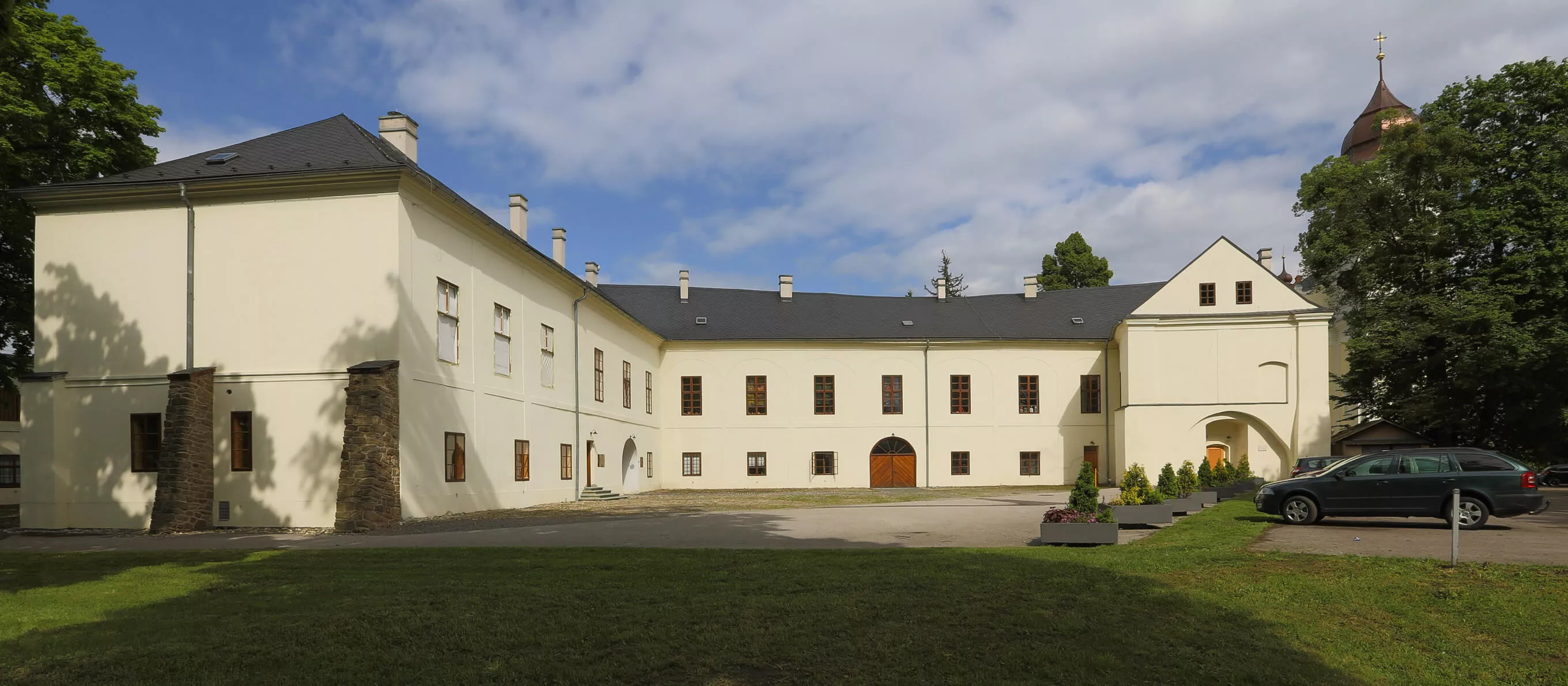
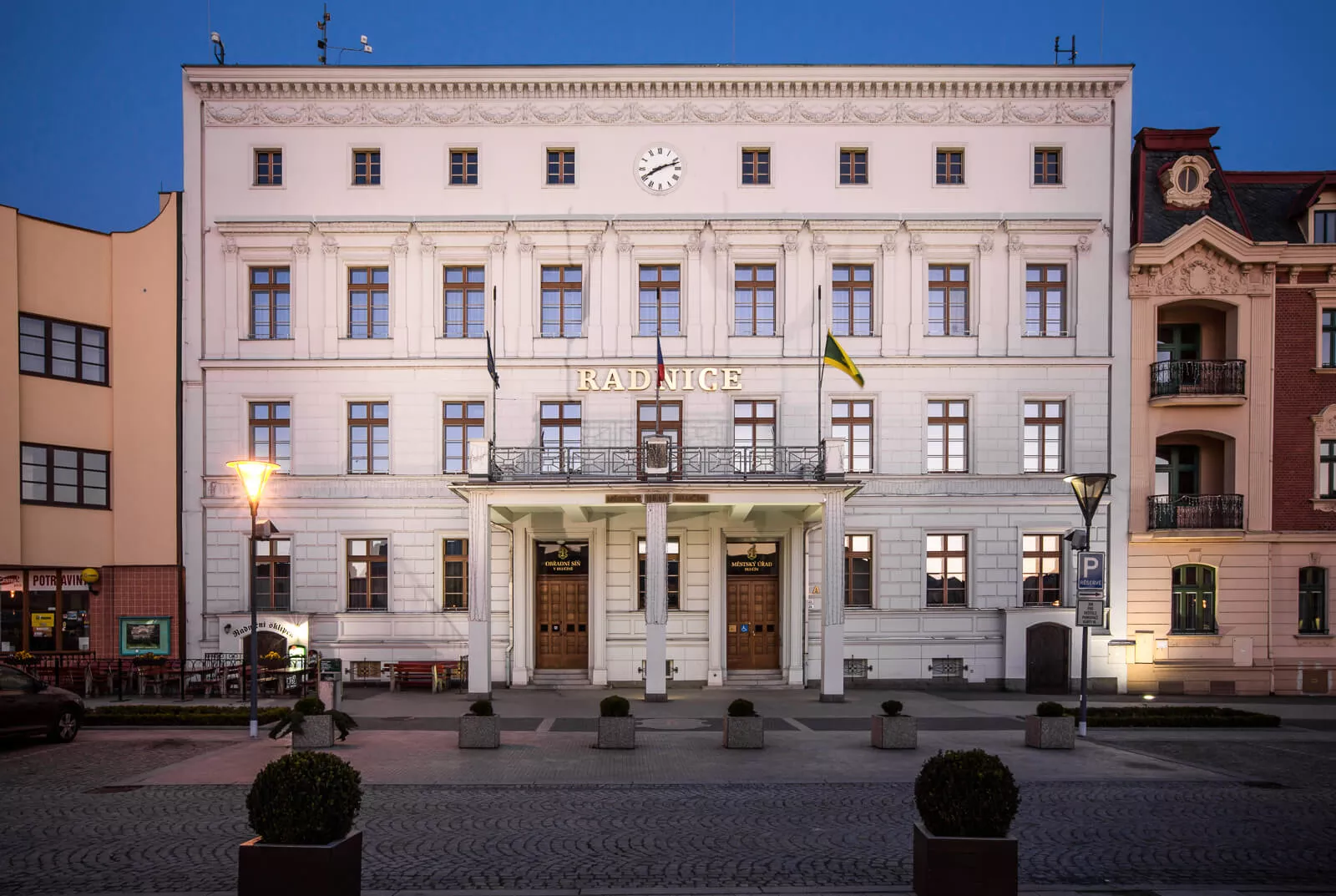
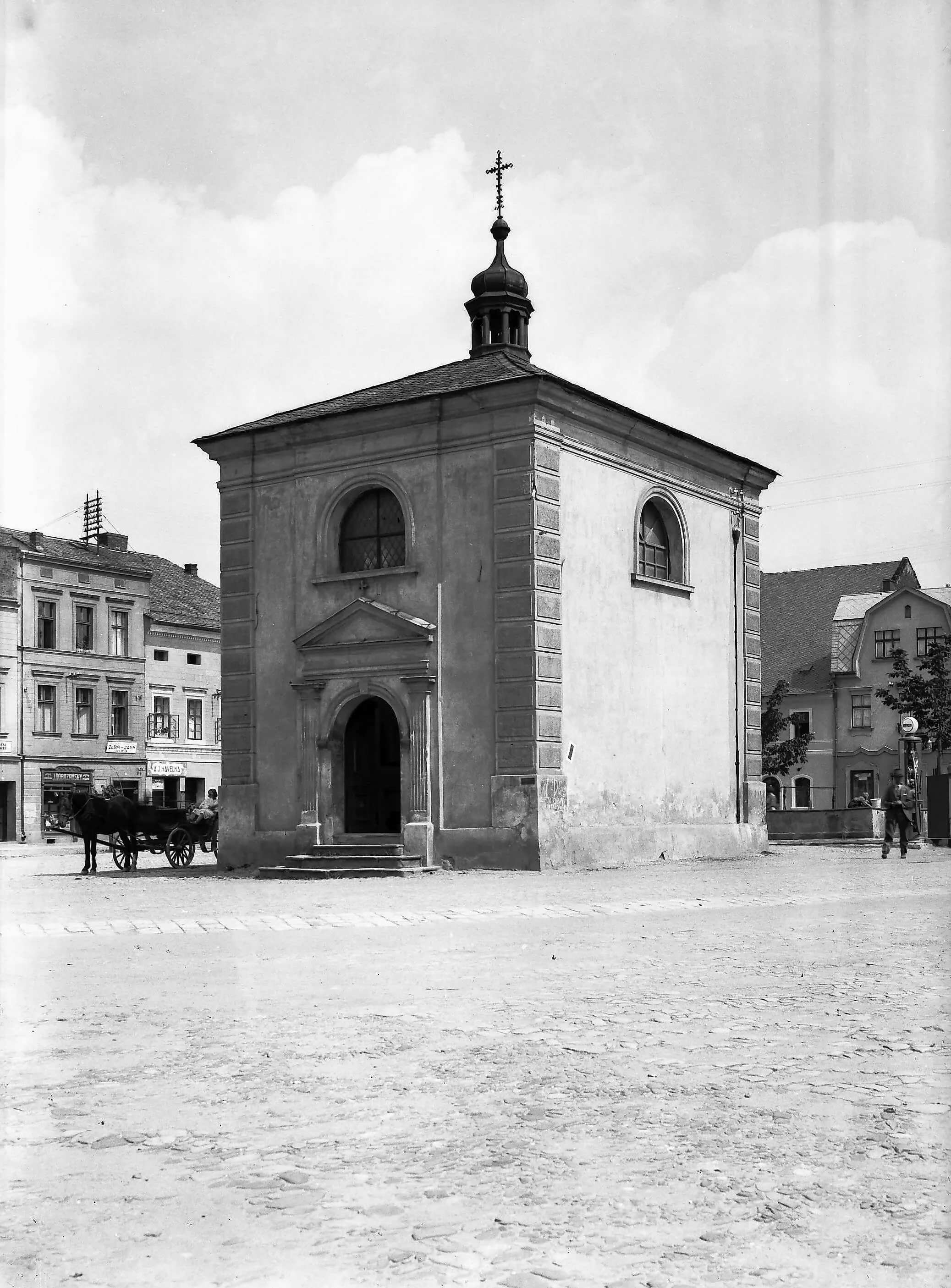
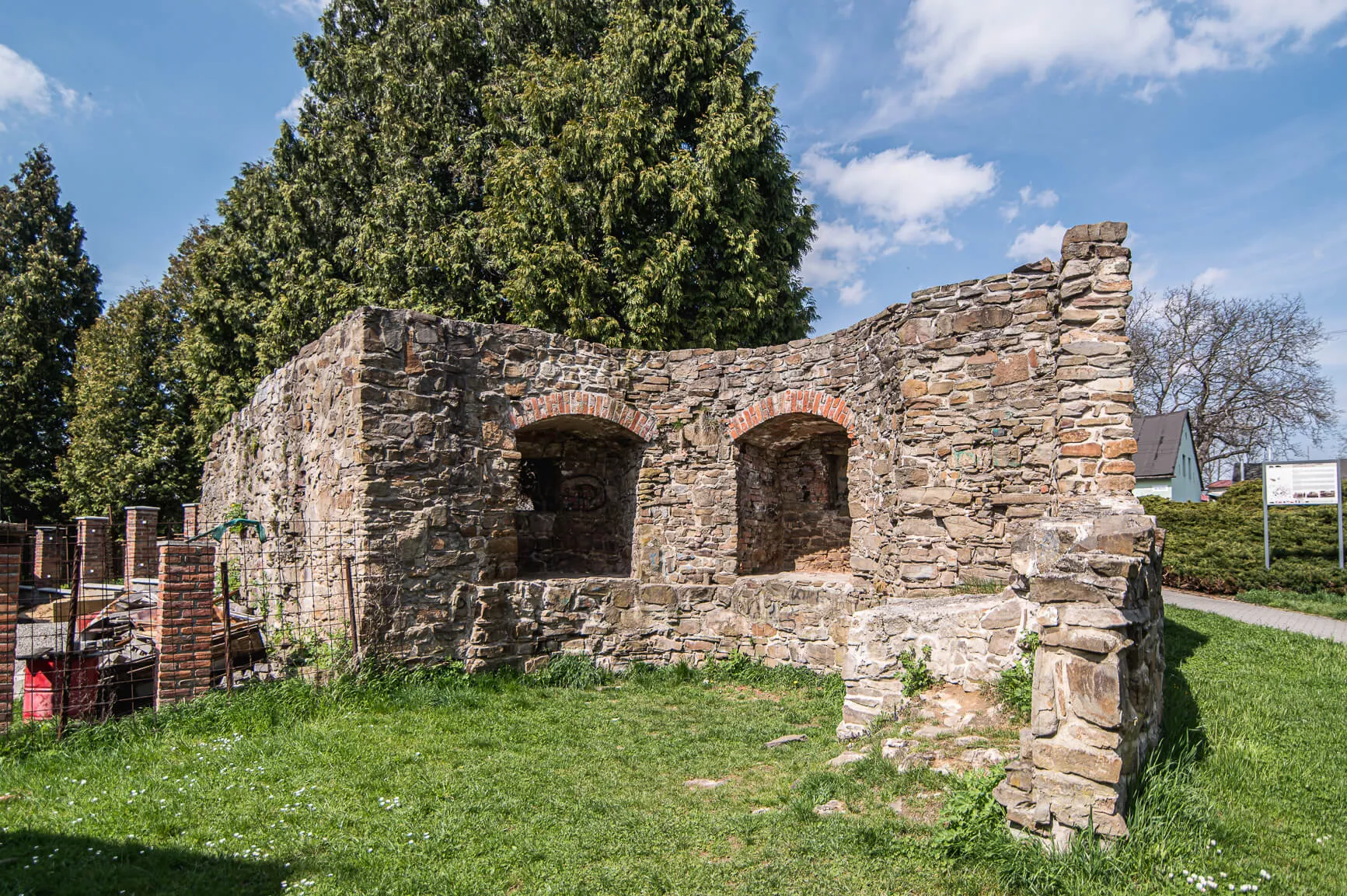
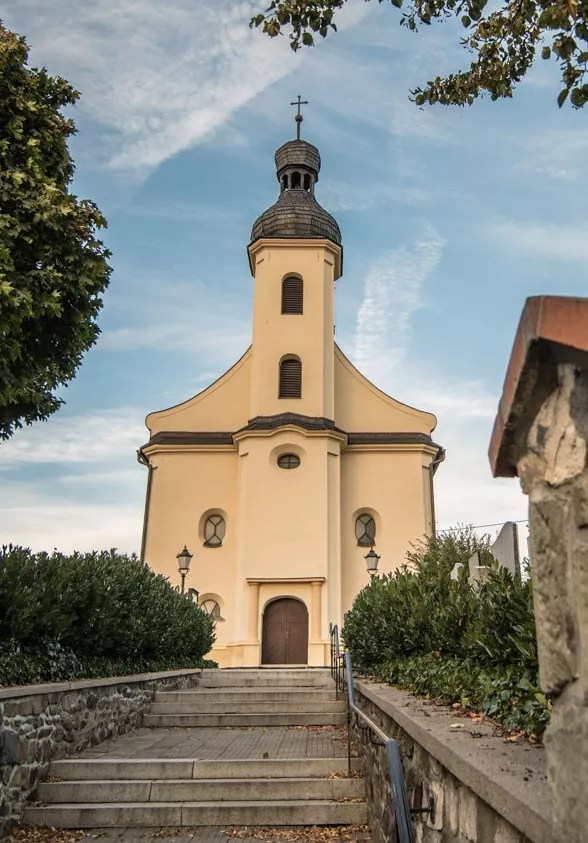
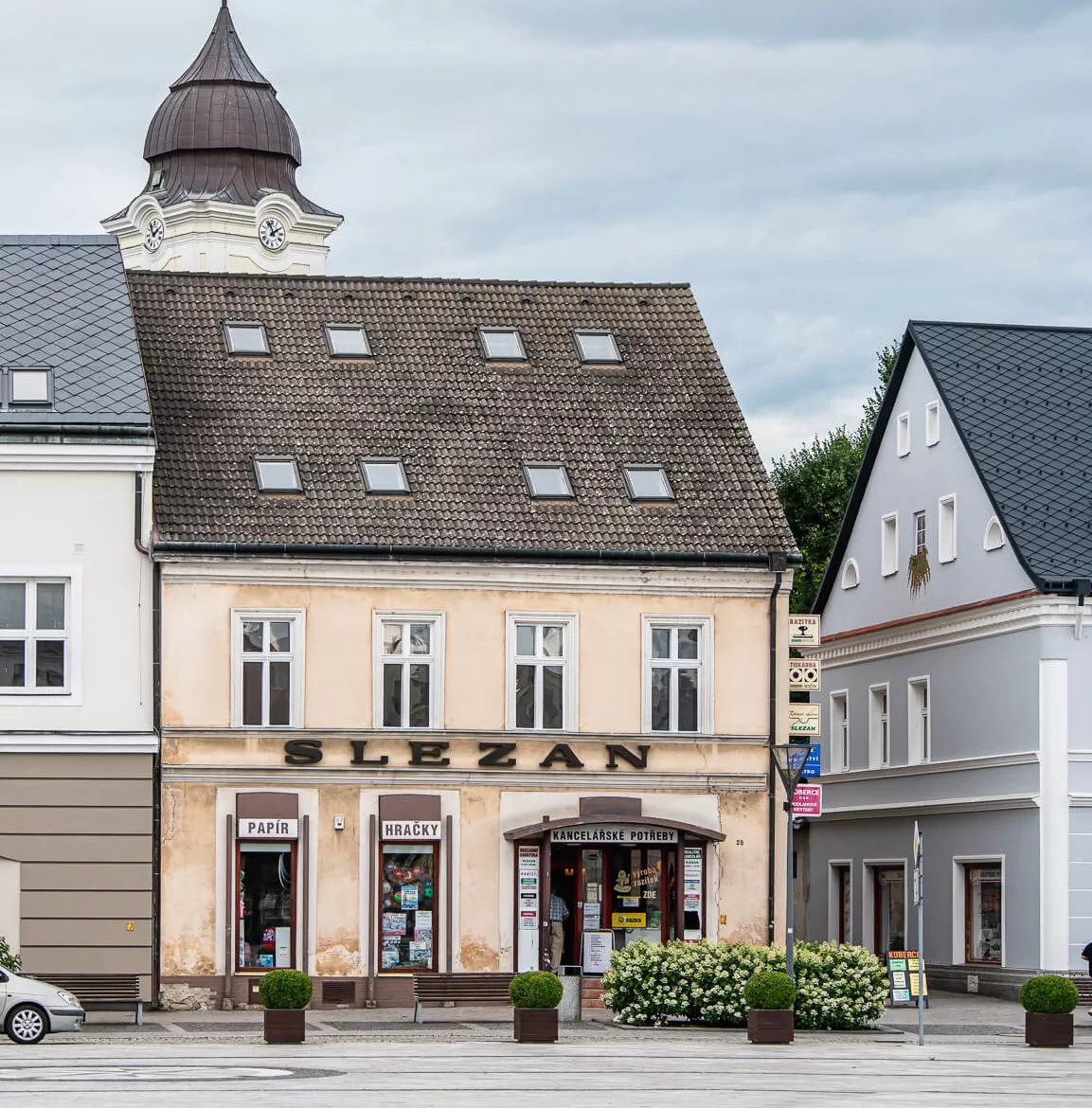
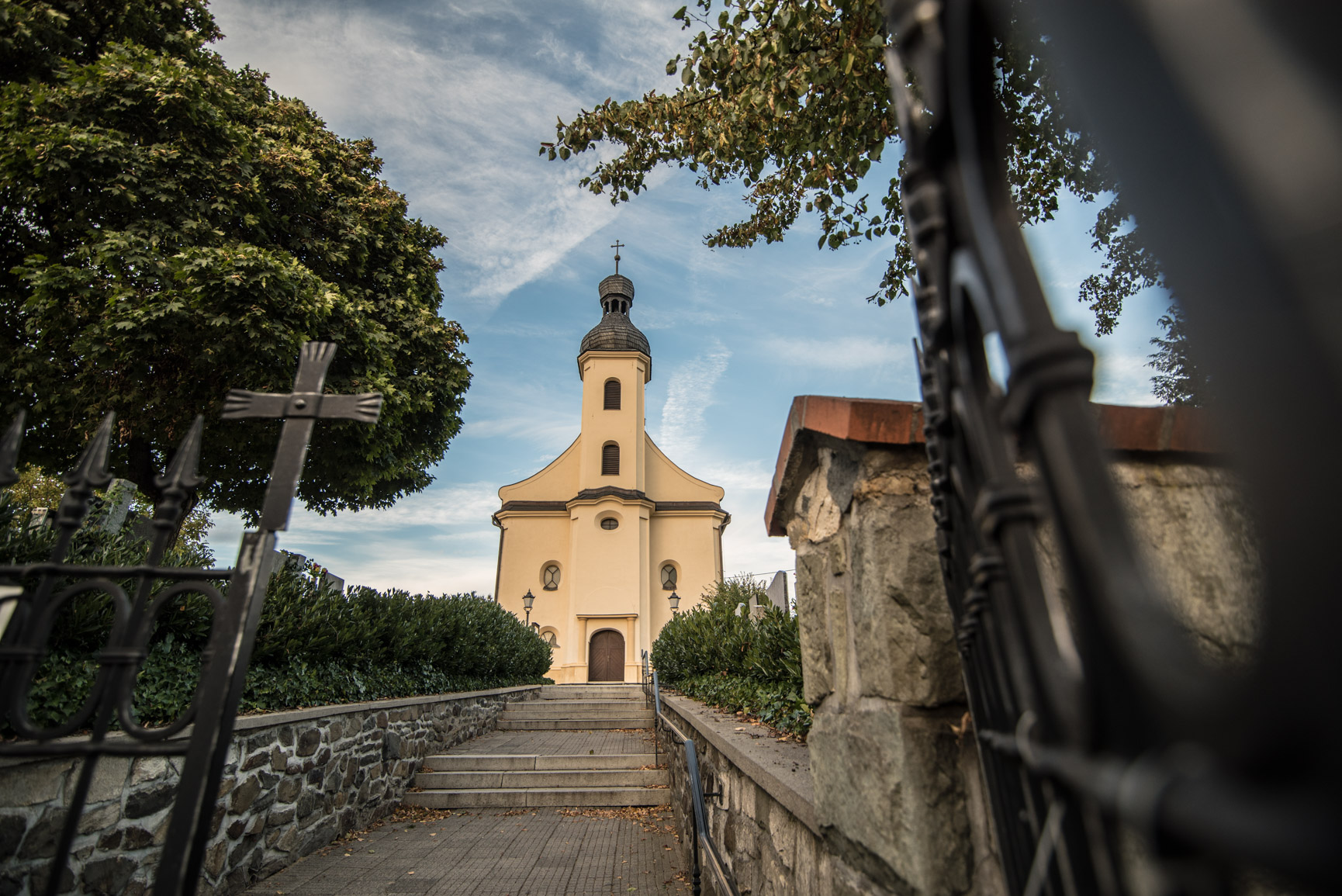
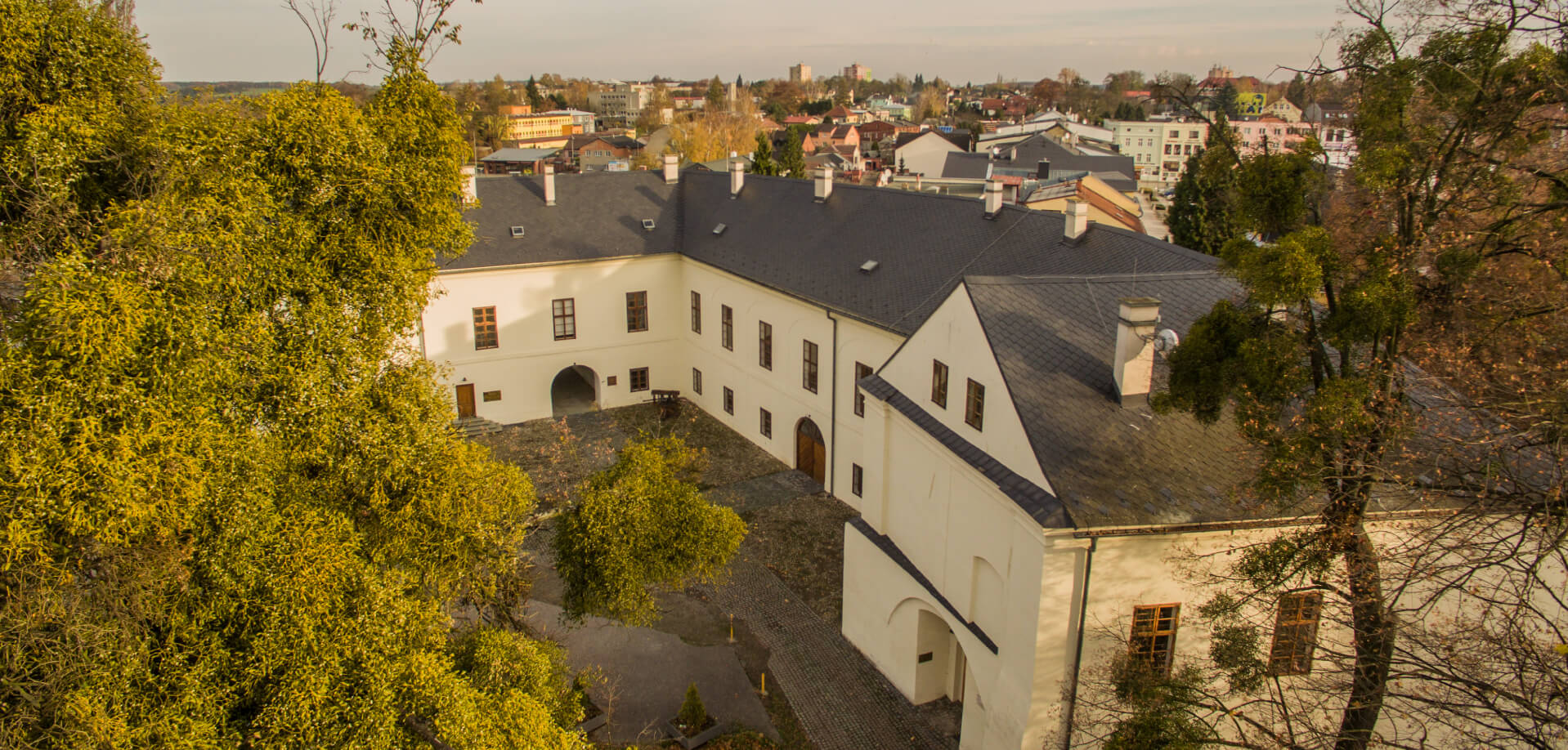
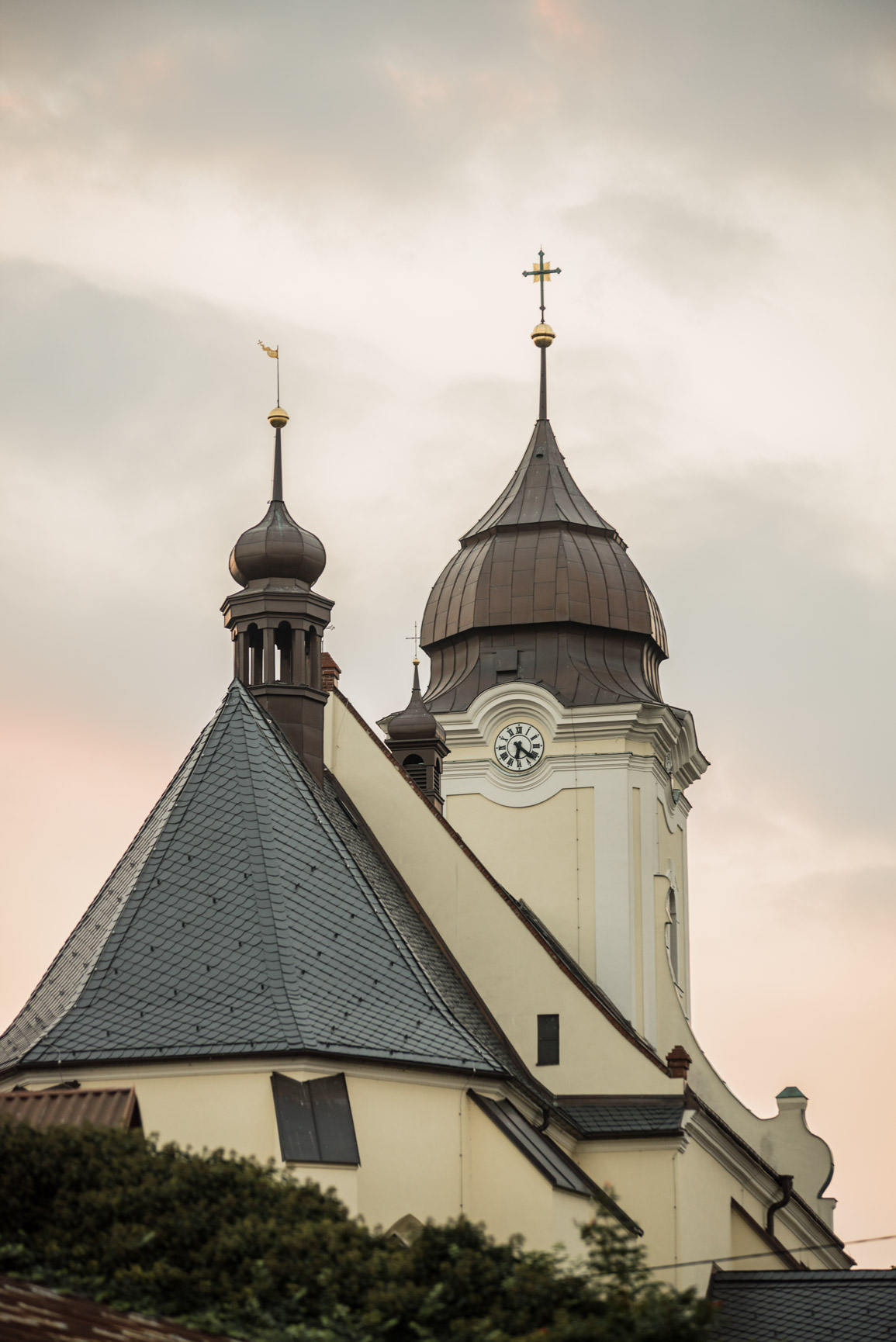
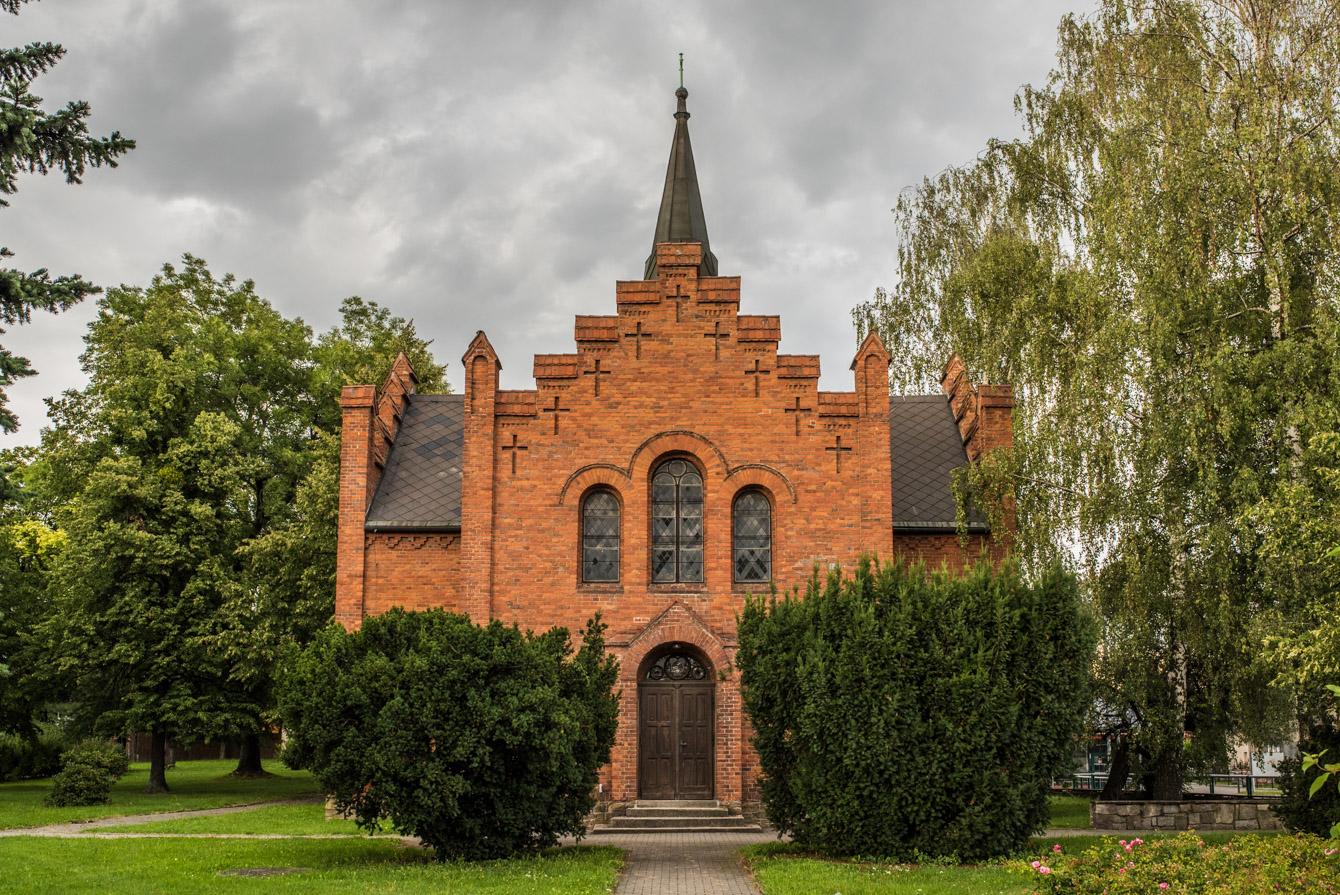
Seen from afar, Hlučín’s silhouette would reveal a town enclosed by a ring of fortifications built between 1525 and 1535, with gates on the eastern and western sides. Development beyond this medieval boundary remained limited. On the Opava side, besides the complex of the manor court, stood the brick Church of St Mary Magdalene, while the street Na Valech was lined with a few modest cottages. To the east, the settlement of Dlouhá Ves, with its cemetery and small wooden church of St Margaret, adjoined the town directly. Dominating the skyline was the Gothic parish Church of St John the Baptist, with its steep gabled roof and small sanctus turret along the ridge. Unlike today’s view, there was no front tower, since the original had collapsed in 1597 and the belfry was not rebuilt until the end of the eighteenth century. Apart from the gate towers and the low turrets of the two suburban churches, the only vertical accent in the town’s silhouette was the clock tower of the Renaissance château – later remodelled in Baroque style – next to the parish church. The buildings around the square were far from imposing, not least because most of the single-storey arcaded houses were still half-timbered. The town’s appearance also suffered greatly in March 1761 during a devastating fire that destroyed not only the eastern and western rows of houses on the square, but also the town hall, the Chapel of St John of Nepomuk, the brewery and malthouse near the château, and several outbuildings of the manor court on the Opava side of the town. In 1776, the suburban Church of St Mary Magdalene, dating from the sixteenth century, was demolished due to its poor condition.
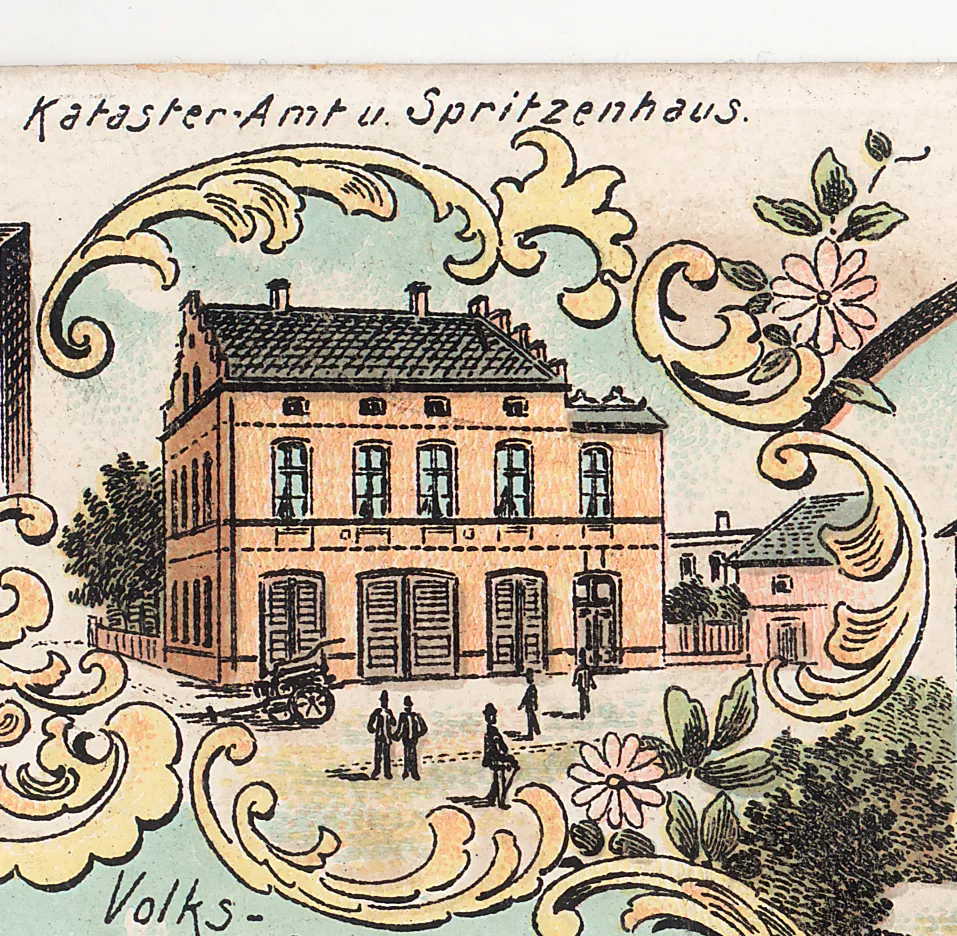
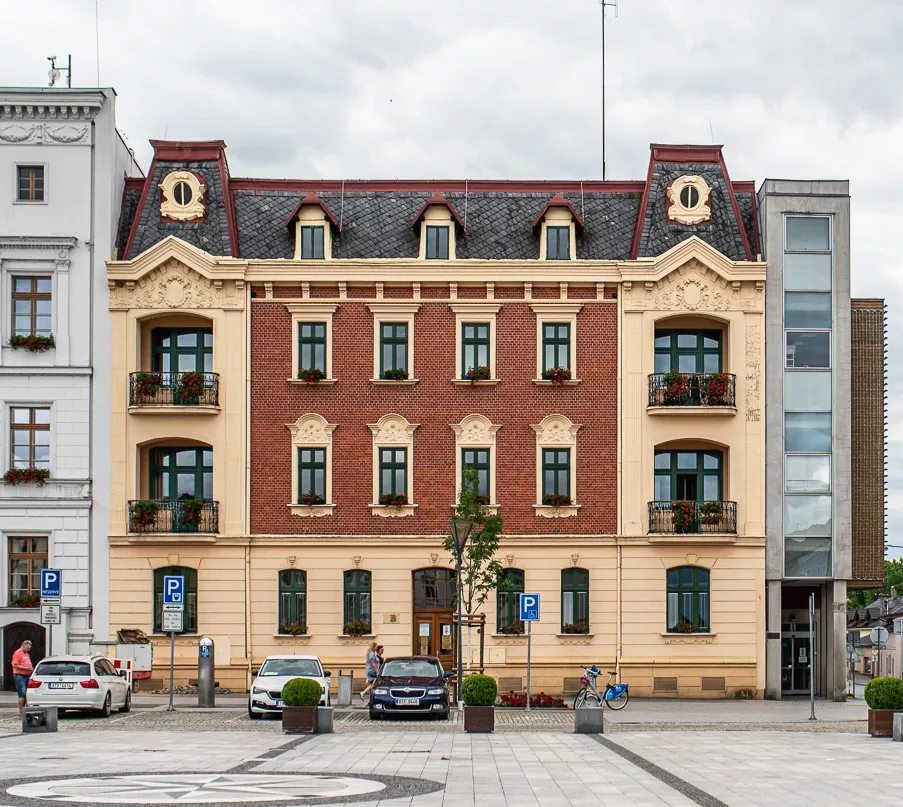
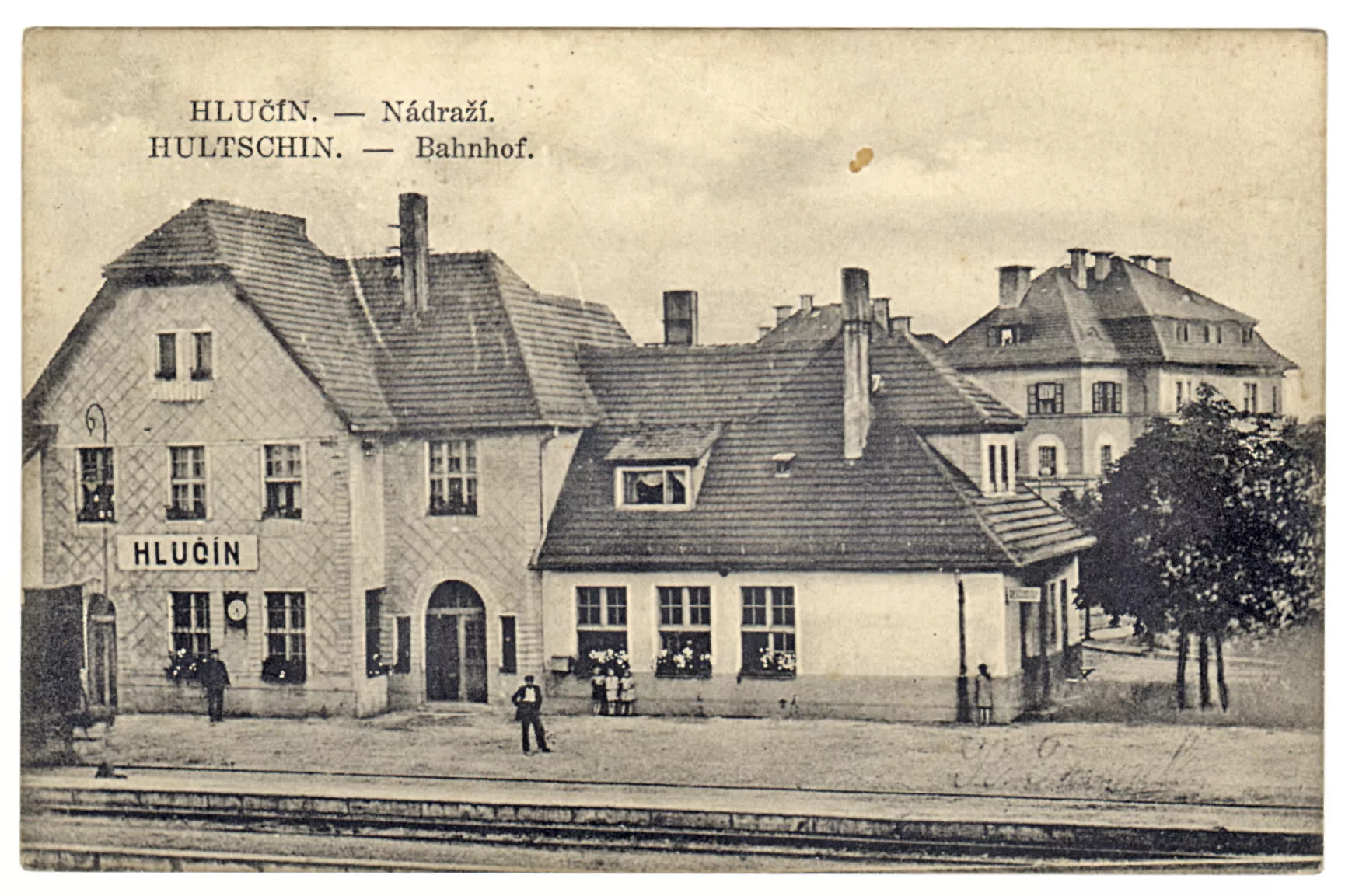
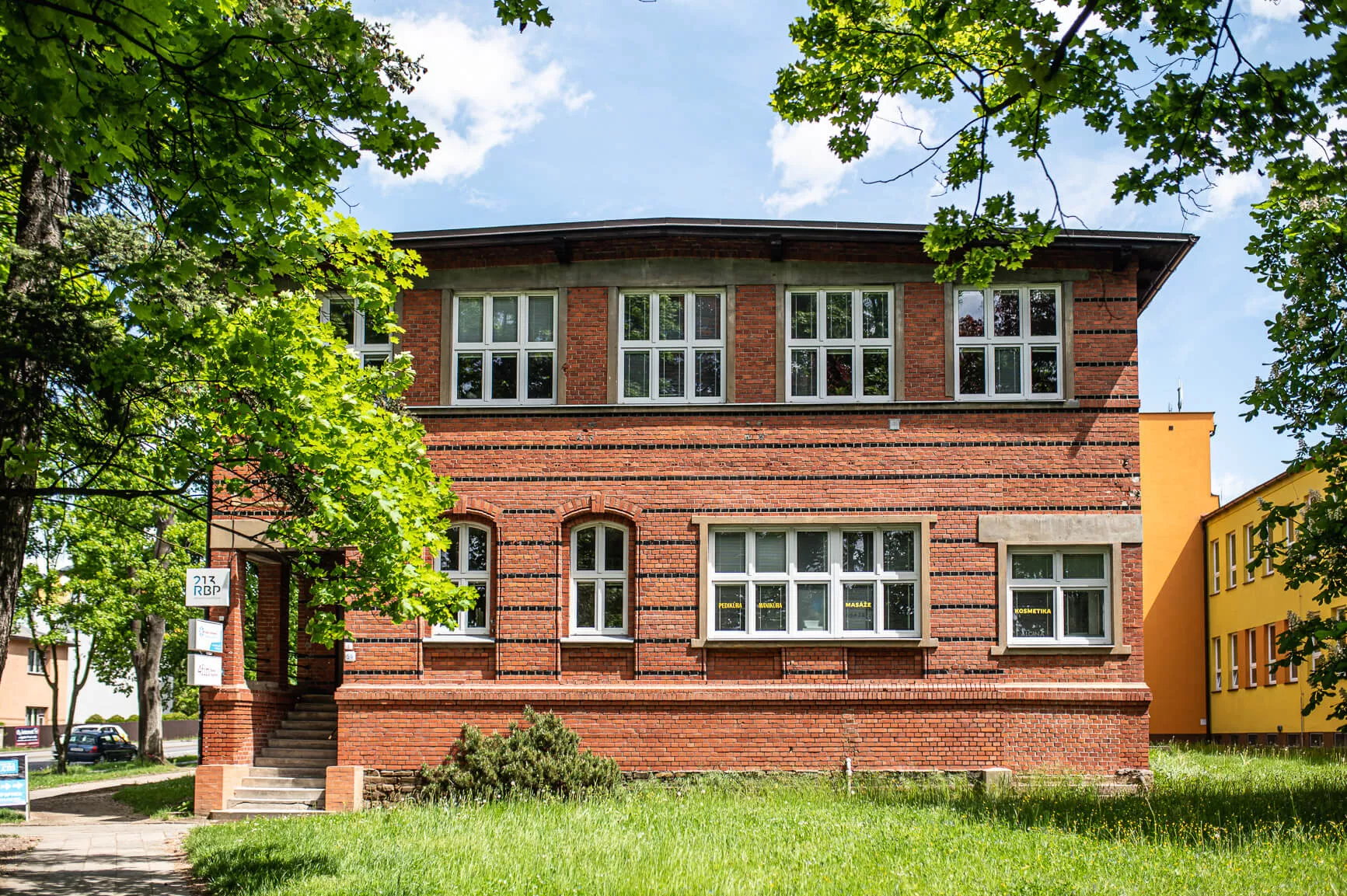
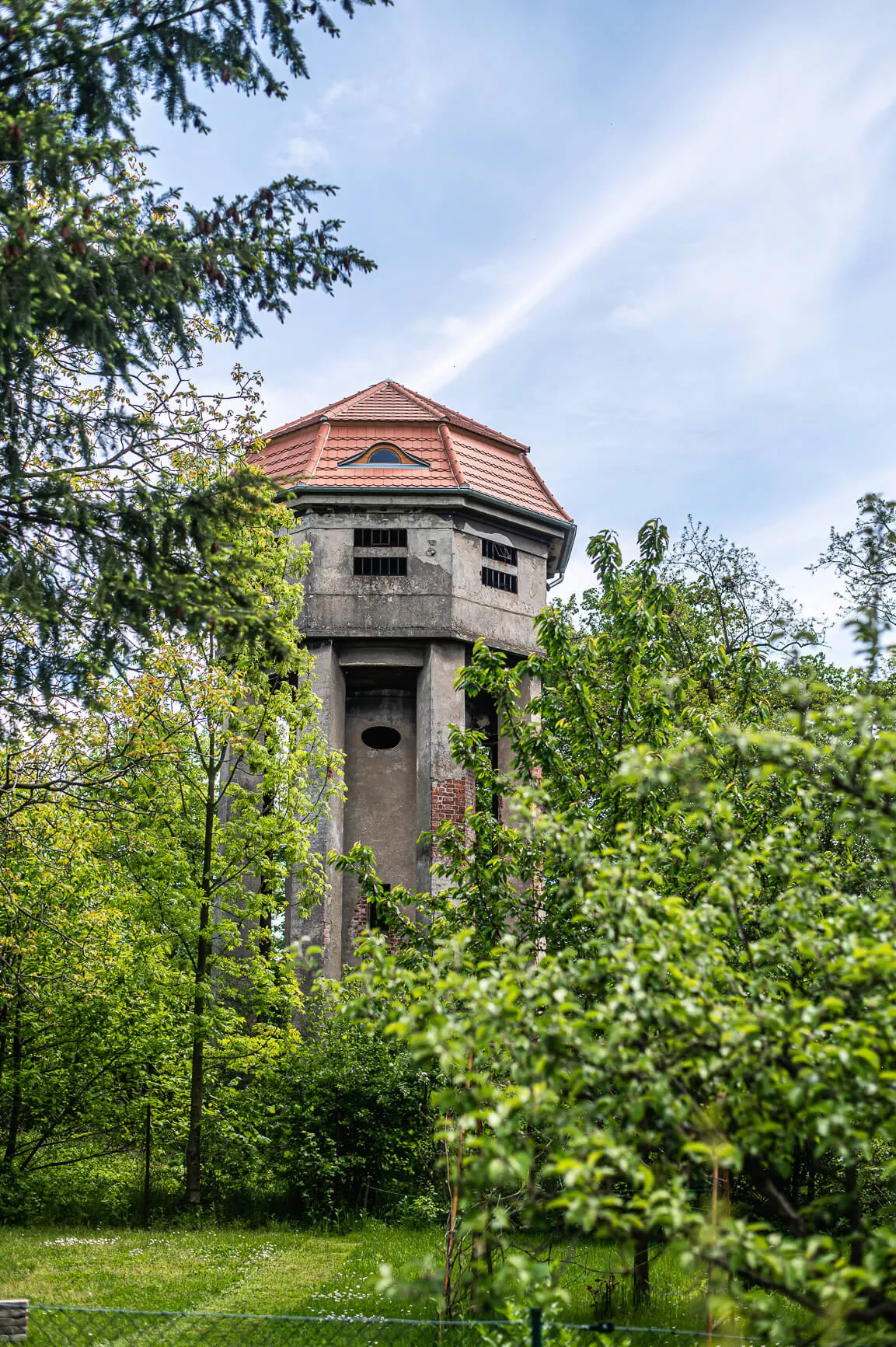
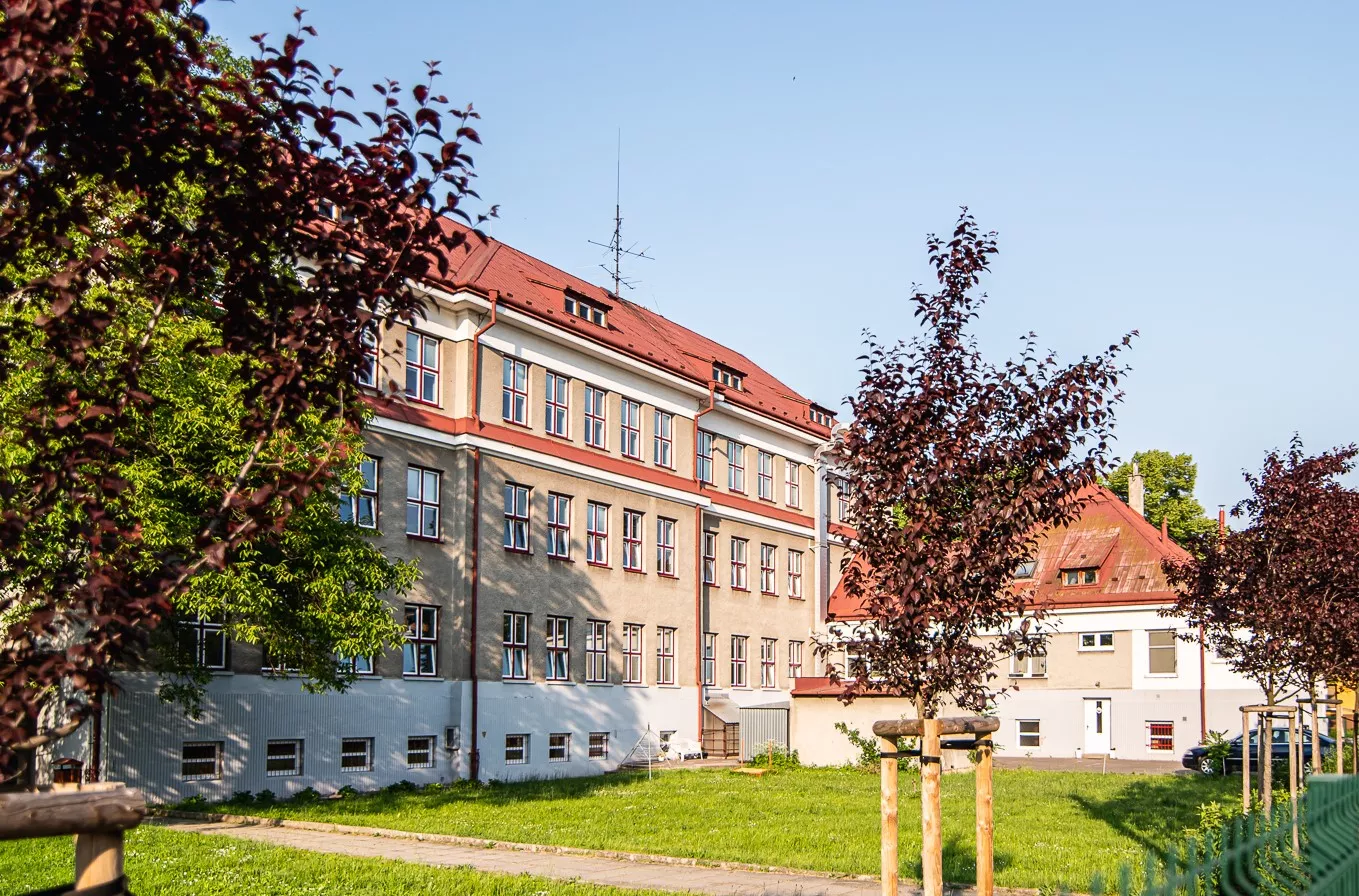
As modernisation progressed in the nineteenth century, Hlučín’s appearance began to change. The original buildings were gradually replaced by new ones, the ring of fortifications was dismantled, and – after the establishment of a local district office – structures for the corresponding infrastructure began to appear.